
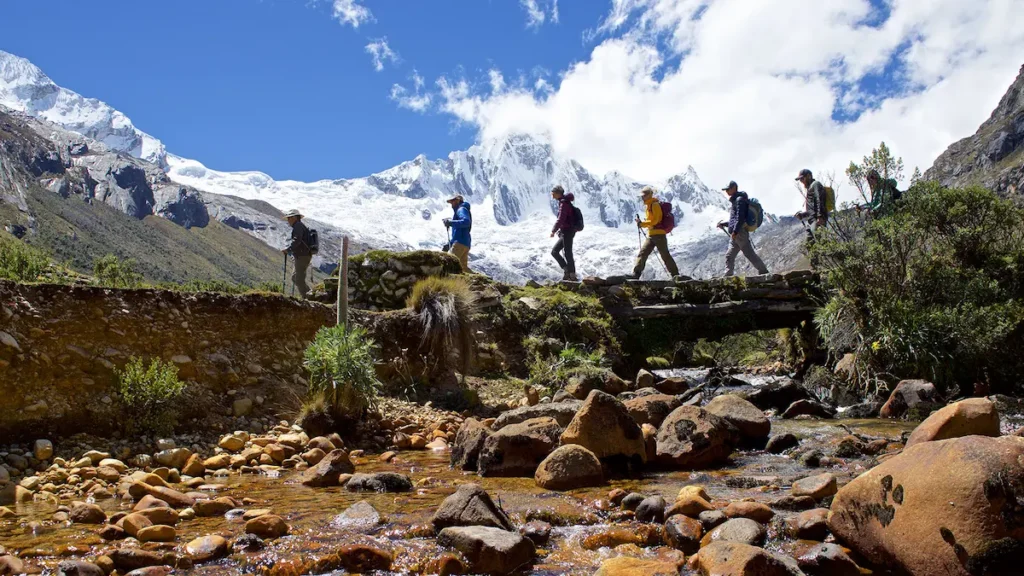
Peru is a country that seduces explorers from all over the world. Its Andean landscapes, mystical history, and majestic geography make it a paradise for hiking enthusiasts. If you’re looking for a unique experience, trekking routes in Peru offer the perfect combination of adventure, culture, and nature.
From the famous Inca trail treks, which lead you along ancient paths to Machu Picchu, to the spectacular Salkantay treks, which take you deep into the wildest corners of the Andes, each route is an invitation to discover an authentic and vibrant Peru.
In this article, you’ll find the best trekking routes in Peru, useful tips for planning your adventure, and recommendations to make the most of every step.
Why choose trekking routes in Peru?
Trekking routes in Peru are world-renowned for their diversity. Here, it’s not just about hiking: every route is a journey into the past, a stroll through living cultures, and a transformative experience.
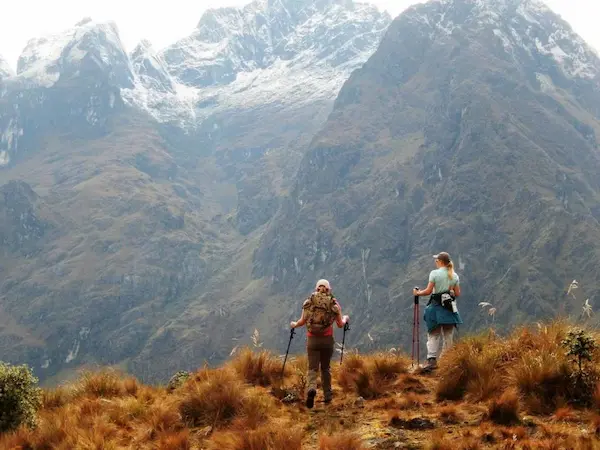
As you walk through Inca trails, snow-capped mountains, and secret valleys, you’ll discover ancient villages, unique flora and fauna, and panoramic views that seem straight out of a postcard. Peru also offers options for all levels, from gentle half-day hikes to multi-day expeditions that challenge both body and mind.
You might be interested: The mita system and Inca labor system
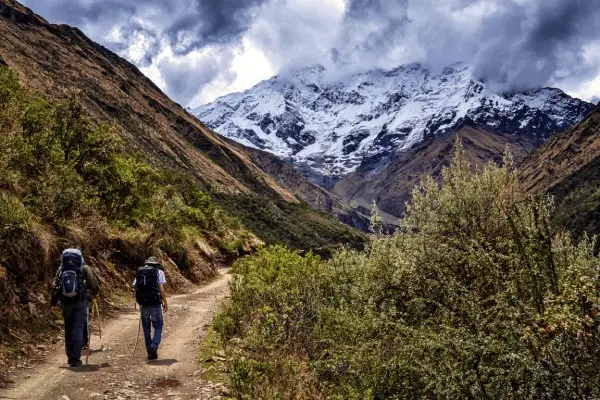
Walking to the lost city
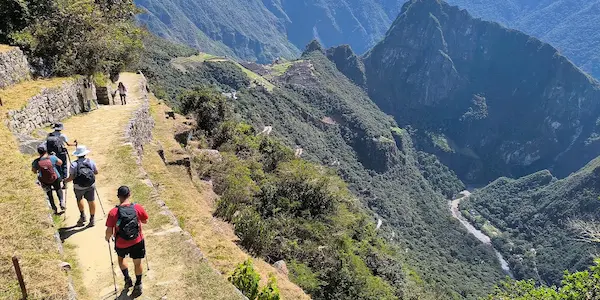
Talking about trekking routes in Peru means, without a doubt, talking about the legendary inca trail treks. This world-famous trail follows the ancient network of paths built by the Incas more than 500 years ago. The classic section lasts 4 days and 3 nights, taking travelers through mountains, cloud forests, and archaeological sites that seem hidden among the vegetation.
The ultimate prize, of course, is the triumphant arrival at Machu Picchu through the Sun Gate, an experience many describe as magical. Space for Inca trail treks is limited, so it’s recommended to book months in advance to secure your spot.
The adventurers’ alternative route
For those seeking less-traveled but equally impressive routes, the salkantay treks are the perfect option. This route was recognized by National Geographic as one of the best hikes in the world, and for good reason: it combines high mountain landscapes, snow-capped passes, turquoise lagoons, and subtropical forests.
The Salkantay snow-capped mountain, at over 6,200 meters high, becomes the imposing guardian of the trail. Unlike the Inca Trail, the Salkantay treks do not require limited permits, providing greater flexibility in organizing your adventure.
Other Trekking Routes in Peru to Explore
While the Inca Trail Treks and Salkantay Treks are the most famous, Peru has many other trekking routes that are worth every step. Some alternatives you might consider are:
- Lares Trek: ideal for those seeking a cultural experience, as it passes through Andean communities where travelers can interact with locals and learn about their customs.
- Choquequirao Trek: for the more adventurous, this trek leads to the Inca citadel of Choquequirao, considered the sacred sister of Machu Picchu. Access is more challenging, but the reward is enormous: imposing ruins with almost no tourists.
- Ausangate Trek: this route surrounds the Ausangate snow-capped mountain, one of the most revered mountains by the Quechua communities. The route offers multicolored landscapes, lagoons, and the famous Rainbow Mountain (Vinicunca).
Each of these trekking routes in Peru has its own unique charm, difficulty level, and duration, so you’ll always find an option that suits your adventurous spirit.
You might be interested: Top 10 Tourist Attractions in Peru You Must Visit
Essential tips for enjoying trekking routes in Peru
Planning your trek well is key to making your experience unforgettable. Here are some practical tips to get the most out of your trekking tours in Peru:
Prepare yourself physically
Many treks in Peru take place at high altitudes. Building your cardiovascular endurance and taking walks in your city beforehand can make a difference.
Acclimatize in advance
If you’re traveling from sea level, it’s best to spend a few days in Cusco or the Sacred Valley before embarking on routes like the Inca trail treks or the Salkantay treks. This will help you adapt to the altitude and avoid altitude sickness.
Equip yourself well
Invest in quality trekking shoes, clothing suitable for variable climates (thermal layers, raincoats), and accessories such as walking sticks, a headlamp, and sunscreen.
Respect the Environment
Trekking routes in Peru cross fragile ecosystems and unique archaeological sites. Don’t leave trash, respect the trails, and follow the guides’ instructions to preserve these places for future generations.
Best Times for Trekking Tours in Peru
Weather is a key factor when planning your adventure. The dry season, between April and October, is preferred for most trekking tours. During these months, you’ll find clear skies and more passable trails. However, it’s also the busiest season, so booking in advance is recommended.
The rainy season runs from November to March. Although some travelers choose these months to enjoy greener landscapes and fewer tourists, they should be prepared for sudden downpours and slippery trails.
Living culture along trekking routes in Peru
One of the great attractions of trekking in Peru is the opportunity to live with Andean communities that preserve ancestral traditions. During your journey, you’ll likely share paths with shepherds, artisans, and children who greet you with a genuine smile.
Many trekking tours include visits to communities, traditional weaving workshops, and tastings of typical dishes. This connection with the local culture transforms each step into a learning experience that goes beyond nature.
Food and accommodation during treks
Most iconic routes, such as the Inca trail treks and the Salkantay treks, include well-organized campsites or stays in mountain lodges. In these places, travelers enjoy fresh food prepared with local ingredients, which provides the necessary energy to continue.
If you decide to organize your trek on your own, it’s essential to inform yourself about the route, supply points, and necessary permits. For long or high-mountain treks, it is always advisable to hire experienced local guides.
Sustainability: The key to preserving trekking routes in Peru
The rise of trekking in Peru brings with it great responsibility. Taking care of the trails, respecting the flora and fauna, and supporting local communities through responsible tourism are essential actions.
Choose operators who work with sustainable practices, hire local guides, and minimize their environmental impact. This way, every step you take on these legendary routes will contribute to their conservation.
A Transformative Experience
Beyond the physical adventure, hiking the trekking routes in Peru is an encounter with oneself. The silence of the mountains, the immensity of the landscapes, and the history whispered by the Inca trails invite reflection and wonder.
Many travelers return home transformed: with a deeper connection with nature, with new friends, and with memories that last forever.
You might be interested: Takanakuy Peru : An Ancient Tradition of Honor and Conflict Resolution
What to pack for trekking routes in Peru?
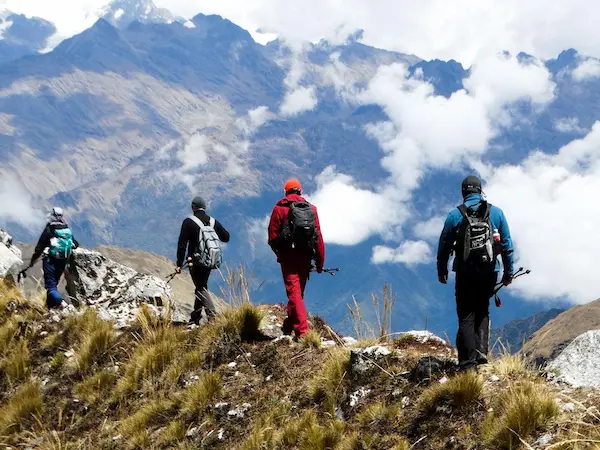
A common question among those planning their trekking tours in Peru is what to pack. Since these are mountain routes where the weather can change suddenly, good backpack planning is key to avoiding setbacks.
- Layered clothing: The best strategy is to dress in layers. Include a long-sleeved shirt, a fleece, a windbreaker, and a waterproof jacket.
- Appropriate footwear: Water-resistant hiking boots with good ankle support.
- Sun protection: A hat, sunglasses, high-protection sunscreen, and lip balm.
- Hydration: A water bottle or water bladder and purification tablets, as many routes use stream water.
- Energy snacks: Nuts, energy bars, and chocolates to quickly replenish energy.
- Trekking poles: Very useful for routes with steep elevation gains, such as the Inca trail treks or the Salkantay treks.
- Headlamp and spare batteries: Especially if you’re hiking in the early morning or camping.
- Basic first-aid kit: Bandages, pain relievers, band-aids, insect repellent, and personal medications.
Traveling light but well-prepared makes all the difference to fully enjoying every step of the trekking routes in Peru.
Unique experiences: photography and wildlife observation
Trekking in Peru isn’t just about hiking; it’s an opportunity to practice landscape and wildlife photography. On routes like Salkantay or Ausangate, you might spot vizcachas, Andean condors, or herds of alpacas and llamas that color the landscape.
If you’re passionate about photography, bring a sturdy camera, spare batteries, and waterproof bags. Waking up early to see the first rays of sunlight illuminating the snow-capped peaks is a spectacle no nature lover should miss.
Trekking routes in Peru for families or beginners
Is it possible to enjoy hiking in Peru with children or inexperienced hikers? Yes! Not all routes require high physical endurance. There are shorter, more accessible options that allow you to embark on an adventure safely.
Routes such as the Sacred Valley, half-day hikes to local communities, or short treks near Cusco are ideal for getting started in the world of trekking. These tours combine living history, photogenic landscapes, and the warmth of the locals.
If you’re up for more, you can take on iconic routes such as the Inca trail treks or the Salkantay treks, planning stops along the way and enlisting the support of expert guides.
How to support local communities on your trekking tours
By choosing responsible operators, you are directly contributing to the economy of Andean communities. Many trekking tours hire porters, cooks, guides, and local artisans.
You can do your part by purchasing local handicrafts, consuming regional products, or participating in community activities. This way, your trip will leave a positive and authentic mark on those who inhabit these impressive landscapes.
Close your adventure with a well-deserved rest
After intense days of hiking, many travelers choose to relax in natural hot springs. Places like Aguas Calientes, Santa Teresa, or the Lares hot springs offer thermal baths surrounded by mountains and Andean forest.
It’s the perfect finishing touch to an unforgettable experience on Peru’s trekking routes, revitalizing body and mind before returning home.
You might be interested: Luxury Travel in Peru with an Ancestral Soul
A trip that leaves its mark
Choosing Peru as a trekking destination means choosing a transformative trip, combining history, nature, culture, and the courage to overcome challenges step by step.
So plan your route, prepare well, and experience the Inca trail treks, dare to take on the challenging Salkantay treks, or discover new options among the trekking tours available for every type of traveler.
Remember, every Andean trail holds a story waiting to be told with every step you take.
Start planning your next trek
If you dream of discovering unique landscapes and experiencing the magic of Inca history, don’t hesitate: choose from the best Inca trail treks, dare to take on the challenging Salkantay treks, or explore new routes with incredible trekking tours in the Andes Mountains.
Peru awaits you with its open doors and trails that will connect you with something much greater than yourself: history, nature, and the warmth of its people.
