
Travel to Puno and uncover the cultural heartbeat of the Andes. From the mystical floating islands of the Uros on Lake Titicaca to the lively traditions of its highland communities, this enchanting city offers a unique blend of nature, history, and local life. Whether you’re seeking authentic experiences or awe-inspiring views, Puno promises an unforgettable journey through the soul of southern Peru.
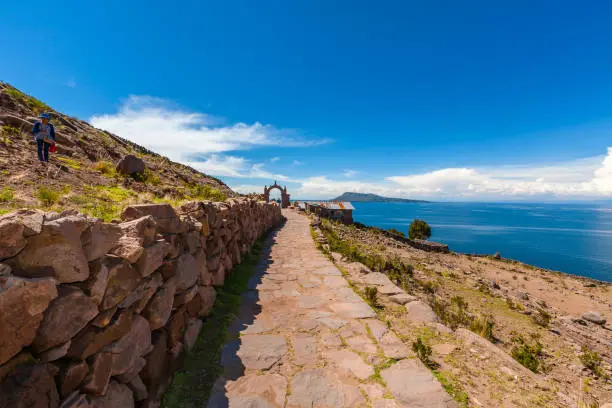
If you’re planning your travel to Puno, this guide is exactly what you need. Nestled on the shores of Lake Titicaca, Puno is one of Peru’s most fascinating destinations, rich in history, tradition, and natural beauty. Whether you’re interested in discovering ancient civilisations, visiting the famous floating Uros Islands, or immersing yourself in local culture and festivals, we’ve gathered all the essential information to help you plan an unforgettable trip. From how to get there and what to pack, to the best things to see and do, this guide will make your travel to Puno smooth, exciting, and truly memorable.
Puno, often referred to as the Folkloric Capital of Peru, is a city that beautifully blends history, culture, and stunning natural scenery. Set on the shores of Lake Titicaca the world’s highest navigable lake this highland destination offers a fascinating glimpse into Peru’s ancestral past. Long before the Inca Empire emerged, the region was inhabited by ancient civilisations such as the Pukará and Tiahuanaco, known for their remarkable monolithic structures and sacred sites.
During the colonial era, Puno became a significant hub for Spanish settlers, thanks to the silver mines in Laikakota. This period saw the rise of colonial architecture, with iconic landmarks like Puno’s Cathedral and the ornate balconies that still grace the city centre.
Founded on 4 November 1668 by Viceroy Pedro Antonio Fernández de Castro, the city quickly gained importance as a vital trade link between the Andes and the coast. Today, it remains a vibrant cultural centre, famous for its traditional festivities such as the Fiesta de la Virgen de la Candelaria, as well as attractions like the Floating Uros Islands and the archaeological site of Sillustani.
If you’re drawn to vibrant traditions, breathtaking landscapes, and genuine cultural encounters, travel to Puno and discover a side of Peru that’s as authentic as it is unforgettable.
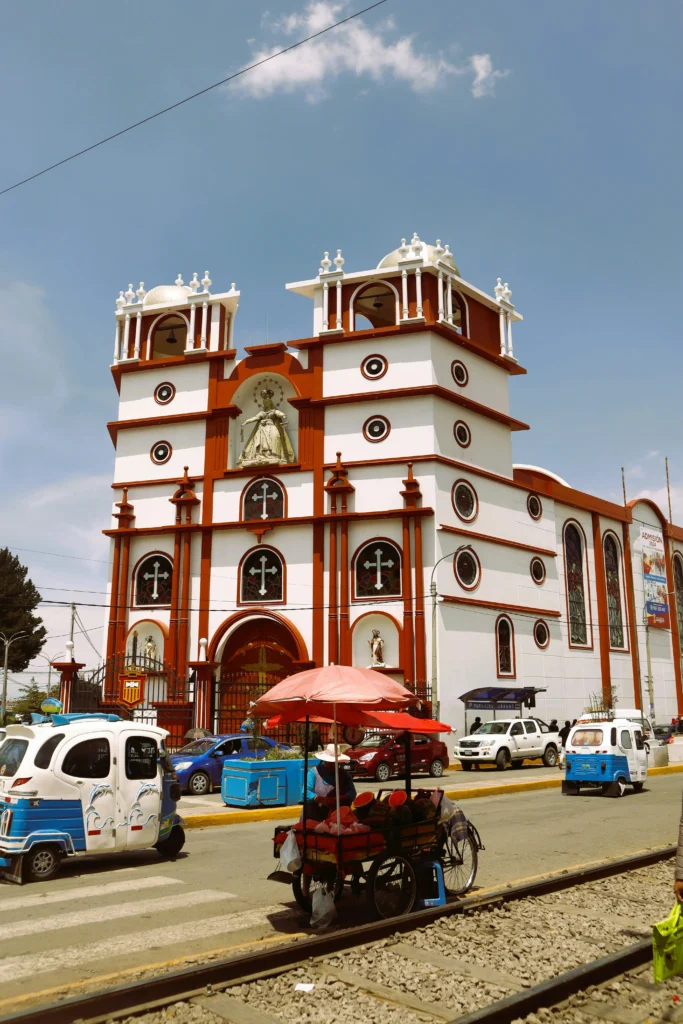
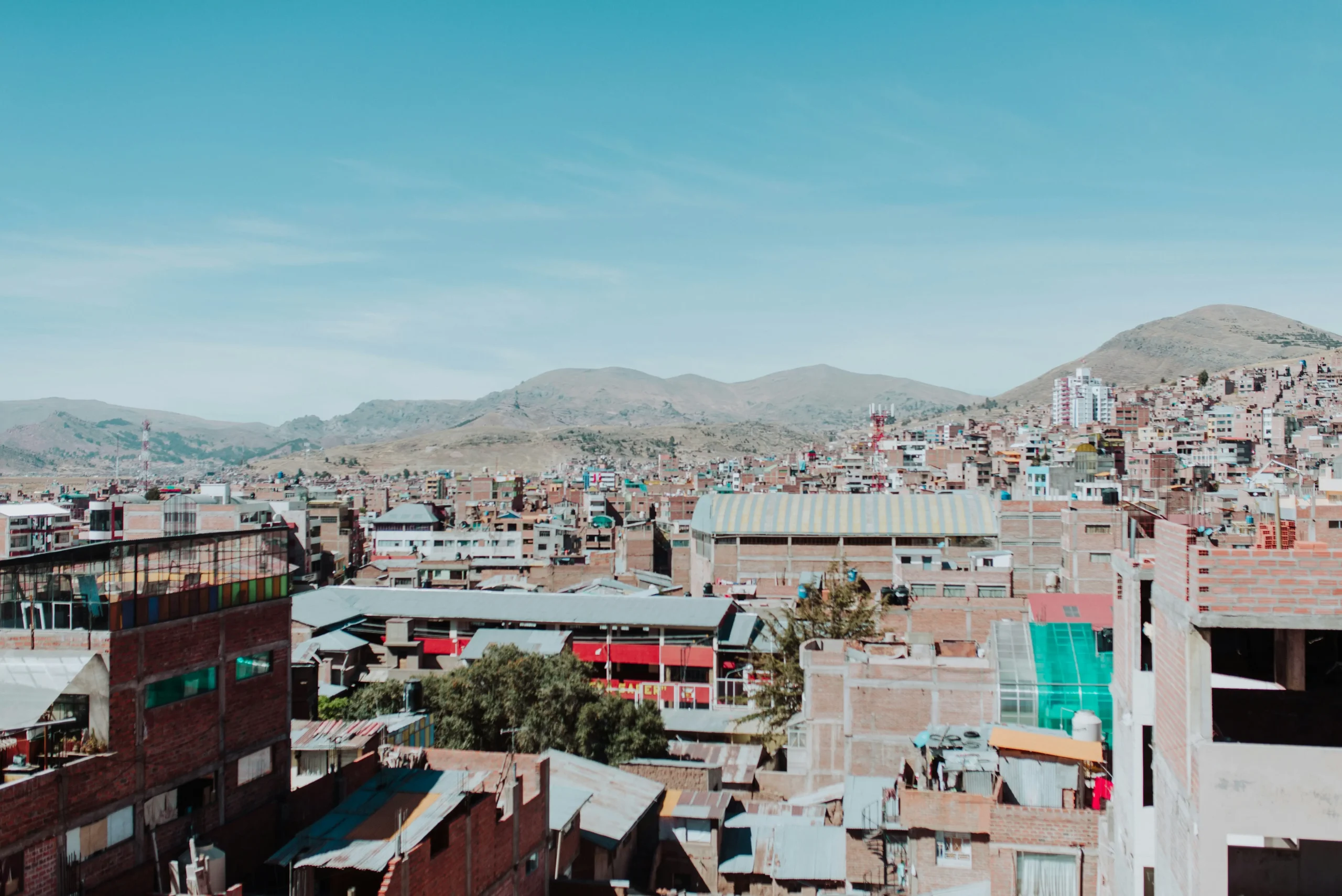
Puno is located in southeastern Peru, on the shores of Lake Titicaca, at an altitude of 3,827 meters (12,555 feet) above sea level. If you plan to travel to Puno, you’ll find yourself in a city famous for its indigenous heritage, traditional festivals, and breathtaking high-altitude landscapes.
As the folklore capital of Peru, Puno is home to colorful celebrations, including the famous Virgen de la Candelaria festival. Its unique location also makes it the main gateway to Lake Titicaca’s floating islands, inhabited by the Uros, Taquile, and Amantani communities.
Whether you’re interested in cultural immersion, scenic boat rides, or high-altitude exploration, Puno offers a one-of-a-kind Andean experience.
Getting to Puno is relatively easy, with several transport options from major cities in Peru and Bolivia.
The best way to get to Puno depends on your schedule—buses are budget-friendly, flights are faster, and trains offer a luxury experience.
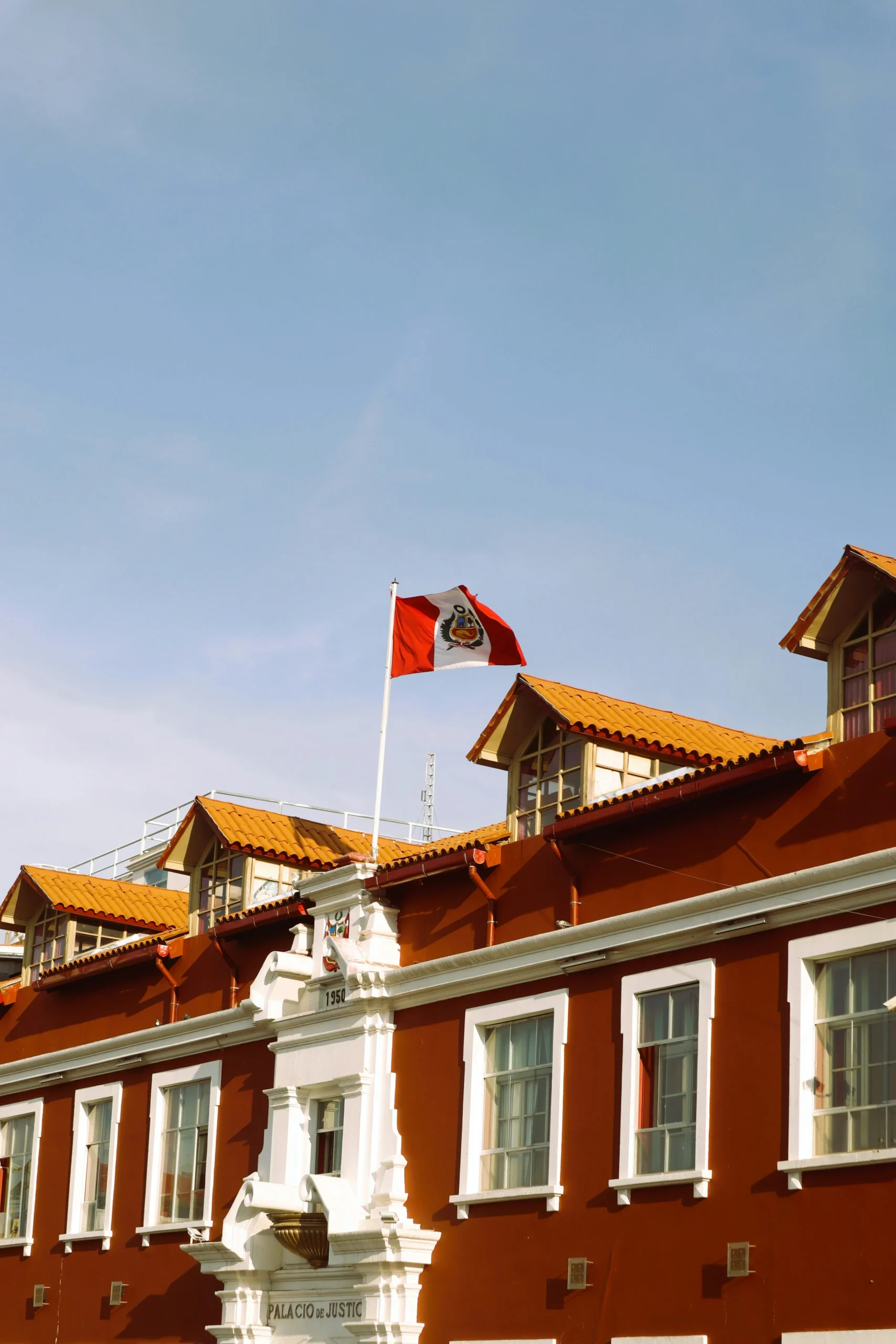
From ancient archaeological sites to serene lake views, travel to Puno opens the door to some of Peru’s most fascinating cultural and natural wonders. Whether you’re wandering through centuries-old ruins or visiting communities that preserve pre-Inca traditions, Puno offers an immersive journey through Andean history and identity.
Embark on a journey beyond the ordinary as you travel to Puno, where the rhythm of traditional life, the beauty of Lake Titicaca, and centuries of rich culture await. Our local guides will help you uncover the stories, sights and sounds that make this Andean gem truly unforgettable , because Peru isn’t just a place to see, it’s a place to feel.
From ancient civilisations to breathtaking Andean landscapes, travel to Puno and uncover a destination where culture, tradition, and nature come together beautifully. Whether you’re exploring Lake Titicaca or taking part in vibrant local festivals, every journey here is a step into Peru’s rich heritage.
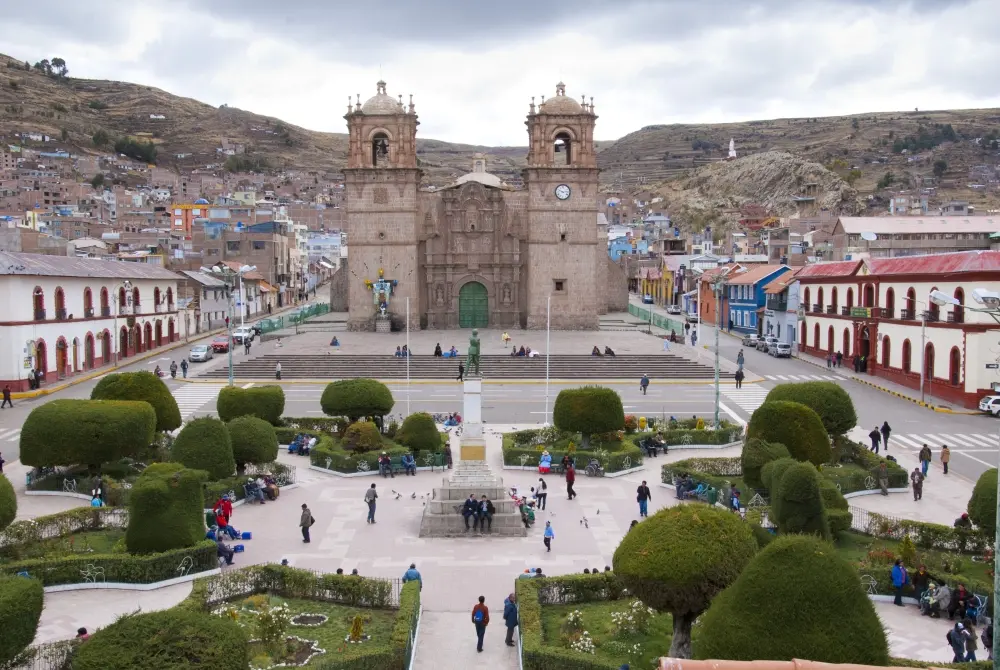
Visit colonial churches and the legendary balcony of the Count of Lemos.
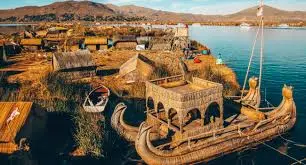
Discover the unique lifestyle of the Uros people on islands made of totora reeds.
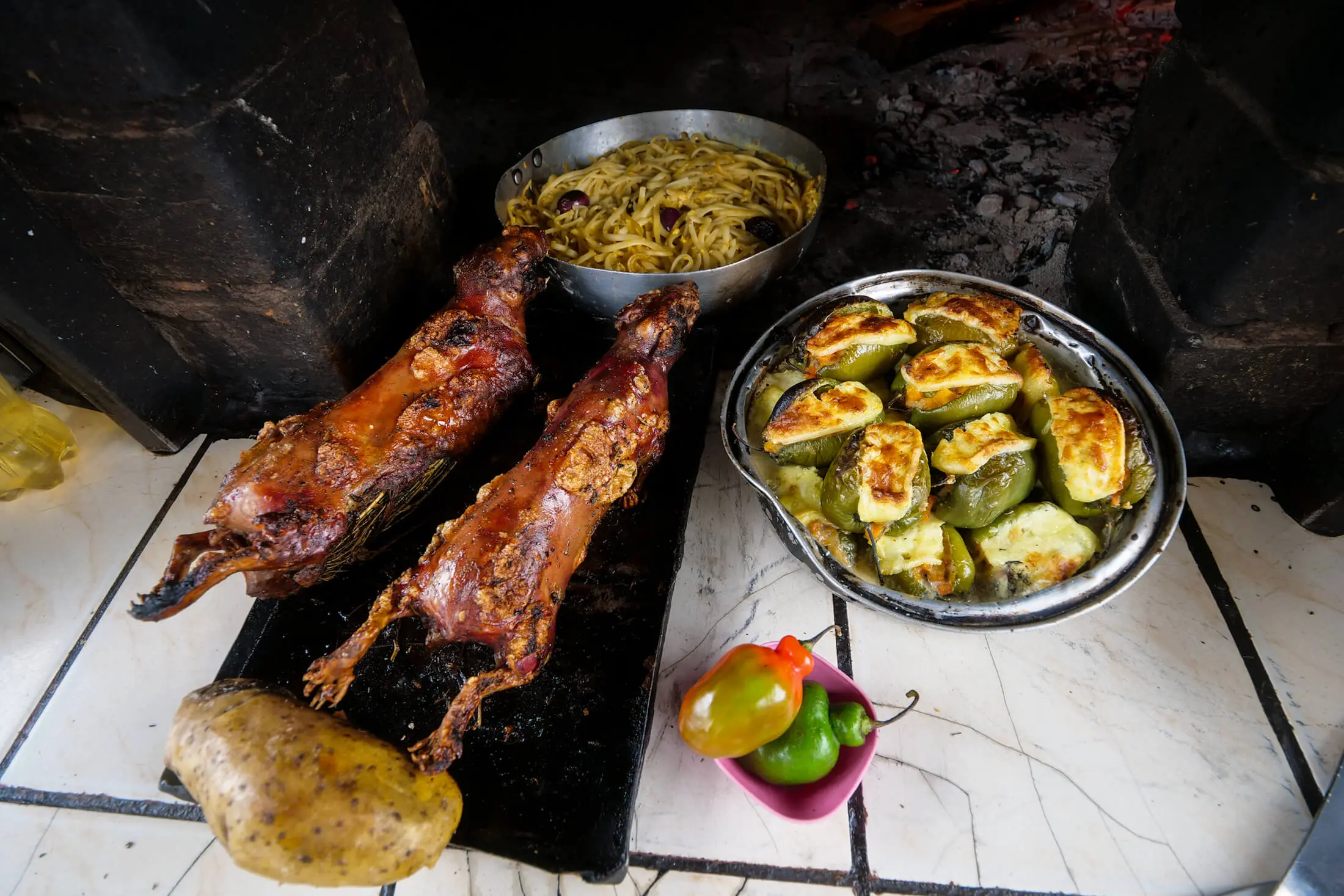
Taste local delicacies like trucha (trout) and quinua-based dishes.
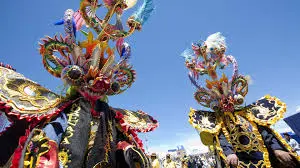
Celebrate Peru’s most vibrant folkloric festival with music and dance.
When you travel to Puno, you’ll find a wide range of accommodation options to suit every traveller’s style and budget. From charming lakefront hotels with stunning views of Lake Titicaca to affordable guesthouses nestled in the historic centre, there’s something for everyone.


Now that you’ve explored what it’s like to travel to Puno, you might still have a few questions. To help you prepare for your journey, we’ve gathered some of the most common queries travellers have before visiting this unique Andean city.
You can travel to Puno by bus from Cusco, Arequipa, or La Paz, by train from Cusco, or by flying to Juliaca (JUL) and taking a one-hour transfer.
Yes, Puno is generally safe, but as in any tourist destination, keep an eye on your belongings in markets and crowded areas.
The dry season (May–October) offers the best conditions for visiting Lake Titicaca and nearby attractions.
Yes, as Puno sits at 3,827 meters (12,555 feet). Drink coca tea, stay hydrated, and avoid strenuous activity upon arrival.
No, bottled or filtered water is recommended to avoid health issues.