

Takanakuy Peru is one of the most unique and misunderstood cultural events in the Andes. Held annually on December 25th in Chumbivilcas, Cusco, this ritual involves community members engaging in controlled physical combat to settle disputes, release tensions, and start the new year in peace. Far from being a mere spectacle of violence, Takanakuy embodies ancient notions of justice, reconciliation, and communal healing. For travelers and culture lovers alike, understanding Takanakuy offers a powerful lens into Andean traditions and values.
What Is Takanakuy Peru?
Takanakuy Peru is a unique and deeply rooted tradition celebrated in the highlands of the Cusco region, particularly in the province of Chumbivilcas. The term “Takanakuy” comes from the Quechua language and roughly translates to “when the blood is boiling” or “to hit each other.” Unlike any other holiday, it’s a festival that revolves around ritual combat, where community members fight to resolve grievances, restore social harmony, and begin the new year with a clean slate.
Held each year on December 25th, Takanakuy Peru challenges Western concepts of peace and celebration, offering a fascinating look into indigenous conflict resolution and communal values. This ritual fight is not about aggression ,it’s about honor, reconciliation, and maintaining social cohesion in rural Andean communities.
You may also be interested in: Peru Travel Tips for a Safe Trip
Origins and History of Takanakuy
The origins of Takanakuy Peru can be traced back to pre-Columbian times. It’s believed to have evolved from ancestral practices used by indigenous groups to handle interpersonal disputes and establish justice without the need for external authority. Over time, it merged with Catholic traditions brought by Spanish colonizers, eventually becoming a syncretic celebration held on Christmas Day.
Takanakuy gained wider visibility in the early 2000s thanks to viral videos and increasing interest from anthropologists, journalists, and curious travelers. Today, it remains a proud expression of cultural identity for the people of Chumbivilcas and nearby communities.
Where and When Takanakuy Is Celebrated
Takanakuy Peru takes place mainly in Chumbivilcas, although variations of the ritual can be found in other parts of the Andes. The central event occurs on December 25th, but celebrations often begin days before with music, food, dance, and parades.
Travelers who wish to experience Takanakuy Peru should plan to arrive early and respect local customs. The festival is not a tourist spectacle but a sacred and functional part of Andean life.
You may also be interested in: Luxury Travel in Peru with an Ancestral Soul
Symbolism and Cultural Significance
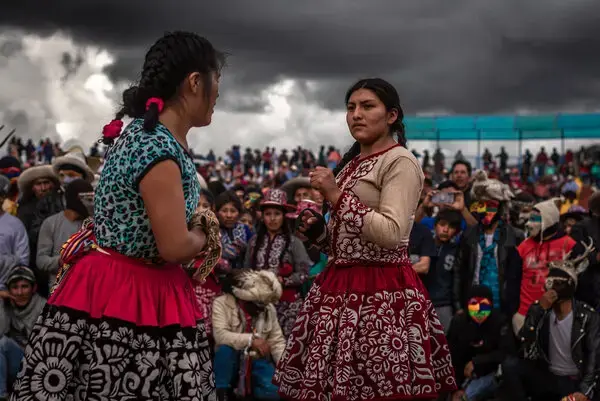
At first glance, Takanakuy may seem like a violent and chaotic event. However, its purpose is symbolic and restorative. Participants, who can be men, women, or even children, fight one on one in front of the entire community. Before each fight, they hug and announce their dispute; after the match, they shake hands or embrace again as a sign of reconciliation.
The fight serves as a public and cathartic release of tension. It’s believed that resolving conflict in this way prevents grudges from lingering and ensures that communal bonds remain strong. Takanakuy Peru teaches that even confrontation can be respectful and healing when framed by cultural values.
Is Takanakuy Peru Violent or Peaceful?
While physical, Takanakuy Peru is far from a brawl. There are rules, no weapons, no continued assault once an opponent is down, and the presence of community referees who stop fights if necessary. Injuries can happen, but they’re usually minor.
What’s more important is the intent. The event is structured, respected, and followed by acts of unity. It might look violent to outsiders, but for locals, it’s a demonstration of strength, justice, and peace through direct confrontation.
How Takanakuy Peru Is Perceived by Locals and Tourists
For the people of Chumbivilcas, Takanakuy is a source of pride and a crucial part of their identity. It shows their commitment to fairness and transparency within the community. Conflicts aren’t buried or ignored , they’re addressed head-on, with courage and public accountability.
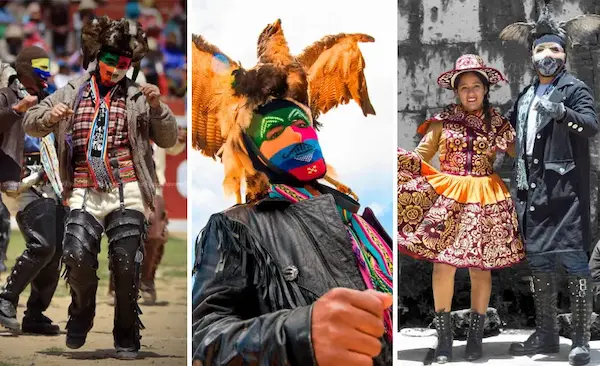
Tourists who attend are often surprised by the joy and energy surrounding the event. Traditional music, known as huaylia, fills the air, and many participants wear colorful costumes and masks. Still, visitors are reminded to observe respectfully and understand that they are guests at a sacred tradition.
You may also be interested in: Peruvian history Unveiled: exploring routes with Inca heritage

How to Attend Takanakuy Peru: Tips for Travelers
We will show you some tips for going to Takanakuy in Peru so you can have a peaceful trip and a unique experience.
- Plan ahead: Accommodations are limited in Chumbivilcas, so book early.
- Respect the ritual: Do not interrupt or mock participants. Photography is often allowed, but always ask first.
- Learn the context: Understanding the cultural background of Takanakuy Peru will enhance your experience.
- Dress appropriately: The highlands can be cold in December , pack warm layers.
- Consider a local guide: Someone from the region can provide valuable insights and ensure you navigate respectfully.
Conclusion
Takanakuy Peru is more than a fight ,it’s a profound cultural expression that blends ritual, justice, and celebration. In a world where conflict is often hidden or denied, this ancient tradition offers a bold and honest alternative: face it, resolve it, and move forward together.
Whether you’re a cultural traveler, anthropologist, or simply curious about the world’s most unique traditions, witnessing Takanakuy Peru is an unforgettable experience. Would you dare to stand among the crowd and feel the power of reconciliation through ritual combat?
