
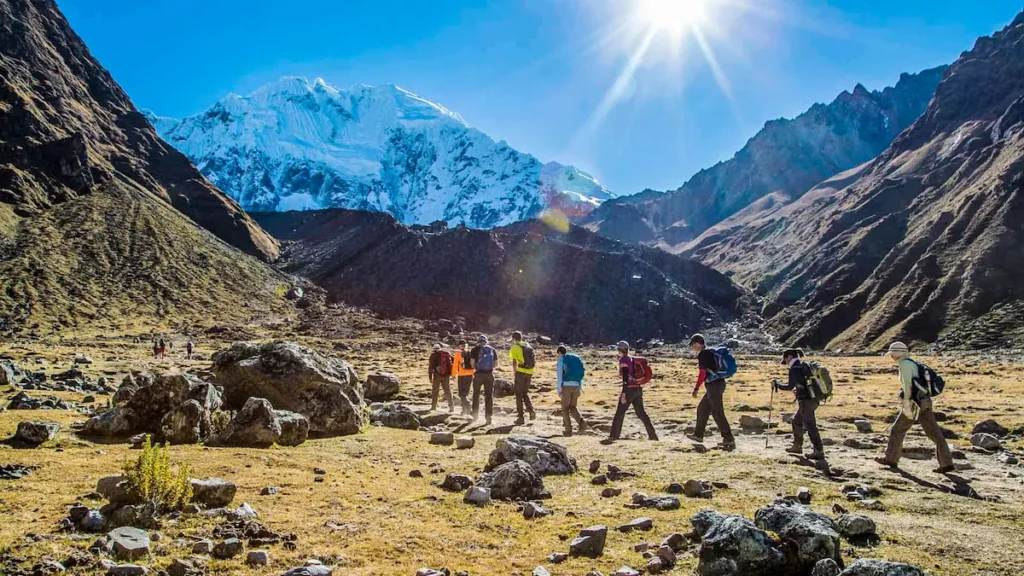
Talking about the peruvian history is like opening an ancient book written in stone, jungle, and Andean peaks. This South American country is a testament to ancient civilizations, from the Nazca lines to the Inca fortresses hidden among the mountains. Every place in Peru holds a fragment of a story that deserves to be discovered step by step.
On this journey through the traces of its past, we will not only explore the most relevant moments in its evolution as a nation, but also the most authentic way to experience its history through experiences that connect travelers with their ancestral past.
The First Civilizations: Where It All Began
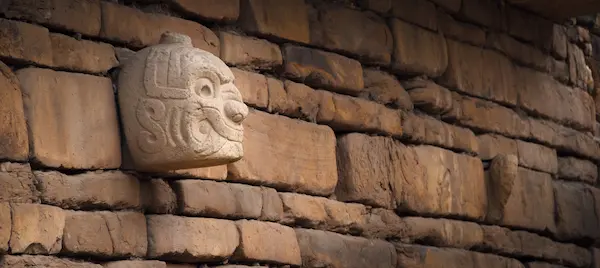
Before the Incas consolidated one of the largest empires in the Americas, there were already cultures that shaped the course of pre-Columbian Peru. Among them are the Caral culture, considered the oldest civilization in the Americas, and the Chavín culture, famous for its architecture and symbolic art.
These cultures were pioneers in organizing complex societies, mastering agriculture, and building impressive temples. Visiting places like the Sacred City of Caral is like immersing yourself in the dawn of a civilization that developed without contact with other great cultures of the world.
You may also like: Peru Travel Tips for a Safe Trip
Living Culture in Local Communities
One of Peru’s greatest cultural treasures is not found in history books, but in its people. The communities that inhabit the Andes preserve many of the practices, languages, and values of their ancestors. The use of Quechua, traditional weaving, offerings to Pachamama (Mother Earth), and festivities such as Inti Raymi or Qoyllur Rit’i are part of the daily lives of thousands of Peruvians.
By hiking trails such as the Salkantay or the Inca Trail, many travelers have the opportunity to live with these communities, share a meal, learn about textile techniques, or hear stories passed down orally from generation to generation. This exchange not only enriches the trip but also contributes to the sustainable development of these communities.
Working with a Peru Tour Operator specializing in cultural and community tours ensures that the experience is respectful, authentic, and enriching. Furthermore, many of these operators collaborate directly with the communities, promoting responsible tourism and generating local income.
The Height of the Inca Empire
Without a doubt, one of the most impressive chapters in Peruvian history is the rise of the Inca Empire. Founded in Cusco, this empire stretched from Colombia to Chile, encompassing multiple ethnic groups and territories. Its architectural, agricultural, and astronomical legacy continues to amaze historians and scientists alike.
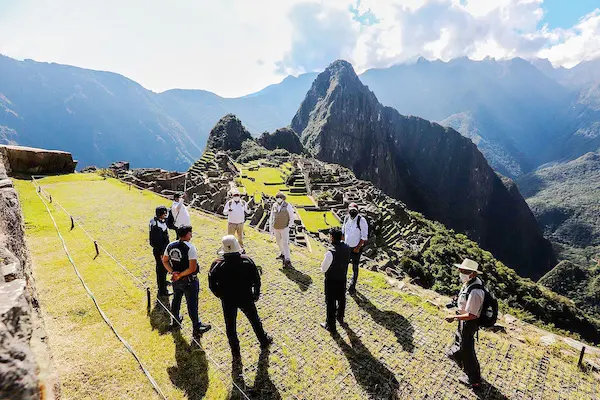
Machu Picchu is the ultimate symbol of that grandeur. But beyond the famous citadel, there are routes and trails that allow us to experience how the Incas lived, how they traveled, and how they interacted with nature and the gods.
An unforgettable way to relive that past is through the Salkantay Trek 4 days. This alternative route to the Inca Trail allows travelers to cross snow-capped mountains, jungles, and ancient paths built by the Incas themselves, all while discovering spectacular landscapes and hidden archaeological remains. It is an experience that not only connects with nature, but also immerses us in the Andean worldview.
You may also like: Top 5 Inca trail tours to surprise your mom this Mother’s Day
The Encounter of Two Worlds: The Spanish Conquest
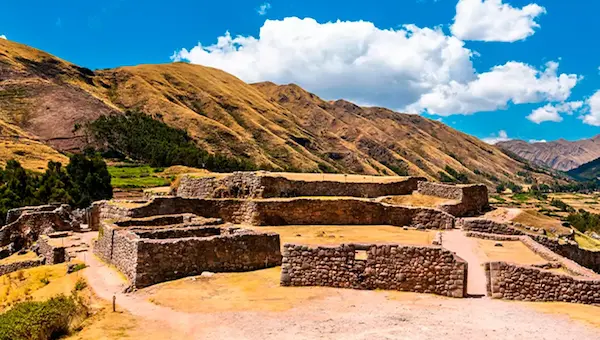
The arrival of the Spanish conquistadors in the 16th century marked a turning point in the peruvian history. Francisco Pizarro and his troops managed to capture the Inca Atahualpa, beginning a colonization that would profoundly transform the political, religious, and social structure of the empire.
The traces of this era are reflected today in cities like Cusco and Lima, where colonial architecture coexists with Inca foundations. Churches built on ancient temples and streets that still preserve Inca architecture are silent witnesses to this dramatic change of era.
Viceregal Peru and Independence
For almost three centuries, Peru was one of the main centers of Spanish viceregal power in South America. During this time, institutions were consolidated, Baroque arts were promoted, and cultures blended irreversibly.
The 19th century brought with it the winds of freedom. Inspired by other struggles on the continent, Peruvians began their journey toward independence, finally achieved in 1821. Since then, Peru has undergone processes of nation-building, reforms, and modern challenges, without losing its strong connection to the past.
You may also like: Top 3 Peruvian legends that still haunt the Andes and the Amazon
Reliving History Firsthand
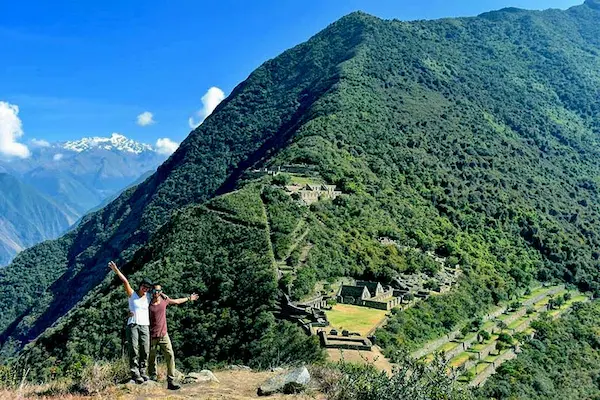
One of the best ways to learn about peruvian history is to step outside the box and experience the country through its landscapes, its people, and its ancient paths. Today, there are tourist options that go beyond the traditional route. Some even combine adventure with history in a unique way.
For example, the short Inca trail with camping is ideal for those who want to experience the Inca experience without embarking on longer routes. This option allows you to hike original sections of the Inca Trail, camp in the heart of nature, and finally reach Machu Picchu, all in a more compact but equally enriching format.
These types of routes are not just excursions: they are authentic historical journeys that allow travelers to experience what it was once like to walk the sacred paths of Tahuantinsuyu.
The Role of the Tour Operator in an Authentic Experience
Now more than ever, having a good Peru tour operator makes the difference between a superficial trip and a transformative experience. A local operator with deep knowledge of peruvian history, culture, and geography can offer personalized routes, valuable information, and the respect each site deserves.
It’s not just about seeing monuments or taking photos, but about understanding what they represent. It’s about knowing that every stone has a story, every path a purpose, and every ancestral ceremony a spiritual connection to the land.
You may also like: Traditional Food in Peru: A Culinary Journey Through Its Ancestral Flavors
The cultural legacy that lives on in the communities
Peru is not just ancient history. It is a country where the past connects with the present in every patron saint festival, in every traditional dance, and in every dish of typical food. The Andean, Amazonian, and coastal communities preserve indigenous languages, ancient knowledge, and ways of life that have stood the test of time.
Visiting these communities, sharing with them, and learning about their customs is a way to continue exploring peruvian history from a living and authentic perspective. Some tourist routes include visits to remote villages where you can participate in traditional activities such as Andean agriculture, artisanal textile making, or offerings to Pachamama.
History continues to be written
The Peru of today continues to build its history. It is a country in constant transformation, facing challenges such as the protection of its heritage, the inclusion of its indigenous peoples, and the sustainable development of its tourism industry. But it is also a country proud of its roots, looking to the future without forgetting where it comes from. Those who travel through its lands not only become witnesses to its history, but also a part of it. Because every step taken along its ancient paths, every story heard, and every corner respected helps keep alive the legacy of an extraordinary country.
Lesser-known routes with great historical value
Peru preserves a network of ancient trails that remain almost intact today. These paths not only served as transportation routes but also served ritual, commercial, and strategic functions within the vast Inca Empire. Exploring these alternatives allows travelers to connect with remote landscapes, far from mass tourism, and discover stories not always found in books.
One such tour is the Huchuy Qosqo trek, a short but deeply meaningful hike that links the Sacred Valley with the archaeological complex of Huchuy Qosqo, whose name means “Little Cusco.” This site, built on a plateau with panoramic views, is a true testament to Inca architectural ingenuity and an ideal place to reflect on their legacy amidst absolute tranquility. Hiking this trail is literally walking through history.
There are also options designed for those who wish to delve deeper into Inca culture and symbolism, such as the Inca Trail, which offer different variations and levels of difficulty, adapting to both adventurous travelers and those seeking more contemplative experiences.
Even the most challenging trails that cross the Andes, such as the Ausangate treks, allow travelers to approach Andean spirituality through sacred lagoons, colorful mountains, and villages where ancestral rites are preserved. With each step, travelers not only conquer landscapes but also relive a living peruvian history that continues to flow in every stone, every song, and every legend.
You may also like: Top 5 places to visit in Lima: Discover the peruvian capital
Walk through history, experience Peru
Exploring the peruvian history is not simply about learning dates or admiring ruins. It’s immersing yourself in an ancient narrative that continues to resonate in its mountains, its temples, and its villages. Whether hiking through the snow on the 4-day Salkantay Trek, camping under the stars on the short Inca Trail with camping, or trusting a Peru Tour Operator who knows how to guide you with respect and knowledge, every experience in Peru is a gateway to its fascinating past. Dare to discover it, because history is not only read, but also walked, breathed, and lived.
