
Classic Peruvian dishes are much more than traditional recipes, as they reflect the country’s history, cultural diversity, and regional identity through flavour. From fresh seafood along the Pacific coast to comforting meals from the Andes, Peruvian cuisine offers travellers the opportunity to discover Peru in a more authentic and meaningful way. Every dish carries influences from Indigenous traditions as well as Spanish, African, Chinese, and Japanese communities that helped shape the country’s gastronomy over centuries.
For many visitors, food quickly becomes one of the highlights of travelling through Peru. Trying local dishes in markets, family run restaurants, or traditional neighbourhoods allows travellers to connect with local culture beyond famous landmarks and tourist attractions. Whether tasting ceviche in Lima or enjoying pachamanca in the Andes, Peruvian cuisine creates experiences that remain memorable long after the journey ends.
You might also be interested in: 5 Best Peru tour companies: complete ranking and travel guide for 2026
Why Peruvian food has become famous around the world?
Peruvian cuisine has gained international recognition not only because of its flavours, but also because of the cultural story behind every meal. Travellers visiting Peru often discover that food is deeply connected to the country’s identity, traditions, and landscapes. From coastal seafood recipes to comforting Andean dishes, each region offers something different, creating a culinary experience that feels both diverse and authentic.
Many visitors arrive in Peru curious about the country’s gastronomy after hearing about its award winning restaurants or famous chefs. However, what truly leaves a lasting impression is the opportunity to taste classic Peruvian dishes in local markets, family run restaurants, and traditional neighbourhoods. Food becomes part of the journey itself, allowing travellers to connect with Peru beyond its landscapes and historical sites.
The cultural influences behind traditional Peruvian cuisine
Traditional Peruvian cuisine reflects centuries of cultural exchange. Indigenous communities laid the foundations of Peruvian cooking long before the arrival of the Spanish, using native ingredients such as potatoes, maize, quinoa, and chilli peppers. Over time, Spanish, African, Chinese, and Japanese influences also became part of the country’s gastronomy, creating flavours and techniques that continue to shape modern Peruvian food today.
This blend of cultures is one of the reasons why classic Peruvian dishes feel so unique. Meals such as lomo saltado or ceviche are not simply popular recipes, but examples of how different traditions came together naturally through history. In many parts of Peru, food still preserves family customs and regional identities, making every dish feel connected to the people and places behind it.
Why food is an essential part of traveling through Peru
For many travellers, exploring Peru through its food becomes one of the most memorable parts of the experience. Trying local dishes in different regions allows visitors to understand how geography, climate, and culture influence everyday life. Coastal cities offer fresh seafood, the Andes are known for hearty traditional meals, and the Amazon introduces ingredients that many travellers encounter for the first time.
Food also creates opportunities for more meaningful travel experiences. Visiting local markets, speaking with small restaurant owners, or sharing a traditional meal often helps travellers connect with Peruvian culture in a more personal way. Beyond simply tasting new flavours, discovering classic Peruvian dishes becomes a way to experience the country through its people, traditions, and daily life.
A similar connection can be experienced while exploring destinations beyond Peru’s gastronomy. Experiences such as the Maras and Moray tour full day allow travellers to discover ancient agricultural traditions, impressive Andean landscapes, and local communities that continue preserving their cultural heritage. Just like Peruvian cuisine, these places offer a deeper understanding of the country’s history and identity through authentic experiences.
You may also be interested in: Peru jungle tours everything you need to know
Top 10 classic Peruvian dishes you need to try
Peruvian gastronomy is known for its variety, fresh ingredients, and strong regional identity. Every part of the country offers different flavours shaped by local traditions, landscapes, and cultural influences. Whether you are travelling along the coast, visiting the Andes, or exploring the Amazon, food quickly becomes an important part of the experience.
Many travellers begin their culinary journey by tasting some of the most classic Peruvian dishes that locals continue to enjoy in everyday life. Some recipes are linked to special celebrations, while others are common comfort foods shared with family and friends. Together, these dishes offer a deeper understanding of Peru’s culture and traditions through flavour.
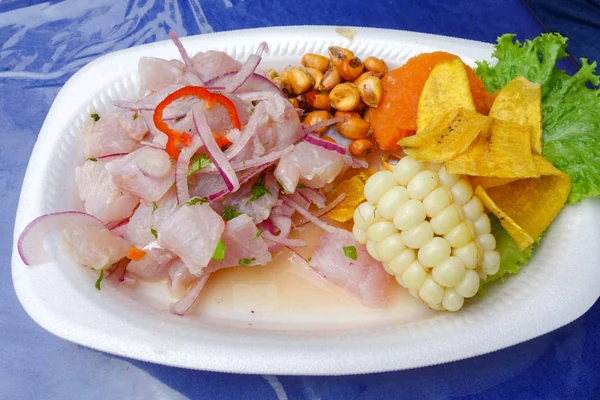
Ceviche: Peru’s most iconic seafood dish
Ceviche is often considered Peru’s national dish and one of the country’s most recognised culinary symbols. It is traditionally prepared with fresh raw fish marinated in lime juice and combined with ingredients such as red onion, chilli peppers, and coriander. The freshness of the ingredients is essential, especially in coastal cities where seafood plays an important role in daily cuisine.
Although ceviche can now be found in many countries, tasting it in Peru feels completely different. Local variations exist across the coast, and many restaurants prepare it using recipes passed down through generations. For many travellers, ceviche is one of the first classic Peruvian dishes they try after arriving in the country.
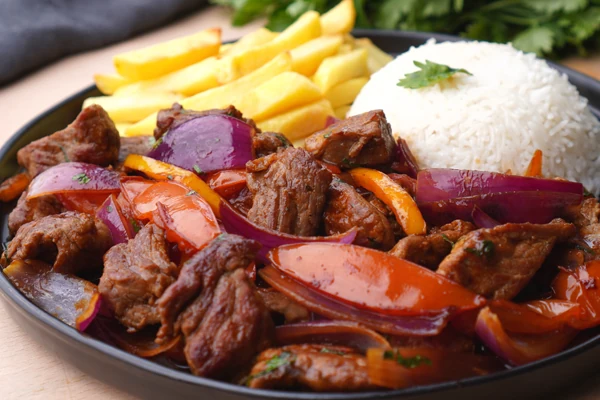
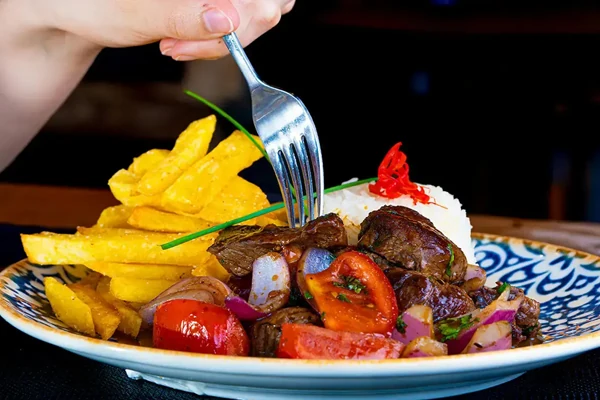
Lomo saltado: A fusion of Chinese and Peruvian flavors
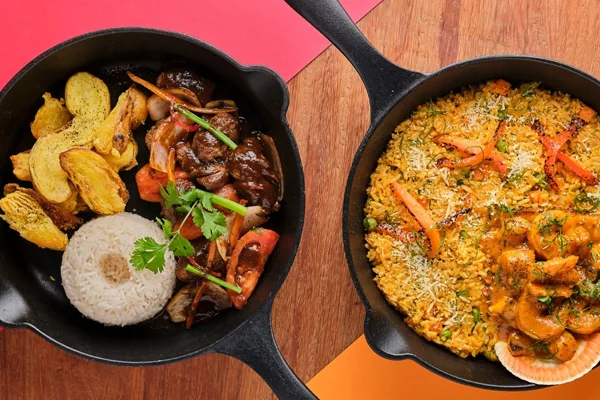
Lomo saltado is one of the best examples of Peru’s cultural fusion through food. The dish combines strips of beef with onions, tomatoes, chips, and soy sauce, all quickly stir fried over high heat. This cooking style reflects the influence of Chinese immigrants who introduced new techniques and ingredients to Peruvian cuisine during the nineteenth century.
Today, lomo saltado remains one of the most popular meals across Peru. It is commonly served in both traditional restaurants and local eateries, making it accessible to travellers in almost every city. The combination of familiar ingredients with Peruvian flavours makes it a comforting dish for visitors experiencing local cuisine for the first time.
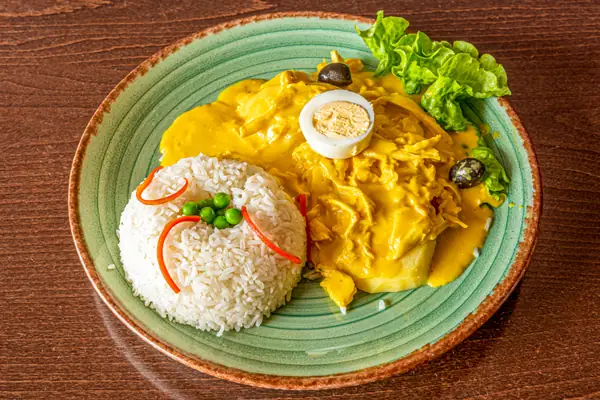
Ají de gallina: A creamy and comforting Peruvian classic
Ají de gallina is a traditional Peruvian dish known for its rich and creamy texture. It is usually prepared with shredded chicken in a sauce made from yellow chilli peppers, bread, milk, cheese, and nuts. The result is a comforting meal with mild spice and deep flavour, often served with rice, potatoes, and boiled eggs.
This dish has been part of Peruvian home cooking for generations and is especially common in Lima. Many families continue to prepare it using recipes shared through different generations, which gives the dish a strong connection to local traditions. Among classic Peruvian dishes, ají de gallina is often appreciated for its simplicity and comforting taste.
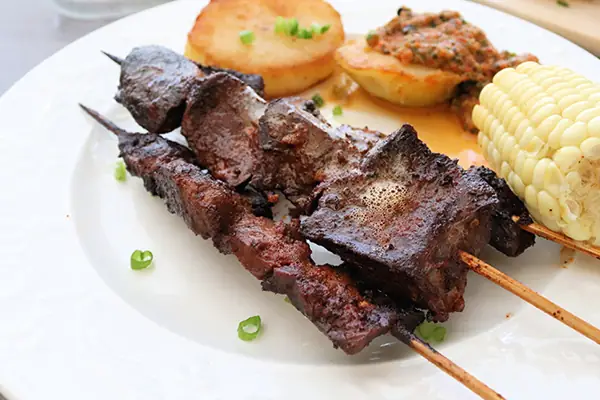
Anticuchos: Peru’s traditional street food favorite
Anticuchos are one of Peru’s most traditional street foods and can be found in markets, festivals, and neighbourhood food stalls throughout the country. They are usually made from marinated beef heart grilled on skewers and served with potatoes or maize. The smoky flavour and seasoning make them especially popular during evening gatherings and local celebrations.
The origins of anticuchos date back to the colonial period, when African communities adapted available ingredients into flavourful recipes that later became part of Peruvian cuisine. Today, they remain an important part of local food culture and are often recommended to travellers looking to try authentic street food experiences in Peru.
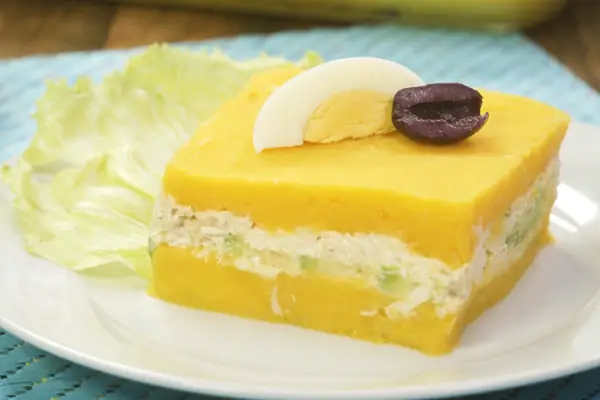
Causa limeña: One of Peru’s most traditional potato dishes
Causa limeña is a cold layered dish made with mashed yellow potatoes seasoned with lime and chilli peppers. It is commonly filled with ingredients such as chicken, tuna, seafood, or avocado, creating a colourful and refreshing meal. The softness of the potatoes combined with fresh fillings gives the dish a balanced and delicate flavour.
Potatoes have been cultivated in Peru for thousands of years, making them an essential ingredient in many classic Peruvian dishes. Causa reflects this connection to local agriculture and traditional cooking. It is especially popular during warmer seasons and is often served as a starter in restaurants across Lima and other coastal cities.
You might also be interested in: Find out the best time to travel to Peru
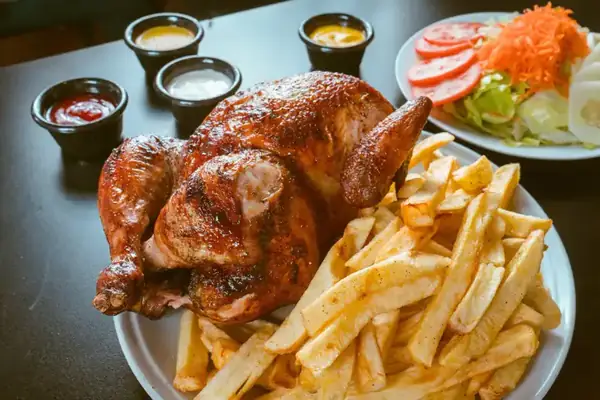
Pollo a la brasa: Peru’s favorite comfort food
Pollo a la brasa has become one of the most beloved meals in Peru. This rotisserie chicken is marinated with spices and cooked slowly over charcoal or open flames, creating crispy skin and juicy meat. It is typically served with chips, salad, and a variety of sauces that add extra flavour to the meal.
Although it may seem simple, pollo a la brasa holds a special place in Peruvian culture. Families and friends often gather around this dish during weekends or celebrations, making it part of everyday social life. Many travellers are surprised by how flavourful and different Peruvian style rotisserie chicken tastes compared to versions found elsewhere.
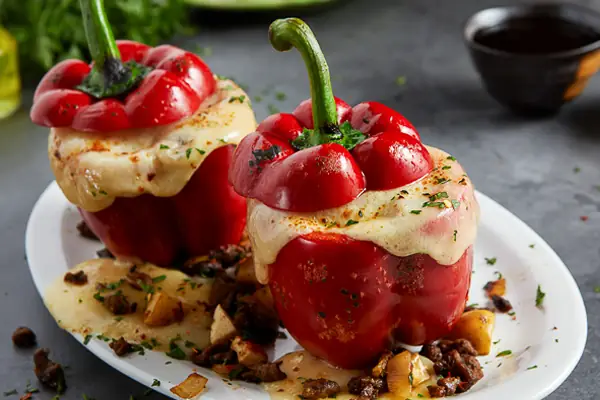
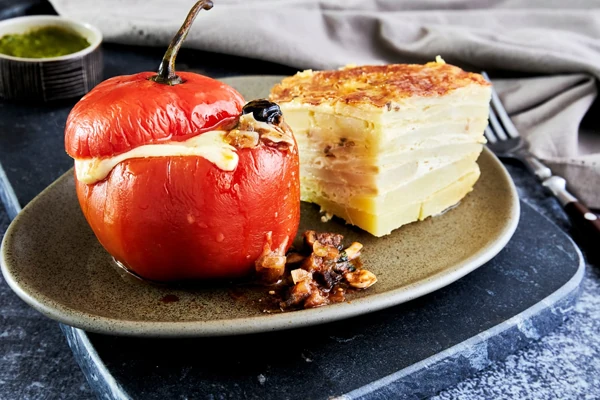
Rocoto relleno: A spicy specialty from Arequipa
Rocoto relleno is a traditional dish from the southern city of Arequipa, a region known for its bold and distinctive flavours. The dish consists of rocoto peppers stuffed with minced meat, vegetables, spices, and cheese before being baked until tender. Rocoto peppers resemble ordinary peppers but are considerably spicier, giving the dish its characteristic heat.
Arequipa’s culinary traditions are highly respected within Peru, and rocoto relleno is one of the city’s most famous recipes. It is often served alongside potato based dishes or baked pasta, creating a rich and satisfying meal. Travellers visiting southern Peru frequently seek out this regional speciality to experience a different side of Peruvian gastronomy.
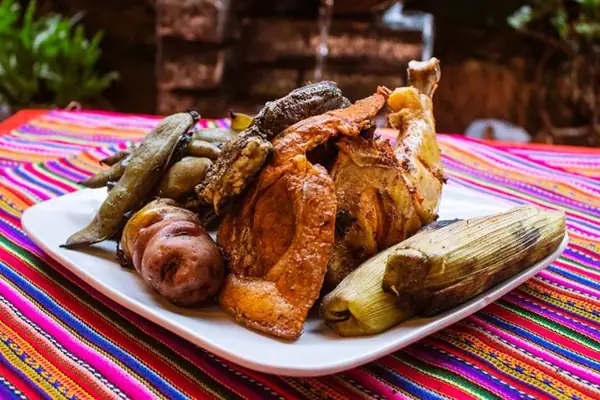
Pachamanca: An ancient Andean cooking tradition
Pachamanca is more than just a meal, as it also represents an ancient Andean cooking tradition connected to community and ceremony. The dish is prepared by cooking meats, potatoes, maize, and vegetables underground using heated stones. This traditional method has been practised in the Andes for centuries and continues to be part of cultural celebrations in rural communities.
The word pachamanca comes from the Quechua language and roughly translates as earth oven. Preparing the meal often involves groups of people working together, making the experience both social and cultural. For travellers interested in traditional Andean customs, tasting pachamanca offers a unique connection to Peru’s ancestral heritage.
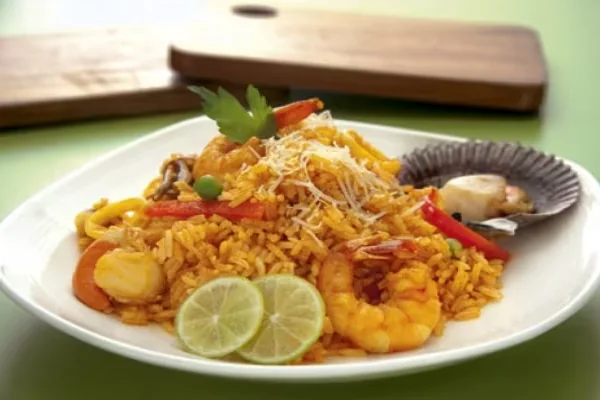
Arroz con mariscos: A flavorful coastal Peruvian dish
Arroz con mariscos is a seafood rice dish commonly enjoyed along the Peruvian coast. It combines rice with prawns, squid, mussels, and other seafood cooked in a flavourful mixture of spices, chilli peppers, and herbs. The dish is colourful, aromatic, and strongly connected to Peru’s coastal food culture.
Although it is sometimes compared to Spanish paella, arroz con mariscos has its own distinct character and flavours. Local ingredients and Peruvian seasoning give the dish a unique taste that reflects the country’s maritime traditions. It is especially popular in seaside cities where fresh seafood is available daily.
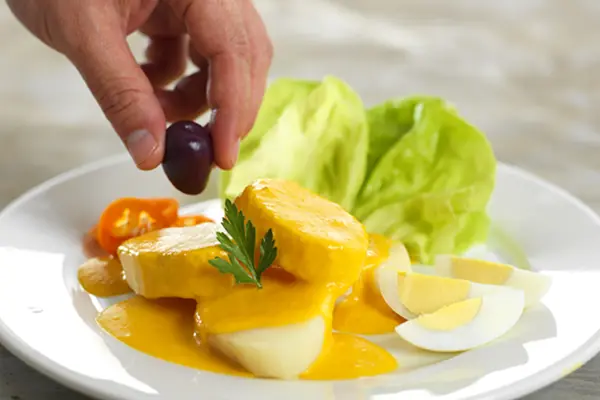
Papa a la Huancaína: A simple but iconic Peruvian starter
Papa a la huancaína is a traditional starter prepared with sliced potatoes covered in a creamy yellow chilli sauce made with cheese, milk, and crackers. It is usually served cold with lettuce, olives, and boiled eggs, creating a simple yet flavourful combination. Despite its simplicity, the dish remains one of the most recognisable starters in Peruvian cuisine.
This recipe originated in the central highlands of Peru but later became popular throughout the country. Today, it is commonly found in both local homes and restaurants, especially during family gatherings or celebrations. Among classic Peruvian dishes, papa a la huancaína stands out for showing how simple ingredients can create rich and memorable flavours.
You may also be interested in:Salkantay Trek vs Inca Trail 2026
Traditional Peruvian desserts worth trying after your meal
Peruvian cuisine is not only recognised for its savoury dishes, but also for its traditional desserts that continue to be part of everyday life and local celebrations. Many sweet recipes combine ingredients introduced during the colonial period with products native to Peru, creating desserts that feel both traditional and unique. After enjoying some of the country’s most classic Peruvian dishes, trying a local dessert becomes the perfect way to complete the culinary experience.
From street food favourites to recipes linked to Lima’s colonial history, Peruvian desserts reflect the country’s cultural diversity in the same way as its main dishes. Many travellers are surprised by the variety of flavours found in traditional sweets, especially those made with ingredients such as purple maize, sweet potato, cinnamon, and local syrups.
Picarones: Peru’s famous sweet street food
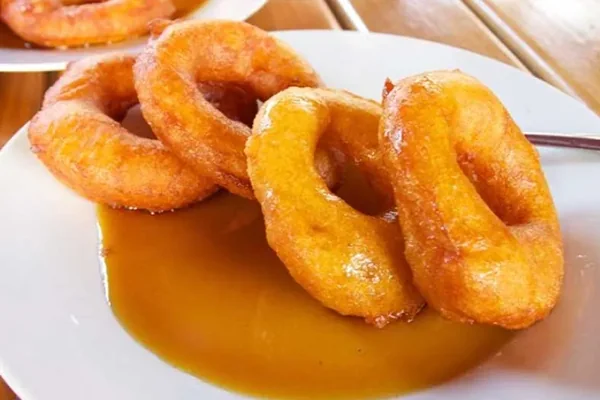
Picarones are one of Peru’s most traditional street desserts and can often be found in markets, parks, and evening food stalls. They are prepared using a dough made from sweet potato and squash, shaped into rings, and fried until golden. The dessert is typically served with a warm syrup made from chancaca, a type of unrefined sugar flavoured with cinnamon and cloves.
The combination of soft texture and sweet syrup makes picarones especially comforting during colder evenings. Although they are popular throughout Peru, many travellers enjoy trying them in Lima’s traditional neighbourhoods, where street vendors continue preparing them using long standing family recipes. For many visitors, picarones become one of the most memorable sweet flavours experienced during their trip.
Suspiro a la Limeña: A traditional dessert with colonial influence
Suspiro a la Limeña is a classic dessert originally created in Lima during the colonial period. It is traditionally made with a creamy mixture of milk, sugar, and egg yolks, topped with soft meringue flavoured with port wine or cinnamon. The dessert has a delicate texture and a rich sweetness that reflects the European influence on Peruvian cuisine.
Today, suspiro a la Limeña remains one of the country’s most iconic desserts and is commonly served in traditional restaurants across Lima. Its name, which can be translated as the sigh of a woman from Lima, adds a romantic and historical element that many travellers find interesting. Alongside classic Peruvian dishes, desserts like this help visitors discover another side of the country’s culinary heritage.
For travellers interested in exploring Peru through authentic cultural and culinary experiences, choosing the best tour operator in Peru can make a significant difference. Local expertise often helps visitors discover traditional restaurants, regional flavours, and lesser known destinations that provide a deeper connection to Peruvian culture throughout the journey.
Where to try the best Peruvian dishes during your trip
Trying traditional food in Peru is not only about visiting famous restaurants, but also about exploring the places where local people eat every day. Many travellers discover that some of the most authentic flavours can be found in neighbourhood eateries, family owned restaurants, and local markets. These experiences often provide a closer connection to Peruvian culture and daily life.
Food also changes significantly from one region to another. Coastal cities are known for seafood dishes, the Andes offer hearty traditional meals, and the Amazon introduces travellers to ingredients and flavours rarely found elsewhere. Exploring different regions through food allows visitors to experience the diversity that makes Peruvian gastronomy so highly regarded around the world.
Traditional restaurants and local food experiences in Lima
Lima is often considered one of the best cities in South America for food lovers. The capital combines fine dining restaurants with traditional eateries that continue serving recipes passed down through generations. Travellers can enjoy everything from fresh ceviche near the coast to comforting home style dishes in historic neighbourhoods across the city.
Local food experiences in Lima also go beyond restaurants. Visiting traditional markets or joining culinary tours allows travellers to discover ingredients and flavours that are deeply connected to Peruvian culture. Many visitors find that these experiences provide a more authentic understanding of the classic Peruvian dishes they try during their stay.
Discovering authentic flavors in different regions of Peru
Although Lima is famous for its gastronomy, many travellers choose to explore regional cuisine throughout the country. In the Andes, dishes such as pachamanca and hearty soups reflect traditional mountain cooking, while coastal regions focus heavily on seafood and fresh ingredients. Each destination introduces visitors to different cooking styles and local traditions.
Travellers visiting the Andes often combine cultural experiences with iconic destinations such as the Machu Picchu full day 2026 tour. Along the journey, many visitors also have the opportunity to taste traditional Andean meals prepared with local ingredients that have been part of Peruvian cuisine for centuries. These experiences allow travellers to connect more deeply with the history, landscapes, and living traditions of the region.
You may also be interested in:Classic Inca Trail to Machu Picchu: Complete Guide 2026
Discover Peru through its traditional cuisine
Food is one of the most meaningful ways to connect with Peru’s culture, history, and people. Every recipe tells a story shaped by ancient traditions, migration, regional ingredients, and family customs that continue to be preserved today. From street food stalls to traditional family meals, gastronomy remains an important part of daily life across the country.
For travellers, trying classic Peruvian dishes often becomes much more than a culinary experience. It creates opportunities to explore local traditions, discover regional diversity, and better understand the cultural identity of Peru. Whether tasting ceviche along the coast or enjoying pachamanca in the Andes, food leaves memories that remain long after the journey ends.
