
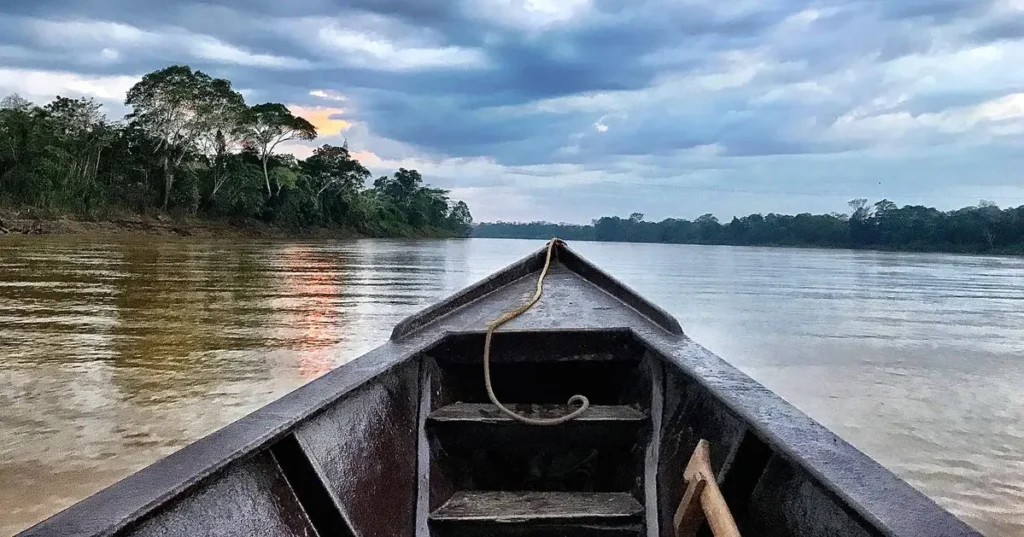
Traveling to the Peruvian jungle is not only about visiting a destination. It is about stepping into a living ecosystem that breathes history, science, culture, and daily survival. Many European travelers imagine the Amazon as a distant green blur on a map, but once you arrive, you realize it is a complex world with its own rhythm, challenges, and beauty.
This guide was created for travelers who want real information, not exaggerated promises. If you are planning your first journey or already comparing destinations, understanding how peru jungle tours truly work will help you make better decisions, avoid common mistakes, and enjoy the experience with confidence.
In this post, you will find detailed explanations about geography, safety, logistics, wildlife, seasons, tour types, ethical tourism, and practical planning. Everything is written to help you feel prepared, not overwhelmed. The jungle can be intense, but it can also be deeply rewarding when you know what to expect.
You might also be interested in: A complete guide to the 7 lakes of ausangate
Peru jungle tours as a travel experience: what they really involve
Peru jungle tours are not simple sightseeing trips. They combine transportation through remote areas, accommodation in ecological zones, guided exploration, and cultural interaction. Unlike traditional city tourism, the jungle demands adaptability, patience, and physical readiness.
Most travelers access the Amazon through cities such as Puerto Maldonado, Iquitos, or Tarapoto. From there, river transport and small vehicles connect visitors to protected reserves and lodges located deep in the rainforest.
A typical structure of peru jungle tours includes:
- Arrival and orientation in a jungle gateway city
- River or road transfer to a lodge
- Daily guided excursions
- Wildlife observation
- Community or conservation activities
- Night walks or boat rides
The goal is not luxury in the European sense, but functionality, safety, and immersion. According to Peru’s Ministry of Foreign Trade and Tourism (MINCETUR), ecotourism in the Amazon has grown steadily over the past decade due to increased international demand for sustainable experiences and biodiversity tourism.
The geography of the Amazon basin
Understanding the geography helps you understand the experience. The Peruvian Amazon represents around 60% of the country’s territory and forms part of the larger Amazon Basin shared with Brazil, Colombia, Ecuador, and Bolivia. This region includes:
- Lowland rainforest
- Flooded forests (varzea)
- River systems such as the Madre de Dios and Amazon River
- National reserves like Tambopata and Manu
Peru jungle tours often focus on protected areas because they offer better wildlife visibility and controlled tourism activity.
Example : A traveler who chooses a tour near Cusco expecting a quick jungle experience may feel frustrated when discovering that reaching the rainforest requires an additional day of transport. Understanding geography avoids unrealistic expectations.
You might also be interested in: A Complete guide to exploring adventures in Peru
Peru jungle tours and biodiversity: what you can realistically see
The Amazon rainforest is widely recognized as the most biodiverse ecosystem on the planet. Data from the World Wildlife Fund (WWF) indicates that this region alone contains around 10% of all known species on Earth, including more than 1,300 bird species, over 3,000 types of fish, and countless varieties of insects and plants that continue to be studied by scientists.
This extraordinary concentration of life is one of the main reasons travelers choose Peru jungle tours. Within these environments, visitors may encounter colorful macaws flying above the canopy, parrots gathering near clay licks, capuchin and howler monkeys moving through the treetops, or sloths resting silently among the branches. In riverbanks and wetlands, it is also possible to observe caimans, giant river otters, poison dart frogs, and a vast range of medicinal plants traditionally used by local communities for generations.
Peru jungle tours offer opportunities to observe:
- Macaws and parrots
- Capuchin and howler monkeys
- Sloths
- Caimans
- River otters
- Poison dart frogs
- Medicinal plants
It is important to understand that wildlife encounters cannot be scheduled. Animals are not confined, trained, or attracted artificially by responsible operators. Ethical Peru jungle tours follow international conservation guidelines that prohibit feeding or disturbing wildlife to increase visibility.
Responsible wildlife observation
Responsible wildlife observation is one of the pillars that defines the quality and ethics of modern nature tourism. In fragile ecosystems such as the Amazon rainforest, tourism can either support conservation or contribute to long-term damage, depending on how activities are managed.
For this reason, reputable Peru jungle tours operate under international sustainability standards established by recognized environmental organizations, including:
- The International Ecotourism Society (TIES), which promotes low-impact tourism and community involvement
- Rainforest Alliance, known for its certification programs focused on biodiversity protection and sustainable land use
- Global Sustainable Tourism Council (GSTC), which defines global criteria for responsible travel and environmental management
These organizations provide guidelines that tour operators must follow to reduce ecological disturbance while still allowing travelers to experience the rainforest safely and respectfully. In practice, ethical Peru jungle tours apply concrete measures such as:
- Maintaining a safe physical distance from animals to avoid stress and behavioral changes
- Strict policies of not feeding wildlife, which prevents dependency and nutritional imbalance
- Limiting the number of visitors per group to reduce noise, pollution, and habitat disruption
- Avoiding sensitive zones during breeding seasons and showing full respect for nesting areas
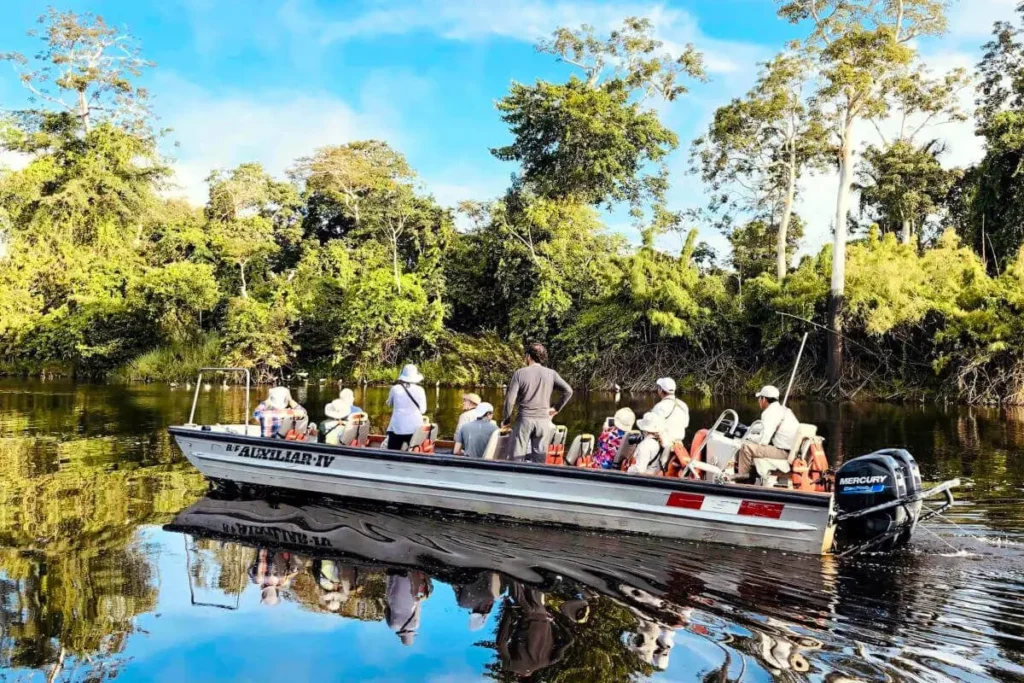
- Practicing quiet river navigation, especially in lakes and narrow waterways where animals feed and reproduce
Beyond logistics, many tour programs include environmental education as part of the experience. Guides often explain animal behavior, ecosystem relationships, and current conservation challenges such as illegal logging, mining, and climate change.
Peru jungle tours and accommodation options explained
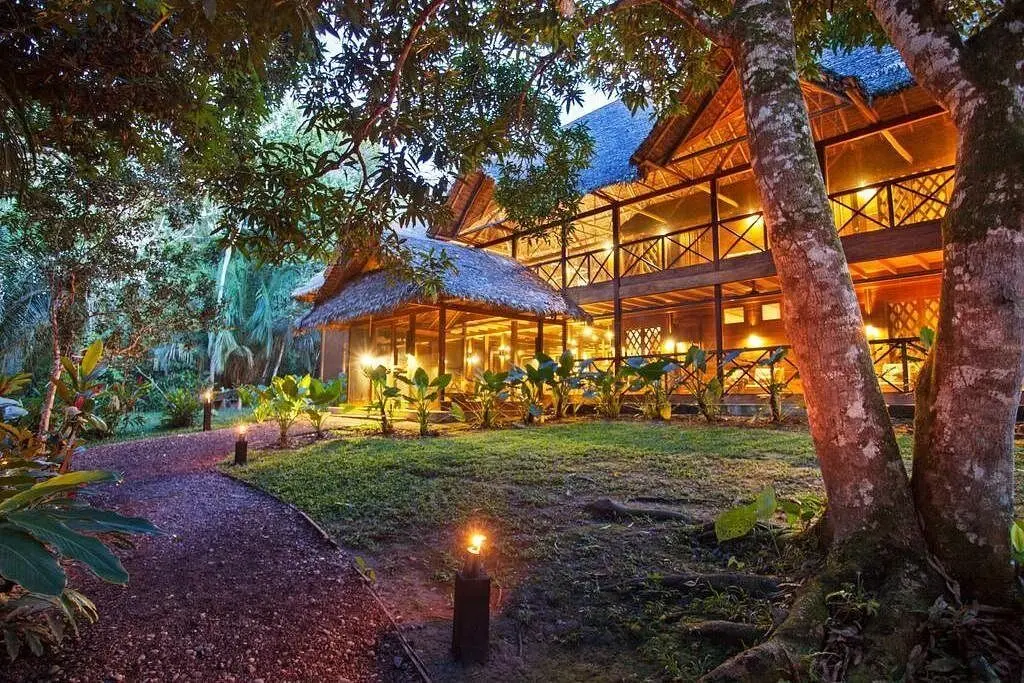
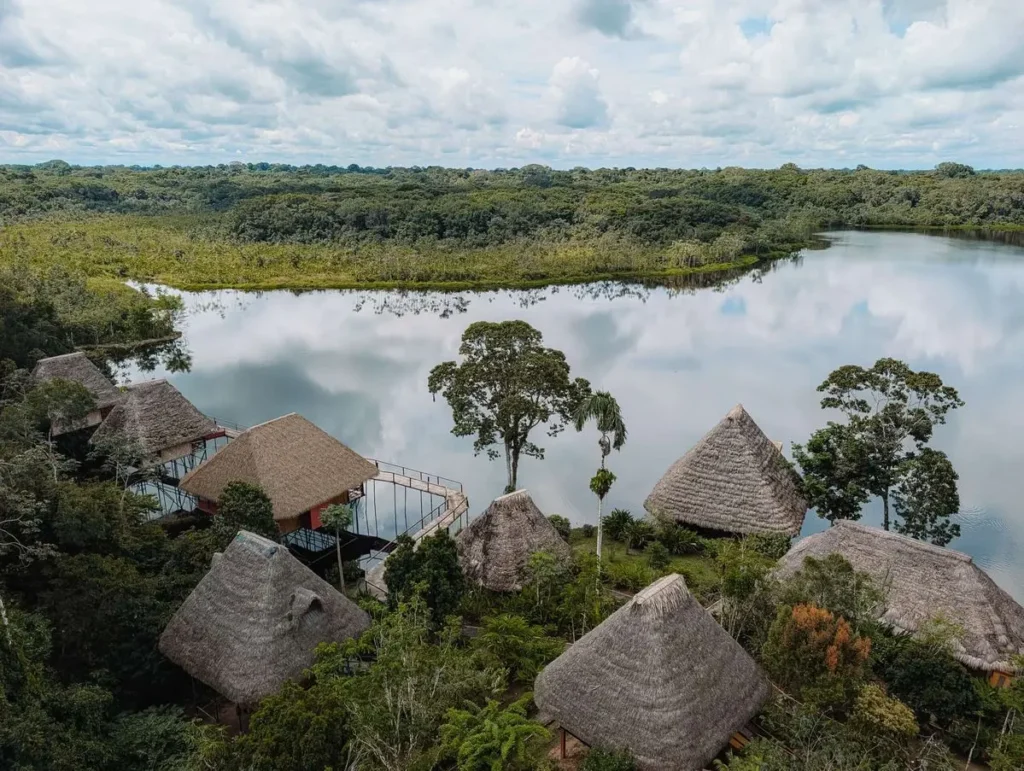
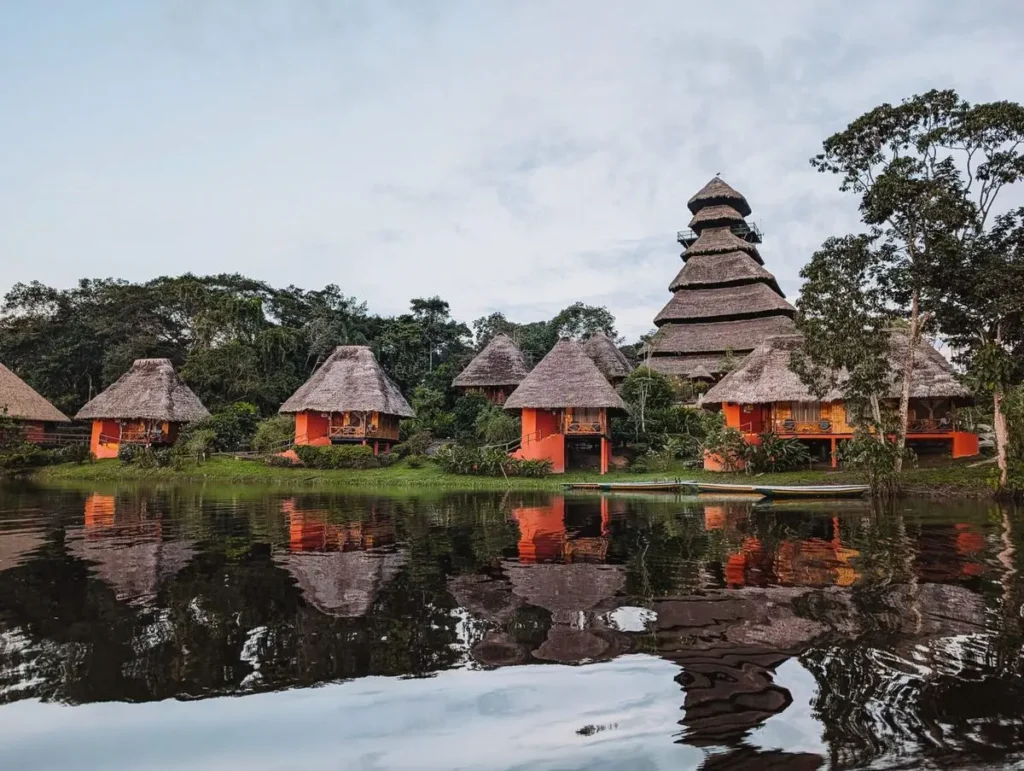
Accommodation in the Amazon rainforest follows very different principles compared to traditional urban hotels. Instead of prioritizing luxury or large-scale infrastructure, most lodging options within Peru jungle tours are designed to function in harmony with the surrounding ecosystem while still offering safety and basic comfort to travelers.
In general, visitors will encounter three main types of accommodation:
- Eco-lodges, built specifically for sustainable tourism and environmental protection
- Research-based lodges, often associated with scientific projects and biodiversity studies
- Community-run lodges, managed by local or indigenous families as a source of economic development
These facilities are constructed with minimal ecological impact. According to sustainability standards promoted by organizations such as the Rainforest Alliance, jungle lodges frequently incorporate renewable energy systems, including solar panels, filtered rainwater collection, natural ventilation instead of air conditioning, and biodegradable waste management practices.
In the Puerto Maldonado region, for example, some travelers choose to stay at amazon garden lodge puerto maldonado due to its location near protected rainforest areas and its collaboration with local conservation initiatives. Lodges in this category often serve as operational bases for guided excursions while also supporting environmental monitoring and community employment.
What to expect inside a jungle lodge?
Lodges included in Peru jungle tours are designed for functionality and environmental respect rather than urban comfort. Most offer private or shared rooms with mosquito nets, limited electricity schedules, rainwater showers, open dining areas, observation towers, and marked walking trails for guided excursions.
Travelers should not expect air conditioning or stable internet access. As noted by National Geographic, disconnecting from constant digital connectivity often becomes one of the most appreciated aspects of rainforest travel, allowing visitors to fully engage with their surroundings and daily rhythms of the jungle.st travel.
You might also be interested in: Find out the best time to travel to Peru
Peru jungle tours and climate: understanding the seasons
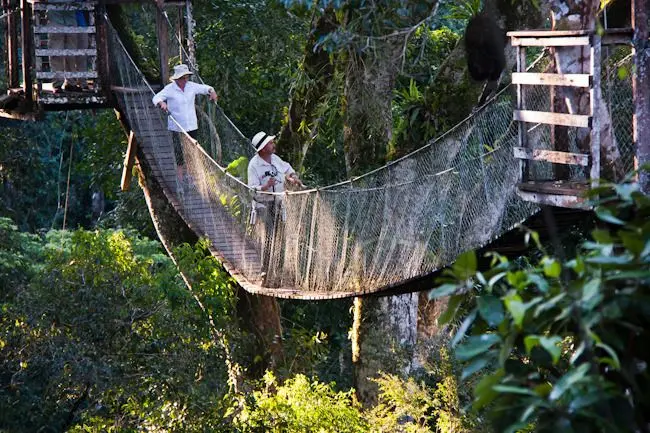
The Amazon rainforest remains hot and humid throughout the year, but seasonal changes significantly affect travel conditions. The dry season, from May to October, offers lower rainfall, easier trail access, cooler nights, and higher tourist demand. In contrast, the rainy season, from November to April, brings denser vegetation, increased insect activity, higher river levels, and better navigation by boat.
Both periods have advantages, and many experienced travelers choose the rainy months for improved wildlife visibility and fewer crowds, despite the more challenging environment. Peru jungle tours operate year-round, adjusting routes and activities according to weather patterns and established safety protocols.
Health considerations
Proper health preparation is essential when traveling to the Amazon rainforest. The remote nature of many destinations and the tropical climate require travelers to take preventive measures seriously before joining Peru jungle tours.
According to official recommendations from the Centers for Disease Control and Prevention (CDC) and the World Health Organization (WHO), visitors should consider the following precautions:
- Yellow fever vaccination
- Malaria prevention in specific regions
- Hepatitis A and B vaccines
- High-quality insect repellent
- Adequate sun protection
- Oral hydration salts to prevent dehydration
In addition, professional tour operators usually provide trained guides, first-aid equipment, and emergency medical evacuation protocols, ensuring that travelers can explore the rainforest with greater confidence and safety.
Cultural interaction with local communities
The Amazon rainforest is not an uninhabited wilderness. It is home to indigenous societies that have protected and managed these ecosystems for thousands of years. Their knowledge of plants, wildlife, and seasonal cycles continues to play a vital role in the survival of the forest today.
Communities such as the Ese’Eja, Yine, Asháninka, and Shipibo-Conibo preserve distinct languages, traditional medicine systems, agricultural techniques, and spiritual practices closely tied to their natural surroundings.
Ethical Peru jungle tours may include carefully organized cultural exchanges, such as:
- Visits to local villages
- Handicraft demonstrations
- Storytelling and oral history sessions
- Explanations of traditional farming and fishing methods
These encounters are designed to be educational rather than performative. Participation is voluntary, photography is regulated, and community members decide how and when to share their traditions.
You might also be interested in: What to do in Iquitos? Understanding the amazonian
Peru jungle tours and popular activity types
Activities offered during Peru jungle tours vary according to location, season, and conservation regulations, but most itineraries are designed to provide a balanced combination of exploration, education, and wildlife observation.
Common activities include:
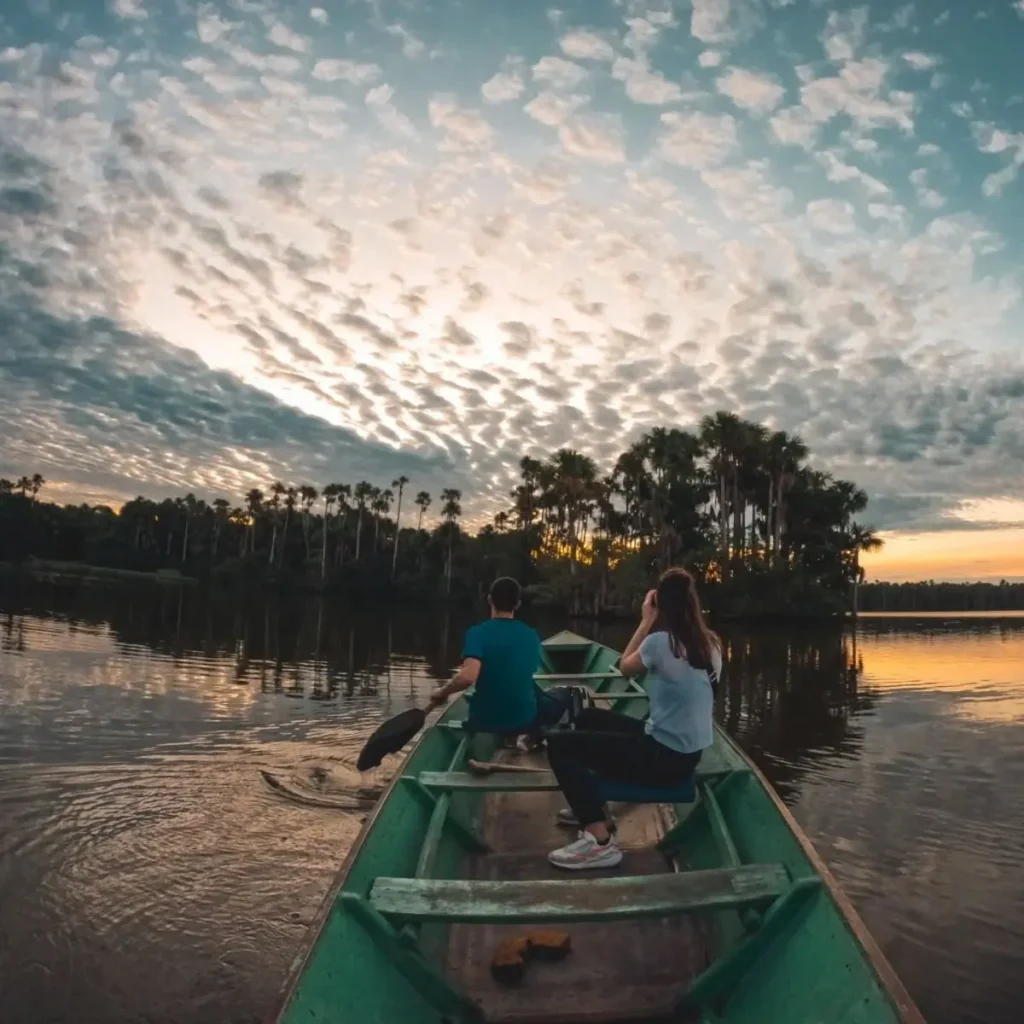
- Canopy walks on elevated platforms above the forest floor
- River kayaking through calm jungle waterways
- Birdwatching with specialized guides and optical equipment
- Medicinal plant identification based on traditional knowledge
- Night safaris to observe nocturnal species
- Clay lick observation, where parrots and macaws gather for minerals
- Lake exploration in protected oxbow lagoons
In biodiversity-rich regions such as Tambopata, structured programs like tambopata rainforest tours are specifically designed to maximize wildlife visibility while strictly respecting national conservation laws and protected area regulations. These itineraries often include visits to macaw clay licks, a phenomenon studied by biologists due to its importance in avian nutrition and ecosystem balance.licks, which scientists from the Smithsonian Tropical Research Institute study due to their importance in parrot nutrition.
Tours and lake ecosystems
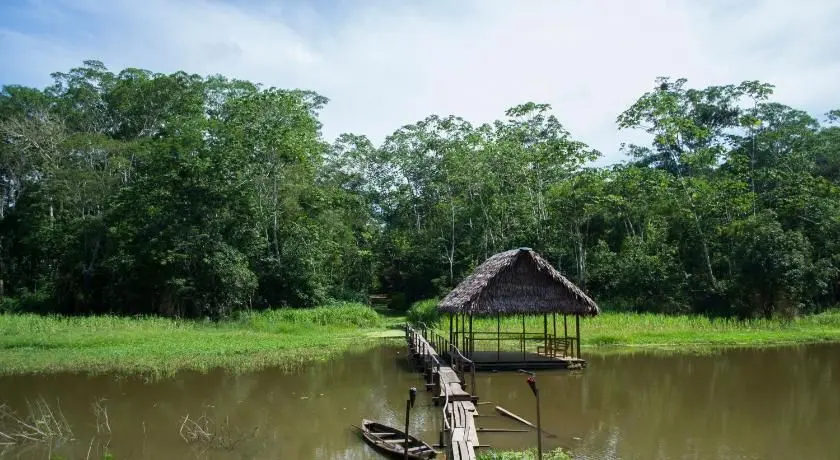
Amazonian lakes play a crucial role in the rainforest’s ecological balance. These freshwater systems support complex food chains where fish, reptiles, birds, and mammals depend on each other for survival. Because vegetation is less dense around lakes than in deep forest areas, wildlife tends to concentrate near the water, making these environments especially valuable for observation.
One of the most well-known examples is Lake Sandoval, located inside the Tambopata National Reserve. For this reason, many itineraries include a sandoval lake tour, as the area is home to several emblematic species, including:
- Giant river otters
- Black caimans
- Hoatzin birds
- Rare freshwater turtles
In addition to biodiversity, lakes offer smoother navigation conditions compared to narrow rivers, allowing boats to move quietly and with minimal disturbance. This calm environment increases the chances of prolonged wildlife encounters and detailed observation.
You might also be interested in: Machu Picchu 1 day tour from Cusco | Complete guide
What traveling through the Peruvian jungle truly teaches you
Traveling through the Amazon is not about collecting photos. It is about learning to slow down, listening to unfamiliar sounds, and realizing how small human routines are compared to nature’s scale.
For European travelers especially, the jungle challenges comfort zones in a healthy way. You trade predictable schedules for river currents, air conditioning for forest breeze, and silence for constant life movement.
When approached with preparation and respect, peru jungle tours become more than a trip. They become a lesson in coexistence, resilience, and perspective.
If you decide to go, go informed, patient, and open. The rainforest does not perform on demand, but it rewards those who observe quietly.
