
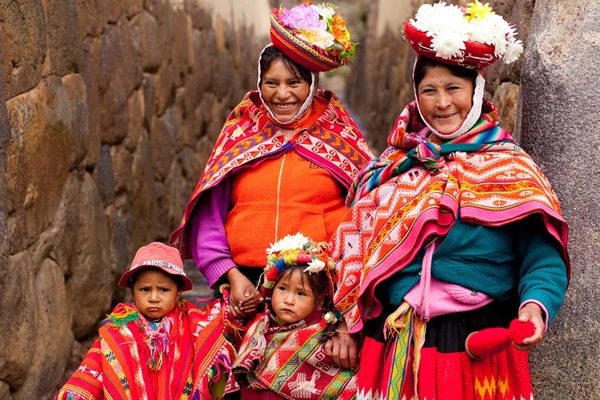
Peruvian traditions are an essential part of what makes the country such a fascinating destination to explore. Across the coast, the Andes, and the Amazon, centuries old customs continue to shape daily life, bringing communities together through festivals, ceremonies, music, food, and craftsmanship. These traditions offer valuable insight into the cultural heritage that has been preserved and celebrated throughout generations.
For travelers, discovering local traditions provides an opportunity to experience Peru beyond its famous archaeological sites and landscapes. Whether attending a vibrant festival, visiting a traditional market, or learning about ancestral practices, these cultural experiences help create a deeper connection with the people and places that make Peru unique.
You may also be interested in: How to get from Cusco to Machu Picchu: Transportation and best travel tips
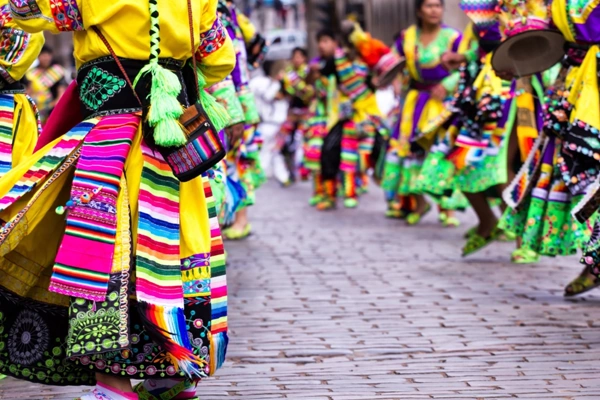
Why traditions remain an important part of life in Peru
Traditions continue to play a significant role in daily life throughout Peru. They help preserve cultural knowledge, strengthen community ties, and connect people with practices that have been passed down through generations. From religious celebrations and local festivals to music, dance, and traditional crafts, these customs remain an important part of how many Peruvians express their identity and heritage.
For travelers, learning about Peruvian traditions offers a deeper understanding of the country beyond its famous landmarks and natural attractions. These cultural expressions provide valuable insight into the beliefs, values, and histories that have shaped Peru over centuries. Experiencing local traditions can transform a trip into a more meaningful journey while creating stronger connections with the places and communities visited.
The connection between history, culture, and identity
Many Peruvian traditions have roots that stretch back hundreds of years, combining influences from Indigenous civilizations, the colonial period, and later cultural exchanges. These traditions reflect the country’s complex history and demonstrate how different communities have contributed to Peru’s cultural identity over time. Today, many customs continue to be practiced while preserving stories and values from previous generations.
Cultural traditions also serve as a way for communities to maintain a sense of belonging and continuity. Festivals, ceremonies, and family gatherings often bring people together to celebrate shared heritage and collective memory. Through these practices, Peruvian traditions remain a living expression of the country’s history and continue to play an important role in shaping local identity.
How traditions vary across Peru’s different regions
One of the most fascinating aspects of Peru’s cultural heritage is the diversity of traditions found across its regions. Coastal communities, Andean towns, and Amazonian villages each have their own customs, celebrations, and ways of life influenced by local history and geography. This variety creates a rich cultural landscape that reflects the country’s remarkable diversity.
Travelers exploring different parts of Peru often discover that traditions can change significantly from one destination to another. A festival celebrated in the Andes may have completely different customs from a celebration held along the coast or in the Amazon. This regional diversity is one of the reasons why Peruvian traditions remain such an important and fascinating part of the country’s cultural identity, offering visitors new perspectives wherever they travel.
For those interested in experiencing these cultural differences firsthand, choosing from the best Peru packages can be an excellent way to explore multiple regions in a single journey. Visiting destinations across the coast, the Andes, and the Amazon allows travelers to discover a wide variety of traditions, celebrations, and local customs while gaining a deeper appreciation for Peru’s cultural diversity.
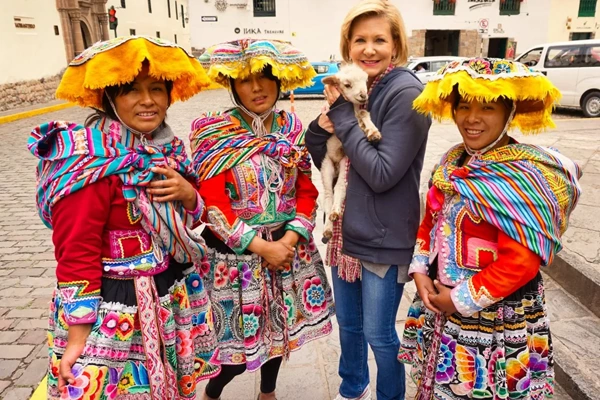
8 peruvian traditions you should know about
Peru is a country where traditions remain closely connected to everyday life. Across the coast, the Andes, and the Amazon, communities continue to celebrate customs that have been passed down for generations. These traditions reflect the country’s cultural diversity and help preserve knowledge, beliefs, and practices that remain important today.
For travelers interested in experiencing local culture, learning about Peruvian traditions can provide a deeper appreciation of the destinations they visit. Many of these customs can still be observed through festivals, ceremonies, music, food, and community events, offering meaningful opportunities to connect with Peru’s living heritage.
Inti Raymi: The Festival of the Sun
Inti Raymi is one of the most famous cultural celebrations in Peru and has its origins in the Inca Empire. Held every year in Cusco, this festival honors Inti, the Sun God, who was considered one of the most important deities in Inca society. The celebration includes colorful processions, traditional music, ceremonial performances, and historical reenactments that attract visitors from around the world.
Today, Inti Raymi serves as both a cultural celebration and a way to preserve Peru’s Indigenous heritage. The event offers travelers the chance to witness one of the most important Peruvian traditions while learning about the history and beliefs that shaped the Inca civilization. Its continued popularity demonstrates the enduring connection between modern Peru and its ancestral roots.
Pachamama ceremonies in the Andes
In many Andean communities, Pachamama, often translated as Mother Earth, continues to hold deep spiritual significance. Ceremonies dedicated to Pachamama are performed as expressions of gratitude for the land, harvests, and natural resources that sustain local communities. These rituals often include offerings of food, flowers, and other symbolic items.
Although practices may vary from one region to another, the central message remains the same: respect for nature and appreciation for the environment. These ceremonies represent some of the oldest Peruvian traditions still practiced today and provide valuable insight into the worldview of many Indigenous communities in the Andes.
The celebration of Día de Todos los Santos
Día de Todos los Santos, or All Saints’ Day, is an important celebration observed throughout Peru. Families gather to honor and remember loved ones who have passed away, often visiting cemeteries, preparing traditional foods, and participating in religious ceremonies. The occasion combines Catholic influences with local customs that have developed over generations.
This tradition highlights the importance of family and remembrance within Peruvian culture. In many regions, communities come together to share food, stories, and prayers, creating a sense of connection between past and present. The celebration continues to be one of the most meaningful Peruvian traditions observed across the country.
Traditional weaving in Andean communities
Weaving has been an important part of Andean culture for centuries and remains a respected tradition in many communities today. Skilled artisans use techniques passed down through generations to create textiles featuring intricate patterns, vibrant colors, and symbolic designs. These handmade pieces often reflect local identity, history, and cultural beliefs.
Visitors traveling through the Andes frequently encounter weaving demonstrations and community workshops where artisans share their knowledge and craftsmanship. As one of the most enduring Peruvian traditions, weaving continues to support local economies while helping preserve cultural heritage for future generations.
Marinera: Peru’s national dance
The Marinera is widely recognized as Peru’s national dance and is celebrated for its elegance and cultural significance. Performed by couples using handkerchiefs as part of the choreography, the dance combines graceful movements, musical expression, and a playful interaction between the dancers. Different regional styles of the Marinera can be found throughout the country.
The dance is often featured during festivals, competitions, and cultural events, attracting participants of all ages. Through its music and performance, the Marinera reflects the cultural influences that have shaped Peruvian society. It remains one of the most beloved Peruvian traditions and an important symbol of national identity.
The Virgen de la Candelaria Festival
The Virgen de la Candelaria Festival is one of the largest and most vibrant celebrations in Peru. Held annually in the city of Puno, near Lake Titicaca, the festival combines religious devotion with music, dance, and elaborate costumes. Thousands of performers participate in parades and cultural presentations that fill the city with energy and color.
Recognized for its cultural importance, the festival showcases the strong Indigenous and Catholic influences that coexist in many Peruvian communities. For travelers, attending this event provides an unforgettable opportunity to experience one of the most spectacular Peruvian traditions still celebrated today.
Peruvian gastronomy as a cultural tradition
Food plays a central role in Peruvian culture and is often considered a tradition in its own right. Recipes, cooking techniques, and ingredients have been passed down through generations, creating a rich culinary heritage that reflects the country’s diverse history. Meals are frequently associated with family gatherings, celebrations, and important community events.
Many classic dishes continue to preserve cultural influences from Indigenous, Spanish, African, Chinese, and Japanese communities. As a result, gastronomy has become one of the most recognizable Peruvian traditions, allowing both locals and visitors to experience the country’s cultural diversity through flavor and shared dining experiences.
Traditional markets and community gatherings
Local markets have long served as important social and economic centers throughout Peru. These gathering places bring together farmers, artisans, merchants, and families who exchange goods, share knowledge, and maintain community relationships. Markets continue to play a vital role in preserving local customs and supporting regional traditions.
For travelers, visiting traditional markets provides an opportunity to observe daily life while learning about local culture. Many markets feature handmade products, regional foods, and traditional practices that have been preserved over time. As living examples of Peruvian traditions, these community spaces offer valuable insight into the country’s cultural heritage and everyday life.
You might also be interested in: Find out the best time to travel to Peru
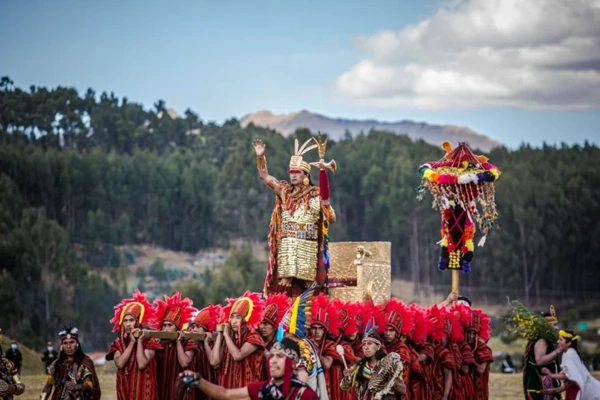
How travelers can experience Peruvian traditions respectfully
Experiencing local culture is often one of the most rewarding parts of traveling through Peru. From colorful festivals and traditional ceremonies to artisan workshops and community events, visitors have many opportunities to learn about customs that remain important in different regions of the country. Approaching these experiences with curiosity and respect helps create meaningful interactions while supporting the communities that preserve these traditions.
Understanding the cultural significance behind local practices can also enrich the travel experience. Rather than simply observing an event, travelers who take time to learn about its history and purpose often gain a deeper appreciation for the values and beliefs that continue to shape Peruvian traditions today.
Participating in cultural events and local celebrations
Many destinations throughout Peru host festivals and celebrations that welcome both local residents and visitors. Attending these events can provide valuable insight into traditional music, dance, food, and religious customs that have been preserved for generations. Participating respectfully allows travelers to experience the energy and spirit of local communities while learning about their cultural heritage.
It is important to remember that many celebrations have deep historical, spiritual, or community significance. Showing respect for local customs, following event guidelines, and observing traditions thoughtfully can help create positive experiences for everyone involved. This approach allows travelers to engage with Peruvian traditions in a way that is both meaningful and considerate.
Supporting local communities and cultural preservation
One of the most effective ways to support cultural preservation is by engaging directly with local communities. Purchasing handmade crafts, joining community based experiences, and choosing locally owned businesses can help sustain traditional skills and provide economic opportunities for the people who keep these customs alive.
Travelers can also contribute by showing genuine interest in local culture and learning from community members who share their knowledge and experiences. These interactions often create lasting memories while encouraging the continued preservation of Peruvian traditions for future generations. Responsible tourism can play an important role in helping cultural heritage remain strong and relevant in a changing world.
Many cultural experiences can also be enjoyed while visiting some of the country’s most iconic destinations. For example, travelers joining Machu Picchu Tours often have opportunities to interact with local communities, learn about Andean customs, and gain a deeper understanding of the traditions that continue to influence life in the region today. These experiences help create a stronger connection between Peru’s cultural heritage and its world renowned historical sites.
Why Peruvian traditions continue to thrive today
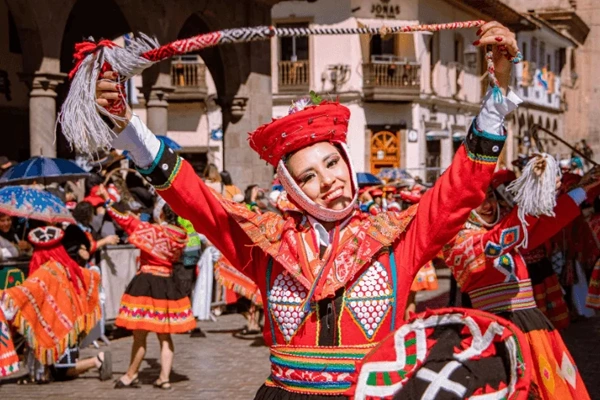
Despite modernization and social change, many traditions remain an important part of life throughout Peru. Communities continue to celebrate festivals, practice traditional crafts, prepare ancestral recipes, and pass cultural knowledge from one generation to the next. These customs remain relevant because they help strengthen identity, preserve history, and maintain a connection to local heritage.
The continued presence of Peruvian traditions reflects the commitment of families, communities, and cultural organizations that work to preserve them. Their efforts ensure that future generations can continue learning about the customs and values that have shaped Peru’s cultural landscape for centuries.
The role of families and local communities
Families play a central role in preserving cultural traditions across Peru. Many customs are learned at home through daily activities, celebrations, storytelling, music, and shared meals. Parents and grandparents often pass knowledge to younger generations, helping ensure that traditions remain part of community life.
Local communities also contribute by organizing festivals, supporting cultural events, and maintaining traditional practices that reflect their unique identities. These collective efforts help keep Peruvian traditions active and relevant while strengthening the social bonds that connect people to their heritage.
Preserving cultural heritage for future generations
Across Peru, many individuals and organizations are working to protect cultural traditions and ensure they continue into the future. Educational programs, cultural festivals, artisan cooperatives, and community initiatives all contribute to preserving knowledge that might otherwise be lost over time. These efforts help younger generations understand the importance of their cultural heritage.
Travelers also play a role by supporting responsible tourism and showing appreciation for local customs and traditions. By valuing authentic cultural experiences and engaging respectfully with local communities, visitors help create opportunities for cultural preservation. In this way, Peruvian traditions can continue to thrive while remaining an important part of the country’s identity for years to come.
Many travelers choose Peru tour packages that include cultural experiences alongside visits to the country’s most famous destinations. These journeys often provide opportunities to learn about local customs, participate in community activities, and discover traditions that continue to shape everyday life across Peru. By exploring the country in a thoughtful and respectful way, visitors can gain a deeper appreciation for its cultural heritage while supporting the preservation of local traditions.
You may also be interested in: Peru jungle tours everything you need to know
Discover Peru through its living traditions
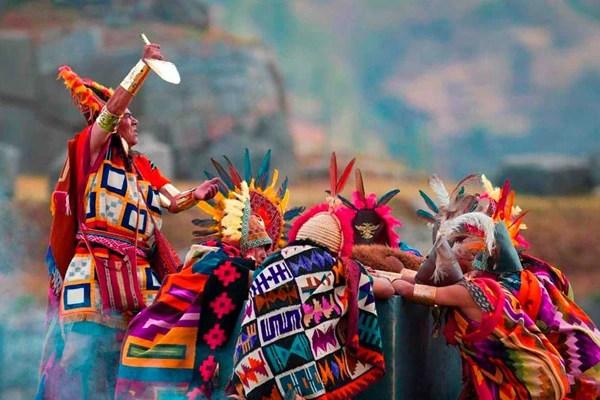
Peru’s traditions are not simply part of the country’s past. They continue to be practiced, celebrated, and shared by communities across every region. From colorful festivals and traditional dances to local markets and family customs, these cultural expressions remain deeply woven into everyday life and provide visitors with authentic opportunities to experience Peru’s rich heritage.
For many travelers, exploring living traditions becomes one of the most memorable aspects of their journey. These experiences offer a deeper understanding of the country’s identity while creating meaningful connections with local communities. Through its customs, celebrations, and cultural practices, Peru invites visitors to discover a side of the country that goes far beyond sightseeing.
