
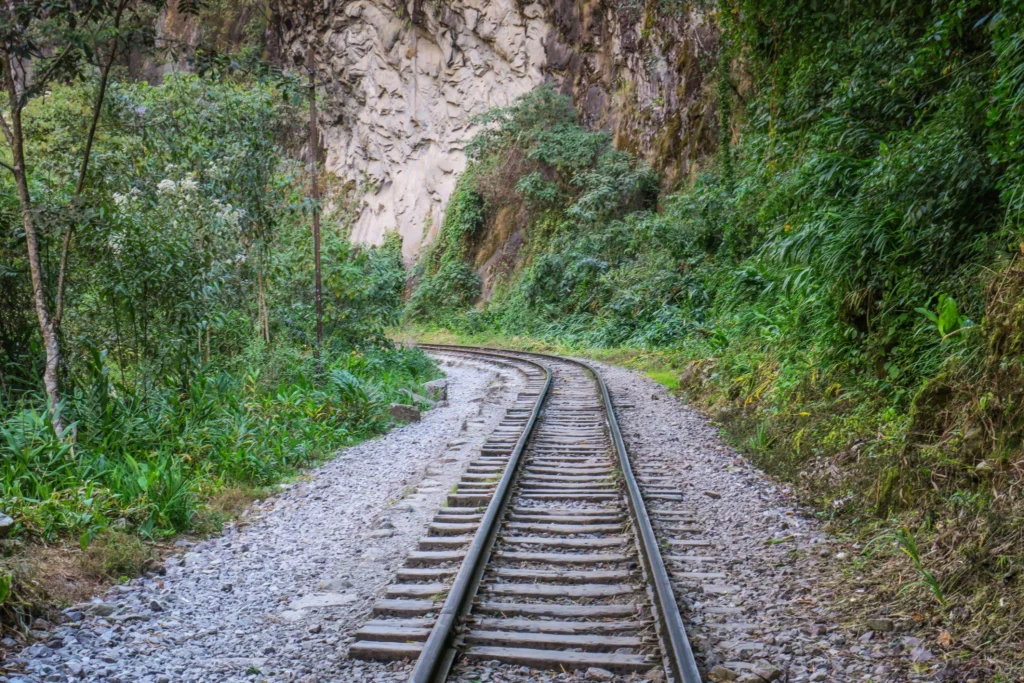
If you are planning a trip to Peru, one of the most important questions you will face is how to get from Cusco to Machu Picchu. This route is not just a simple transfer between two destinations, but part of the overall experience of visiting one of the most iconic archaeological sites in the world. The journey involves different transport options, scenic routes, and a bit of planning to make everything run smoothly.
Understanding the different ways to travel helps you choose the option that best fits your time, budget, and travel style. Whether you prefer comfort, adventure, or efficiency, there is more than one way to reach the ancient citadel.
You might also be interested in: Find out the best time to travel to Peru
Main routes to get from Cusco to Machu Picchu
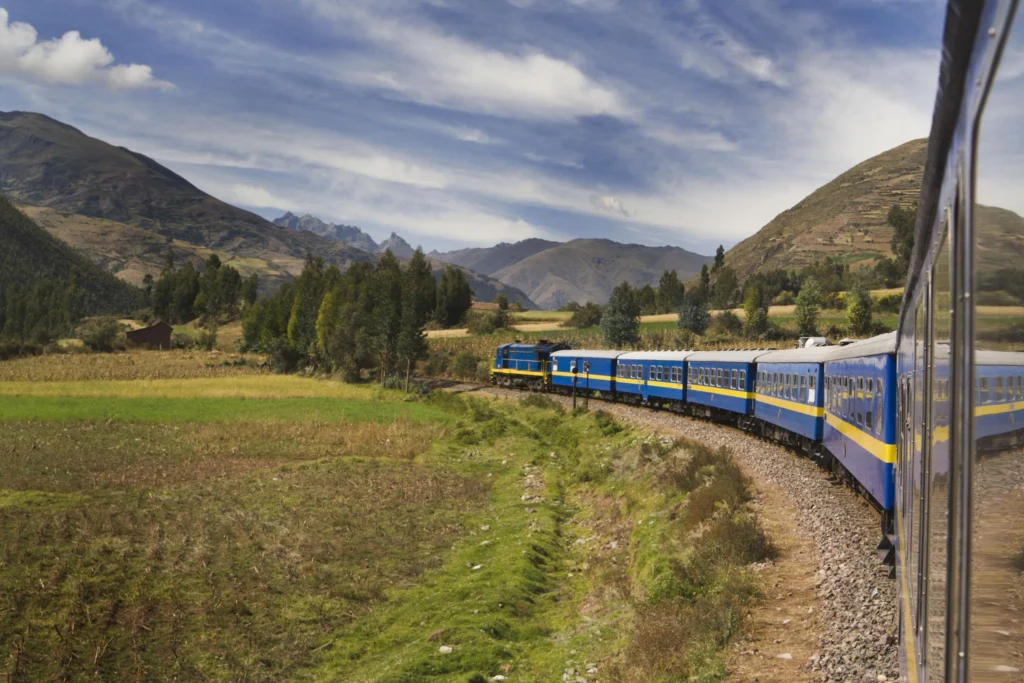
There are several ways to approach how to get from Cusco to Machu Picchu, and each one offers a different experience. Some travelers prioritize speed, while others prefer scenic routes or a more immersive trekking experience. Most journeys combine road and rail transport in some form.
How access to Machu Picchu from Cusco works
The access from Cusco to Machu Picchu usually starts with a transfer to either Ollantaytambo or Hydroelectric Station, depending on the chosen route. From there, most travelers continue by train or on foot.
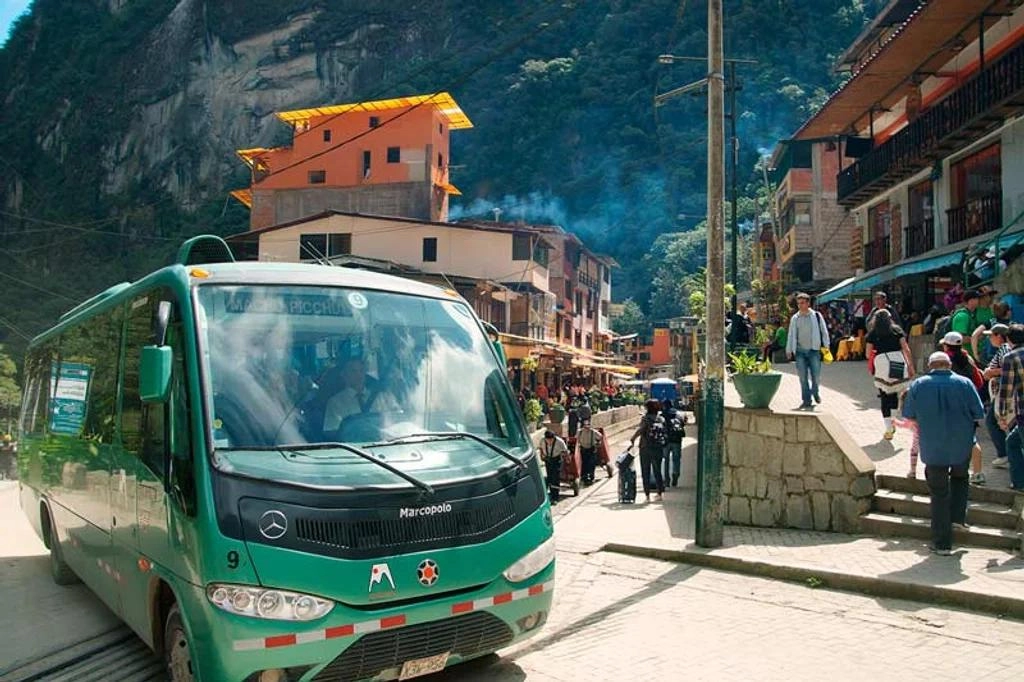
The most common route involves taking a train from the Sacred Valley to Aguas Calientes, the small town located at the base of Machu Picchu. From Aguas Calientes, buses or hiking trails lead up to the archaeological site.
Another option includes multi-day trekking routes such as the Inca Trail, which requires permits and guided tours in advance. These routes are more physically demanding but offer a deeper connection with the landscape and history of the region.
What to expect during the train journey
The distance between Cusco and Machu Picchu is not very large in a straight line, but the mountainous terrain makes the journey longer than expected. On average, the total travel time ranges between 4 and 8 hours depending on the route.
By train, the journey from Ollantaytambo to Aguas Calientes takes about 1.5 to 2 hours. If you start directly from Cusco, you first need a bus ride of around 1.5 to 2 hours to reach the train station.
Trekking routes vary significantly, with some taking up to 4 days. Weather conditions, altitude, and seasonal changes can also affect travel time and comfort, so planning ahead is essential when considering how to get from Cusco to Machu Picchu.
Train journey to Machu Picchu
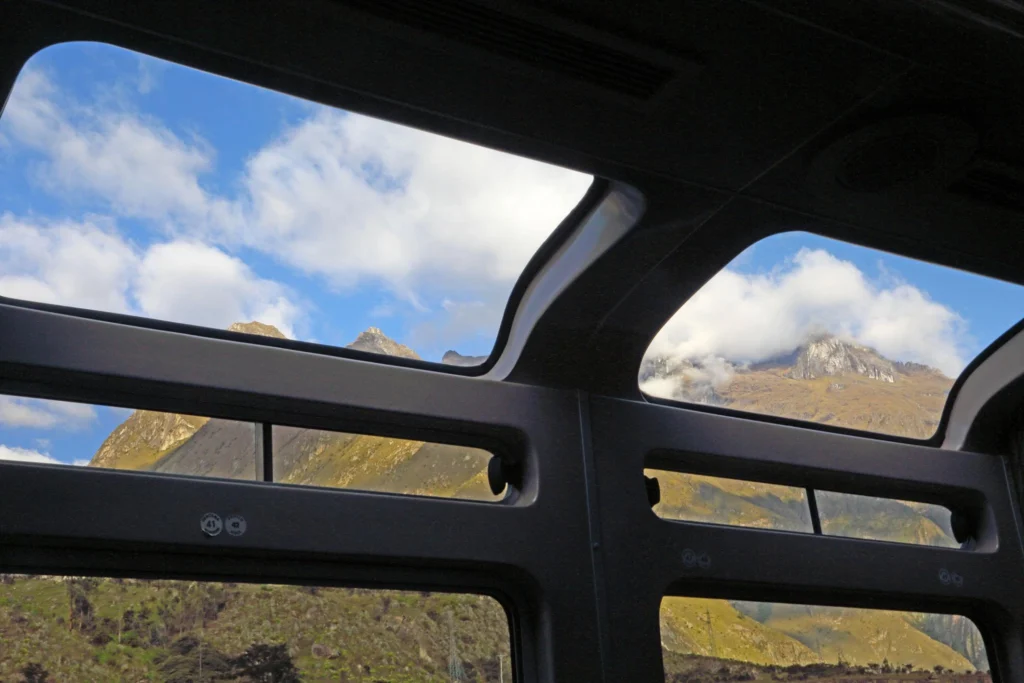
One of the most popular and comfortable ways to reach Machu Picchu is by train. It combines convenience with stunning views of the Andean landscape, making it a favorite choice for many travelers.
Most used stations and what the experience is like
The main train stations used for this route are Ollantaytambo and Poroy. Ollantaytambo is the most common departure point due to its location in the Sacred Valley, while Poroy is closer to Cusco but has fewer daily departures.
The experience begins with a gradual transition from high Andean landscapes to lush cloud forest scenery. As the train moves along the Urubamba River, passengers can see dramatic changes in vegetation and terrain.
The stations are well organized, and boarding is usually smooth, especially if tickets are booked in advance. Travelers often arrive early to enjoy the small towns and surroundings before departure.
What to expect during the train journey
The train journey is more than transportation; it is part of the adventure itself. Large panoramic windows allow passengers to fully appreciate the surrounding mountains, rivers, and valleys.
Depending on the service class, you may also enjoy onboard snacks, drinks, and cultural presentations. The atmosphere is relaxed, and many travelers use the time to take photos or simply enjoy the scenery.
Because demand is high, especially during peak season, it is recommended to book tickets early when planning how to get from Cusco to Machu Picchu by train.
You may also be interested in: Peru jungle tours everything you need to know
Day trip from Cusco to Machu Picchu
A day trip is one of the most efficient ways to visit Machu Picchu, especially for travelers with limited time. However, it requires careful coordination and early departure.
Yes, it is possible to do it in one day
Yes, it is possible to complete the journey in one day, but it is a long schedule. Most day trips start very early in the morning, sometimes before sunrise, and return late at night.
The combination of bus transfers, train rides, and the visit itself means you will spend most of the day in transit. Despite the long hours, many travelers still choose this option because it allows them to see Machu Picchu without staying overnight in Aguas Calientes.
When planning how to get from Cusco to Machu Picchu in a single day, it is important to be prepared for a full and physically demanding itinerary.
Typical itinerary for a day trip
A typical day trip usually follows a structured route. Early morning pickup from Cusco leads to a transfer to the train station in Ollantaytambo or Poroy.
From there, the train takes you to Aguas Calientes, followed by a bus ride up to Machu Picchu. Visitors typically spend a few hours exploring the site with a guide before returning the same way.
The return trip often arrives back in Cusco late at night. While intense, this itinerary allows travelers to maximize their time and still experience the wonder of Machu Picchu in a single day.
Organized tour vs. self-guided travel
Choosing between an organized tour and independent travel is a key decision when planning how to get from Cusco to Machu Picchu. Both options have advantages depending on your travel preferences.
Advantages of traveling with an agency
Traveling with a tour provides convenience and structure. Everything from transportation to entrance tickets is usually arranged in advance, reducing stress for the traveler.
Guides also offer historical context and local insights that enhance the visit. For first-time visitors, this can be especially helpful when navigating logistics and understanding the significance of the site.
A tour operator can handle permits, timing, and coordination, which is particularly useful during high season when availability is limited.
Differences in costs and logistics
Independent travel can sometimes be more flexible and slightly cheaper, but it requires more planning. You need to book trains, buses, and entrance tickets separately, which can be challenging during peak months.
Organized tours, on the other hand, bundle these services into a single package. While the upfront cost may be higher, it simplifies the entire experience and reduces the risk of logistical issues.
For many travelers, the decision comes down to balancing comfort, control, and budget when considering how to get from Cusco to Machu Picchu.
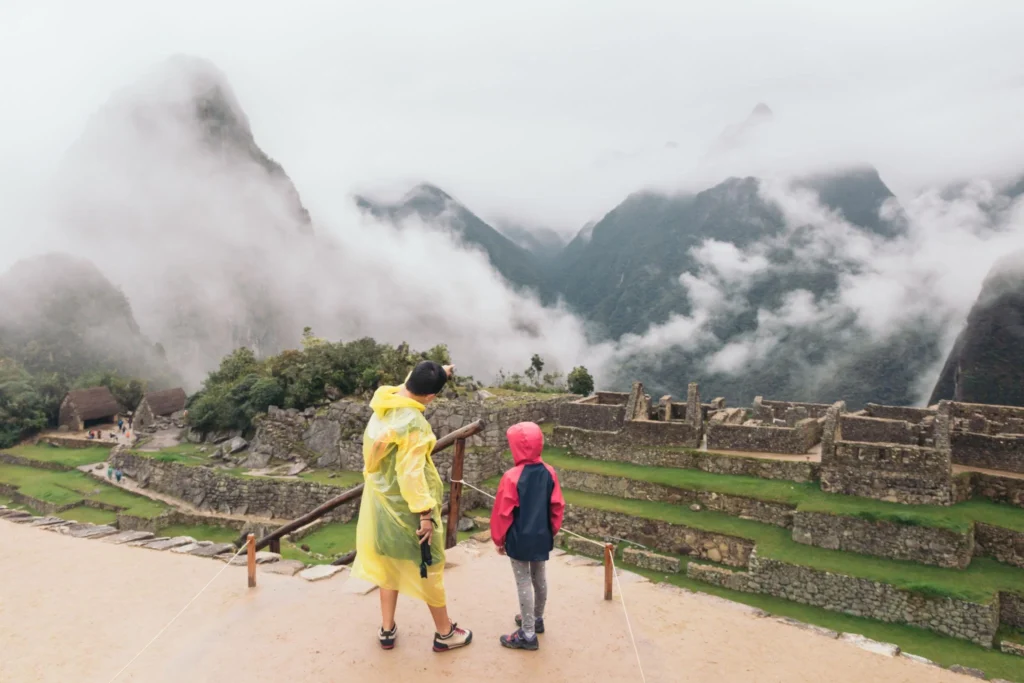
Tips for families traveling to Machu Picchu
Traveling to Machu Picchu as a family requires extra preparation, especially when traveling with children. The altitude, long travel times, and changing weather conditions should all be considered.
Recommendations for traveling with children
Children can enjoy the trip, but it is important to plan breaks and keep the itinerary flexible. Bringing snacks, water, and entertainment for the journey can help make travel smoother.
Altitude can affect younger travelers more strongly, so it is recommended to spend at least a couple of days in Cusco before heading to Machu Picchu to acclimatize properly.
Families should also consider slower-paced travel options rather than rushing through a one-day itinerary.
How to plan a more comfortable experience
Booking train seats with more space or opting for higher comfort classes can make a significant difference. Early morning departures are often less crowded and more comfortable.
It is also helpful to plan bathroom breaks and meal stops in advance, especially when traveling with small children. Flexibility is key to maintaining a positive experience throughout the journey.
Organizational tips for family trips
Organization plays a major role in family travel success. Packing light but efficiently helps reduce stress during transfers and station changes.
Keeping all tickets, passports, and reservations easily accessible is essential. It is also useful to assign simple roles to each family member to help manage small tasks during the trip.
Many travelers find inspiration in family travel quotes when planning meaningful experiences together, as they emphasize the importance of shared moments rather than strict schedules.
Common mistakes when traveling from Cusco to Machu Picchu
Even well-prepared travelers can make mistakes when planning how to get from Cusco to Machu Picchu. Being aware of common issues can help you avoid unnecessary stress.
Most frequent planning problems
One of the most common mistakes is booking transport too late, especially during high season. Train tickets and entrance passes can sell out quickly.
Another frequent issue is underestimating travel time. The journey involves multiple connections, and delays can happen due to weather or logistics.
Some travelers also fail to consider altitude acclimatization, which can affect energy levels and overall comfort during the trip.
How to avoid them and optimize your trip
Planning ahead is the best way to avoid complications. Booking tickets early, especially for trains and entrance slots, is essential.
It is also important to build buffer time into your itinerary. This allows flexibility in case of delays or unexpected changes.
Choosing reliable services such as Cusco tours can help streamline the experience, especially for first-time visitors who want a more structured approach.
You might also be interested in: What to do in Iquitos? Understanding the amazonian
Enjoy your travel!
Traveling from Cusco to Machu Picchu is more than a simple route; it is a journey that combines landscapes, history, and anticipation. Each stage of the trip adds to the overall experience, from the first departure in Cusco to the final steps inside the ancient citadel.
Whether you choose the train, a guided tour, or a more independent route, the key is to align your travel style with your expectations. Preparation makes a significant difference, especially in a destination where logistics and timing matter so much.
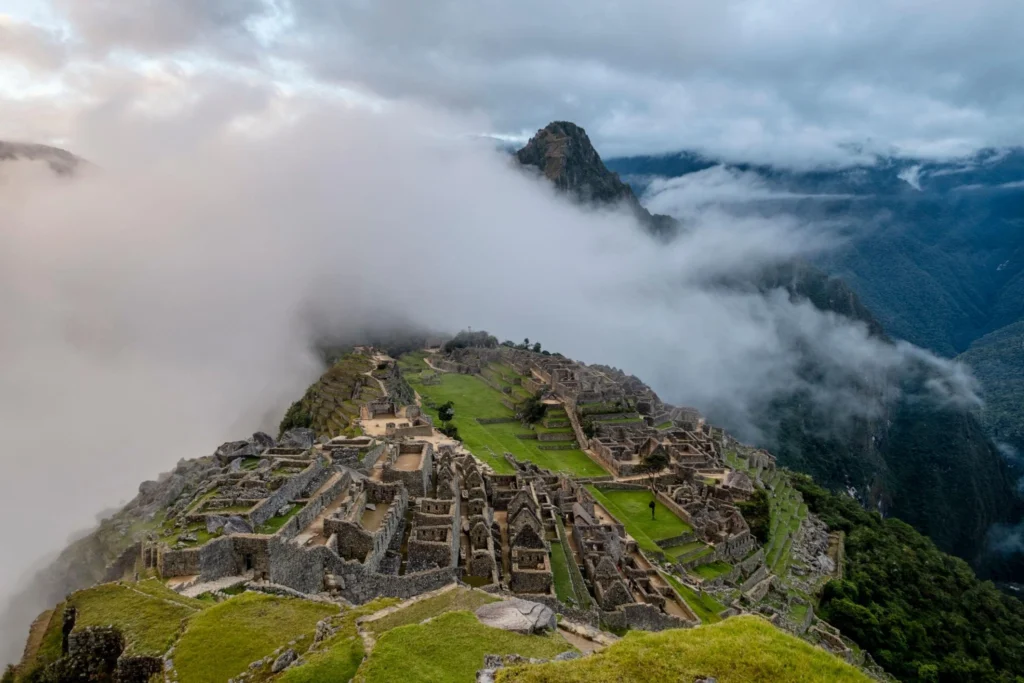
What stays with most travelers is not only the destination itself, but the way they arrive there. The changing scenery, the gradual transition into the cloud forest, and the final reveal of Machu Picchu create a memory that often feels larger than the journey itself.
Taking time to plan carefully ensures that the experience remains enjoyable, balanced, and meaningful from start to finish.
