
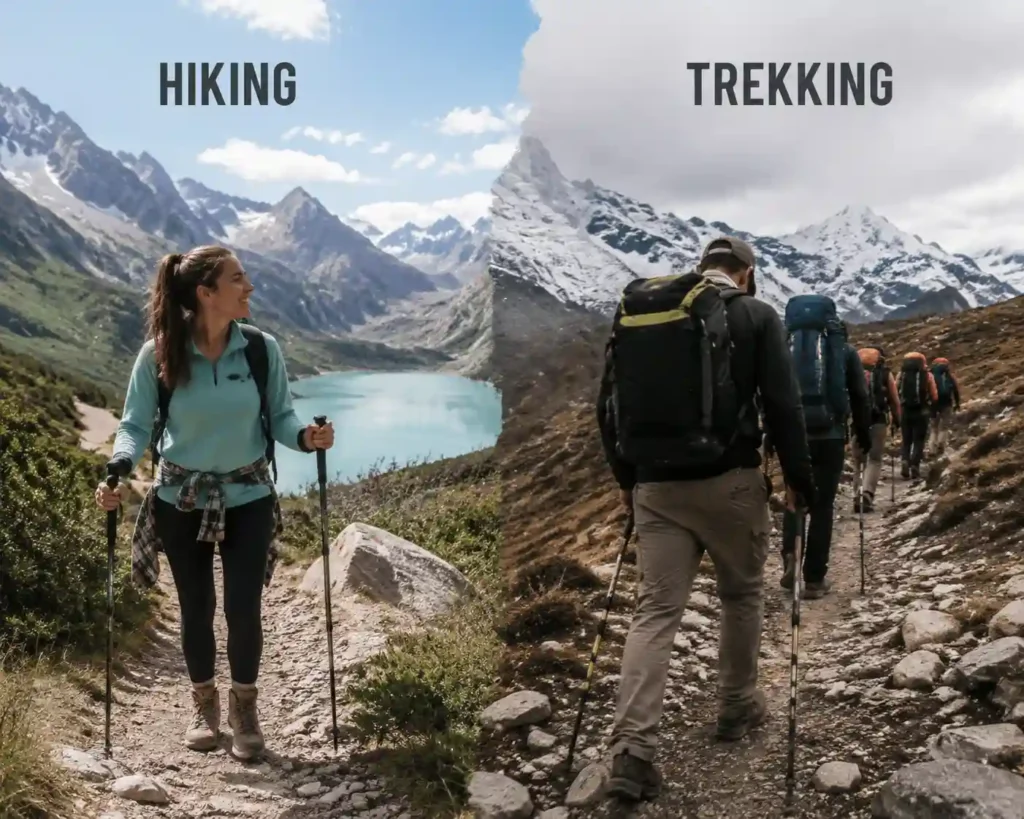
You’re probably a travel enthusiast, and if you’re planning your adventure in Peru, you’ll want to explain the most common differences: hiking vs trekking. Do you know the difference? In this article, we’ll help you understand it so you can choose the best experience for your trip, prepare yourself physically, organize your itinerary, and avoid surprises along the way. A half-day hike in the Andes is not the same as a multi-day trek across mountains over 4,000 meters high.
In this guide, we’ll explain clearly and practically what each type of activity means and which one best suits your trip to Peru.
You may also be interested in: How to get from Cusco to Machu Picchu: Transportation and best travel tips
What is hiking?
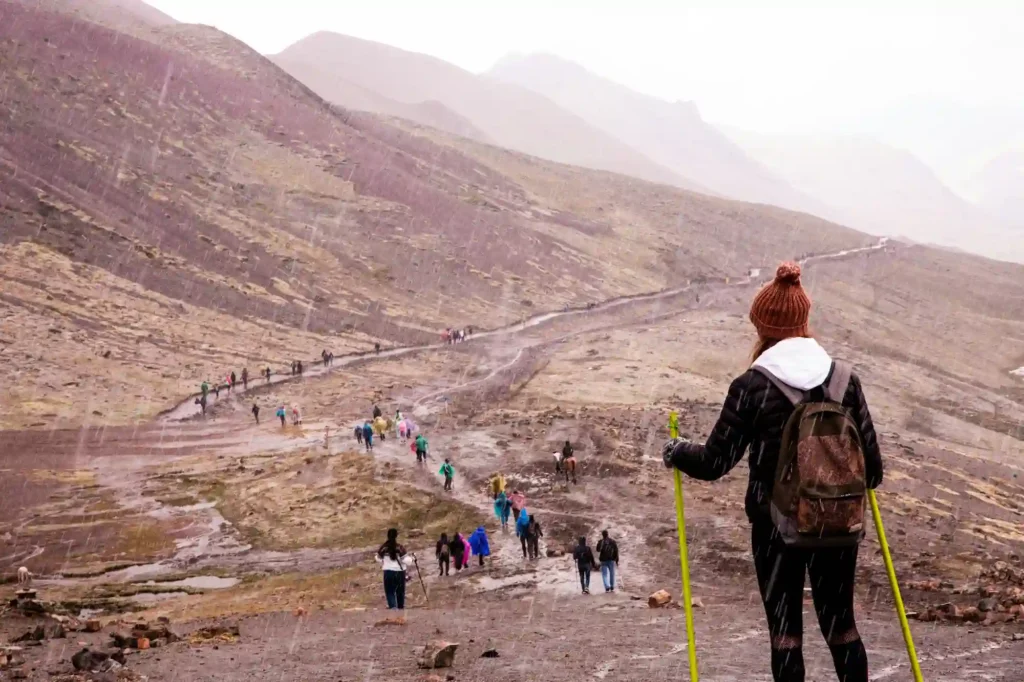
Hiking refers to a recreational walking activity carried out on established trails, typically lasting from a few hours to a full day. It is designed to be accessible, enjoyable and relatively low-risk, making it suitable for most travellers regardless of prior mountain experience.
Unlike more demanding mountain expeditions, hiking focuses on short to moderate journeys through natural landscapes such as valleys, hills, lakes and viewpoints. It is often undertaken at a steady pace, allowing participants to appreciate scenery without the need for advanced technical skills or specialised expedition planning.
Duration: typically 2 to 8 hours (occasionally a full day)
Follows well-marked and maintained trails
No need for camping or overnight logistics
Suitable for beginners and casual travellers
Requires only basic outdoor equipment (comfortable footwear, water, light layers)
Lower physical demand compared to high-altitude trekking
Examples of hiking in Peru
- Day hike to Humantay Lake
- Viewpoint walks in the Sacred Valley
- Short trails around Cusco city
- One-day Rainbow Mountain excursions
- Light nature walks in Andean valleys
You might also be interested in: Find out the best time to travel to Peru
What is trekking?
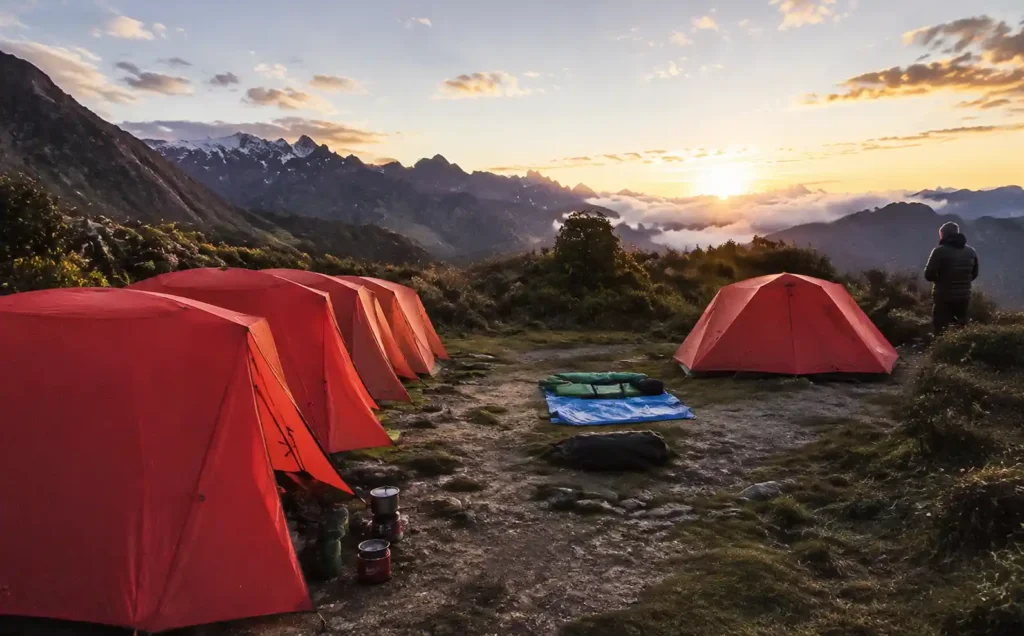
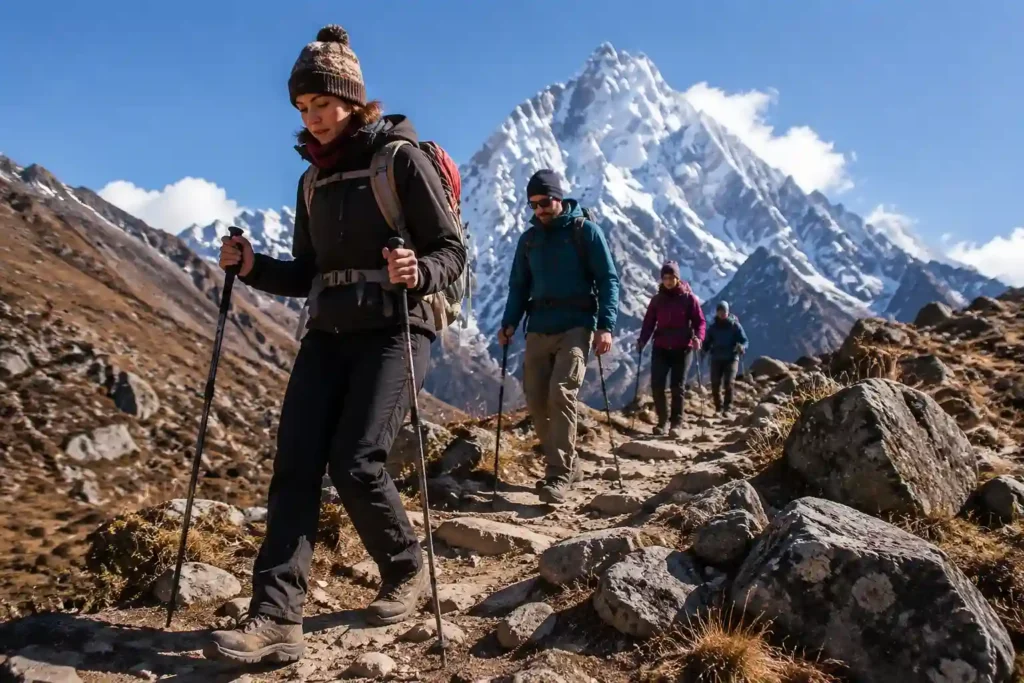
Trekking is a long-distance walking journey that typically spans multiple days and takes place across more remote, challenging and high-altitude environments. It is a more immersive form of travel that combines physical endurance, navigation through varied terrain and often overnight stays in camps or basic lodges.
Unlike hiking, trekking is not simply about walking for leisure; it is an expedition-style experience that requires preparation, stamina and adaptability to changing weather and altitude conditions.
In Peru, trekking routes are especially popular due to the Andes mountain range and iconic journeys leading towards Machu Picchu.
Key characteristics of trekking
Duration: 2 to 7 days (or longer)
Routes often pass through remote mountain regions
Requires overnight camping or basic accommodation
Higher physical demand and altitude adaptation needed
Requires specialised equipment (trekking boots, backpack, sleeping bag, thermal clothing)
Usually includes guide support and organised logistics
Examples of trekking in Peru
- Inca Trail to Machu Picchu
- Salkantay Trek
- Ausangate Circuit
- Lares Trek
You may also be interested in: Peru jungle tours everything you need to know
Hiking vs trekking: Key differences
Understanding the distinction between hiking vs trekking is essential when planning outdoor experiences in Peru, as both offer very different levels of intensity, preparation and commitment.
| Feature | Hiking | Trekking |
|---|---|---|
| Duration | Few hours to 1 day | Multiple days (2–7+) |
| Difficulty level | Low to moderate | Moderate to high |
| Terrain | Marked, accessible trails | Remote, mountainous routes |
| Physical demand | Light to moderate | High endurance required |
| Accommodation | Not required | Camps or lodges needed |
| Planning | Minimal preparation | Detailed logistics required |
| Experience type | Day excursion | Immersive expedition |
Duration of the experience
Hiking is generally completed within a single day, making it ideal for short excursions. Trekking, on the other hand, involves continuous walking over several days, often with overnight stops in remote locations.
Physical demand and fitness level
Hiking is suitable for most travellers with a basic level of fitness. Trekking demands significantly more endurance, particularly in high-altitude environments such as the Peruvian Andes, where altitude sickness can also be a factor.
Type of terrain and environment
Hiking routes are usually well-defined and relatively safe, often passing through valleys, lakes and viewpoints. Trekking routes are more varied and challenging, including steep ascents, mountain passes and less developed paths.
Planning and logistics
Hiking requires minimal preparation and can often be arranged spontaneously. Trekking requires careful planning, including permits, guides, equipment, food supply and accommodation arrangements along the route.
Overall travel experience
Hiking provides a short, rewarding nature experience with immediate return to base. Trekking offers a deeper, more immersive journey that allows travellers to disconnect from urban environments and experience the Andes in a more intense and continuous way.
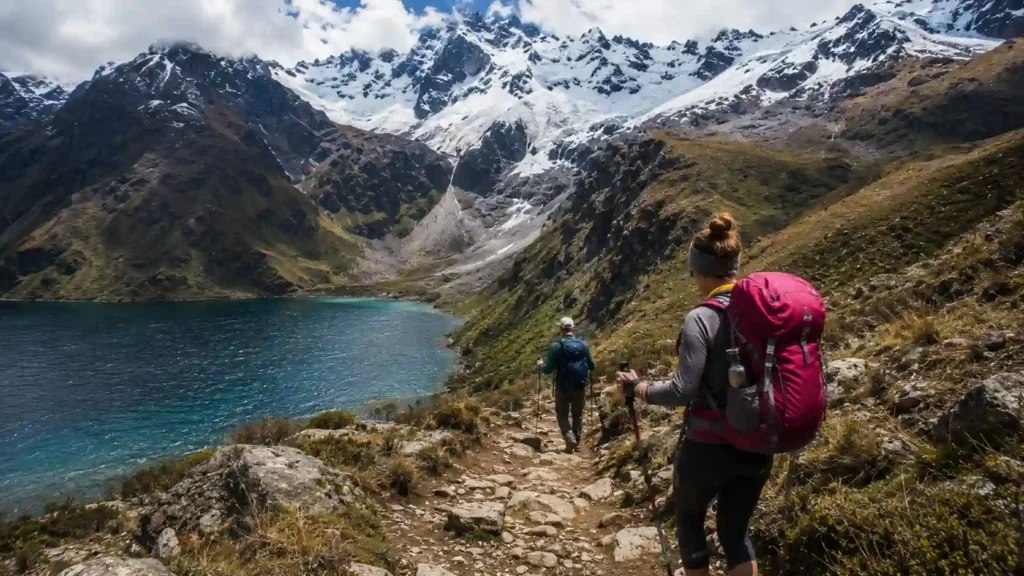
Hiking or trekking in Peru: which should you choose?
When deciding on hiking vs trekking in Peru, your choice will depend entirely on your travel style, fitness level and the kind of experience you are looking for. Both activities offer exceptional access to the Andes, but they differ significantly in intensity, duration and level of immersion.
If your itinerary is relatively short or you prefer a more relaxed pace, hiking is the most suitable option. It allows you to experience Peru’s landscapes, such as lakes, valleys and viewpoints, without the physical or logistical demands of multi-day expeditions. Hiking is also ideal if you are still adjusting to altitude or combining multiple activities within a single day.
Trekking, however, is designed for travellers seeking a more immersive and challenging adventure. It requires higher endurance, but rewards you with deeper exposure to remote Andean environments, including high mountain passes, isolated communities and multi-day trails leading towards iconic destinations such as Machu Picchu.
When to choose hiking
- You have limited time in Peru or a packed itinerary
- You are not yet acclimatised to high altitude
- You prefer lighter, less physically demanding activities
- You want flexibility to combine several experiences in one day
When to choose trekking
- You are looking for a full adventure experience in the Andes
- You have a good level of physical fitness and endurance
- You want to reach Machu Picchu via alternative scenic routes
- You are seeking a deeper, more immersive connection with nature and remote landscapes
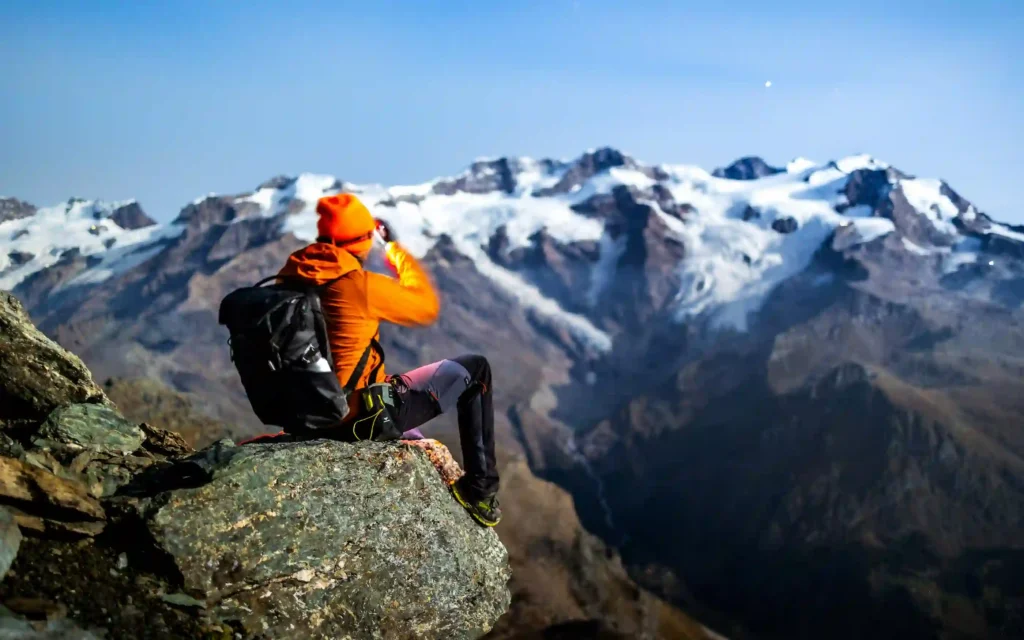
Expert tips for hiking and trekking in Peru
When comparing hiking vs trekking in Peru, it is important to remember that both activities often take place at high altitude and in rapidly changing mountain conditions. Proper preparation is essential not only for comfort, but also for safety and for enjoying the experience from start to finish.
1. Acclimatisation is essential
Many hiking and trekking routes in Peru exceed 3,000 metres above sea level, with some trekking passes reaching over 4,600 metres. Altitude sickness can affect anyone, regardless of fitness level. It is strongly recommended to spend at least 1–2 full days in Cusco or the Sacred Valley before undertaking any strenuous activity. During this time, take light walks, avoid alcohol and allow your body to adjust gradually.
2. Hydration and energy management
At altitude, the body loses fluids more quickly, and dehydration can intensify symptoms of altitude sickness. Drink water regularly throughout the day, even if you do not feel thirsty. For longer treks, consider electrolyte supplements or hydration salts to maintain energy levels and reduce fatigue.
3. Dress in layers (weather variability)
The Andean climate can shift dramatically within hours. A single day may include strong sun, cold wind and sudden rain. Wearing layered clothing allows you to adapt quickly. A recommended system includes a moisture-wicking base layer, an insulating mid-layer and a waterproof outer shell.
4. Proper footwear is non-negotiable
Good footwear is one of the most important safety factors. Hiking can sometimes be done with sturdy trainers, but trekking requires proper hiking boots with ankle support, grip and waterproof protection. Poor footwear significantly increases the risk of injury on uneven terrain.
5. Sun protection at high altitude
UV radiation is considerably stronger at high elevations. Even on cloudy days, sunburn is a real risk. Always carry high-factor sunscreen, lip balm with SPF, sunglasses with UV protection and a hat or cap.
6. Safety and guided support for trekking routes
For longer routes such as the Inca Trail or Salkantay Trek, travelling with a certified guide or licensed peru tour operator is essential. These professionals manage navigation, safety, permits, camping logistics and emergency response. Independent trekking is not recommended on regulated or remote routes.
7. Physical preparation before arrival
When comparing hiking vs trekking, physical preparation becomes especially important if you plan to choose a multi-day trekking route in Peru. It is advisable to train in advance, focusing on cardiovascular endurance, leg strength and long-distance walking. Even moderate preparation can significantly improve comfort, reduce fatigue and help you enjoy the experience more safely during multi-day hikes.
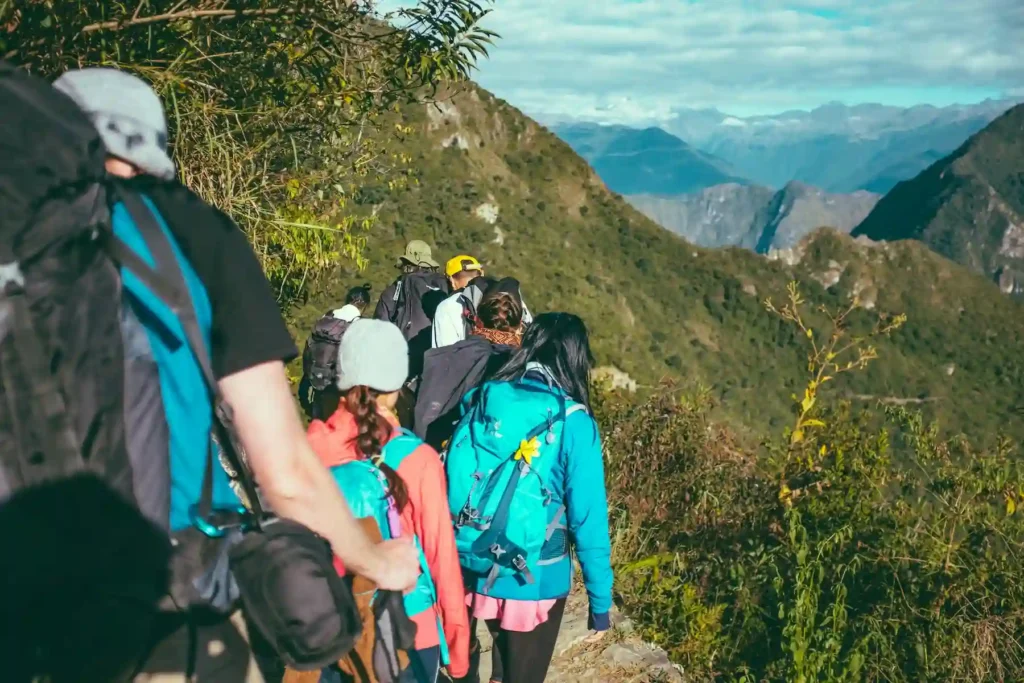
Frequently asked questions about hiking vs trekking
Below are some of the most common questions travellers ask when planning outdoor activities in Peru. These answers will help you understand what to expect and how to prepare effectively.
1. Are hiking and trekking the same?
No, they are distinct activities. Hiking refers to shorter walks completed within a single day, usually on well-marked trails with moderate difficulty. Trekking involves multi-day journeys through more remote terrain, requiring greater physical effort, preparation and often overnight camping.
2. Do I need experience to go trekking in Peru?
Previous trekking experience is not strictly required, but a reasonable level of fitness is essential. Most importantly, you should be comfortable walking long distances at high altitude. First-time trekkers are strongly advised to choose beginner-friendly routes and acclimatise properly before starting.
3. Which is more difficult: hiking or trekking?
Trekking is significantly more demanding than hiking. It involves longer distances, higher altitudes, changing weather conditions and consecutive days of physical exertion. Hiking, in contrast, is generally shorter and more accessible for beginners.
4. Can I do hiking in Cusco without a guide?
Yes, many hiking routes around Cusco and the Sacred Valley can be completed independently, especially shorter and well-marked trails. However, guided tours are often recommended for first-time visitors due to altitude, navigation and local insights.
5. What should I bring for hiking in Peru?
For hiking, you should carry water, sunscreen, a hat, comfortable walking shoes, light layered clothing and a waterproof jacket. Snacks and a small first-aid kit are also recommended for longer day hikes.
6. What is the best trekking route for beginners in Peru?
For beginners, the Lares Trek is often considered one of the most accessible multi-day options. Certain shorter versions of the Salkantay Trek are also suitable, as they offer impressive scenery without the full intensity of more advanced routes like the Classic Inca Trail.
