
If you ever want to visit Peru, we’d like to tell you that high in the Amazon mountains lies an archaeological gem that has begun to gain notoriety in recent years: the legendary Kuelap Fortress. This impressive stone structure, often compared to Machu Picchu, was built by the Chachapoyas culture around the 6th century AD and remained inhabited until the arrival of the Incas in the 15th century. So planning to visit Kuelap Fortress in 2025? Our complete guide has you covered! From the best ways to get there and ticket details to top tours in Peru.
The fortress stands out not only for its monumental architecture but also for its strategic location on a mountain ridge more than 3,000 meters above sea level, overlooking the region’s jungle landscape. In case you weren’t familiar with it, in this article we’ll tell you everything you need to know about Kuelap. Pack your bags, traveler!
History of the Kuelap Fortress
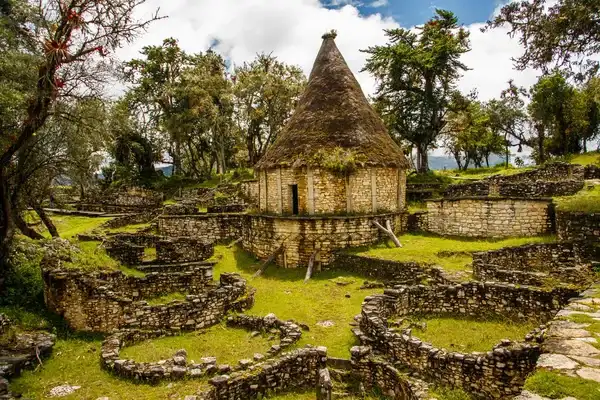
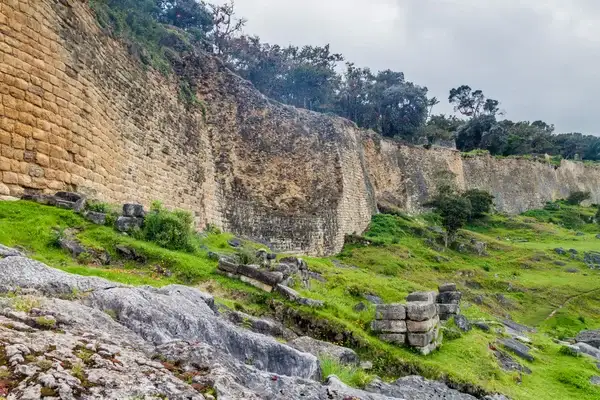
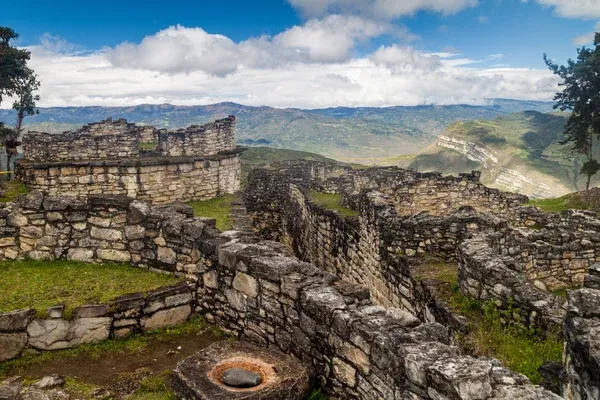
The Kuelap Fortress, located in the Amazon region of northern Peru, was built by the Chachapoyas civilization around the 6th century AD. This impressive stone complex, which stands more than 3,000 meters above sea level, serves as a defensive, political, and ceremonial center. The Chachapoyas, known as the “warriors of the clouds,” utilized advanced construction techniques, erecting massive walls up to 20 meters high and more than 400 circular structures. The fortress played a crucial role in the resistance against invaders, especially during the expansion of the Inca Empire in the 15th century.
Despite its historical significance, Kuelap was abandoned after the arrival of the Spanish conquistadors and remained hidden in the jungle for centuries. Rediscovered in the 19th century, the fortress has been the subject of archaeological excavations and today is one of Peru’s most fascinating destinations, attracting tourists and scholars interested in the history of the Chachapoyas. Kuelap remains a symbol of the strength and resilience of a forgotten civilization, whose monumental architecture and strategic location continue to impress those who visit.
Where is Kuelap located?
Kuelap is located in the Tingo district, in the Amazonas region of northern Peru. To get there, travelers usually depart from the city of Chachapoyas, the regional capital, and take land transportation to the town of Nuevo Tingo. From there, the fortress can be reached on foot or by a modern cable car, which offers spectacular views of the Utcubamba Valley.
When to go to Kuelap
If you’re planning a trip to Peru and looking to explore the wonders of its lesser-known gems, Kuelap Fortress should undoubtedly be on your radar. Nestled in the misty mountains of the Amazon region, this ancient site offers not only breathtaking views but also a glimpse into the fascinating Chachapoya civilization. But before you embark on this journey, it’s important to know the best time to visit Kuelap, as the weather and accessibility can significantly impact your experience. Let’s dive into the factors you need to consider when planning your visit to Kuelap Fortress.
Rainy vs. Dry Season
Just like many other destinations in Peru, Kuelap’s climate is divided into two main seasons: the rainy season and the dry season. Each of these has its pros and cons, so understanding what each season brings will help you decide when to go to Kuelap.
Rainy Season (November to March)
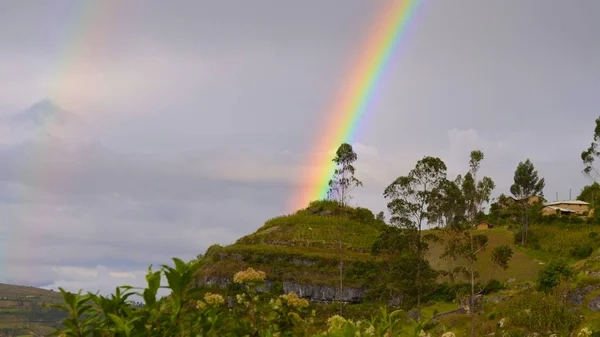
The rainy season in Kuelap runs from November to March, bringing frequent and intense showers. The region’s lush landscapes come to life with vibrant greenery, but the heavy rains can also create muddy trails, reduced visibility, and limited access to certain areas. If you don’t mind getting a little wet and prefer fewer tourists, this may be a more peaceful time to visit. However, the slippery conditions may make hiking and walking around the fortress more challenging.
Dry Season (April to October)
The dry season, from April to October, is generally the best time to visit Kuelap. During these months, there’s significantly less rain, making for clearer skies and more enjoyable hiking conditions. The dry weather allows you to explore the fortress with greater ease, as the trails are less slippery, and the views are unobstructed. This season is ideal if you want to capture stunning photographs of the fortress and the surrounding landscapes, as the visibility is at its peak.
You might also be interested in: Holy week in Peru 2025: 10 best destinations to visit
Temperature in Kuelap
The temperature in Kuelap remains relatively mild throughout the year due to its high altitude, situated at about 3,000 meters (9,843 feet) above sea level. Even during the warmer months, the temperature can fluctuate, so it’s crucial to be prepared for changes. Here’s a breakdown of what to expect:
Daytime Temperatures: Daytime temperatures can range from 18°C to 22°C (64°F to 72°F), making it comfortable for outdoor activities. However, temperatures can drop sharply in the evenings, so it’s important to bring layers.
Nighttime Temperatures: Nights can get chilly, with temperatures sometimes dropping to around 8°C to 12°C (46°F to 54°F), especially during the dry season. Be sure to pack a warm jacket or sweater to stay comfortable once the sun sets.
How to visit Kuelap Fortress in 2025
How to Travel to Kuelap
Traveling to Kuelap is an exciting experience, but due to its location in northern Peru, it requires a bit of planning. The fortress, located high in the Amazon mountains, is a fascinating destination for history, nature, and archaeology lovers. Fortunately, there are several options for reaching this impressive site, which vary depending on your departure point and the type of experience you’re looking for. Below, we explain how to get to Kuelap from different parts of Peru, detailing the most accessible routes, their costs, and travel times.
1. Via Jaén: The most direct route from Lima
One of the most convenient ways to get to Kuelap is to fly to Jaén (JAE), a city with daily direct flights from Lima (LIM). The flight takes approximately 1.5 hours, making it a quick and comfortable journey. Flights typically arrive in Jaén in the afternoon or evening, leaving you plenty of time to rest before continuing your journey.
From Jaén Airport, Chachapoyas is about a 4-hour drive away. From there, you can take local transportation or a taxi to the city. If you prefer a comfortable place to rest, the Gocta Andes Lodge is an excellent choice. This hotel is approximately 3.5 hours from Jaén, but offers a unique experience and spectacular views of the region.
2. Via Tarapoto: An alternative route through the jungle
If you prefer to explore more of the Peruvian jungle, another option is to fly to Tarapoto (TPP), which also has daily flights from Lima. This flight lasts one hour and takes you to Tarapoto, a city located in the Peruvian Amazon. Upon arrival, you must spend a night in Tarapoto before continuing your journey. Don’t confuse this with another Peruvian jungle wonder, such as the Manu Jungle Trip. Kuelap is located in the north of the jungle, so it’s important to follow their recommendations.
The next day, you will take an approximately 8-hour drive to Chachapoyas. During the journey, you’ll have the opportunity to enjoy the biodiversity of the Alto Mayo Protected Forest, a natural area full of exotic flora and fauna. This trip will allow you to delve into the heart of the Peruvian jungle before reaching the Kuelap fortress, making it both a cultural and natural experience.
3. Via Chiclayo: A combined flight and bus trip
Another common route is to fly to Chiclayo (CIX), a coastal city in northern Peru, from where you can continue your journey to Chachapoyas. Daily flights from Lima to Chiclayo take 1.5 hours, making this a convenient option. From Chiclayo, you’ll take an overnight bus that will take you to Chachapoyas, a journey of approximately 10 hours.
Although you can arrive directly to Kuelap on the day of your arrival, it’s advisable to rest before exploring the fortress, as the bus ride is often long and bumpy. If you have time, it’s best to make the trek to Kuelap the next day, rested and ready to enjoy this archaeological wonder.
4. Via Chachapoyas: Direct access to the heart of the region
The closest option to reach Kuelap is to fly directly to Chachapoyas (CHH), although flights from Lima are limited and only operate two or three times a week. This route is operated by Atsa Airlines, a national airline that uses small aircraft such as the Bombardier Q400, which seats up to 76 passengers. Although this route is shorter and more convenient, the frequency of flights limits travelers’ flexibility.
Chachapoyas Airport is just a 15-minute drive from the city center, making it easy to access the region. It’s also about an hour away from Gocta Andes Lodge, a popular place to stay. Currently, efforts are underway to expand the airport and allow for larger aircraft and more flights, which will improve access to the area for future tourists.
You might also be interested in: Glamping Cusco Peru | Where luxury meets the Andes

Important tips for planning your trip to Kuelap fortres
- Climate and season: The best time to visit Kuelap is during the dry season, which runs from April to October. During these months, rain is less frequent and the routes to Kuelap are more accessible. During the rainy season (November to March), weather conditions can make access to the fortress difficult and make the paths more slippery.
- Recommended clothing: Although the climate in Kuelap is temperate, it is always important to bring appropriate trekking clothing and a raincoat, as rain is common in the region, even outside of peak season.
- Local transportation: While there are cable cars, taxis, and local buses, it is advisable to hire a tour guide if you are unfamiliar with the area. Local guides will give you a deeper insight into Kuelap’s history and Chachapoyas culture, enriching your experience.
How to visit the Kuelap fortress
We’ll tell you how to make the most of your visit. It’s important to know some details about how to get there, prices, guides, rules, and options for exploring this fascinating archaeological site.
Access to the Kuelap fortress depends on whether you are a domestic or foreign tourist:
- General admission (for international tourists): $10.53 USD
- General admission (for domestic tourists): $7.89 USD
This price gives you access to the archaeological site and allows you to explore the impressive wall and circular structures that date back more than 1,400 years. The price is quite affordable, especially considering the site’s invaluable historical and cultural heritage.
If you prefer a more personalized experience, there is also the option of booking an entrance package that includes the services of a local guide. These guides are experts in the history of Kuelap and can offer a much richer experience by explaining in detail the structures, the customs of the Chachapoyas, and the mysteries that still surround the fortress.
Local guides at the fortress
One of the best ways to explore Kuelap is by hiring a local guide. These guides are passionate about the history of the fortress and the culture of the Chachapoyas, the civilization that built it. They will guide you through the site, sharing stories, interesting facts, and secrets you might otherwise miss. Tour services cost approximately $13.16 to $26.32.
Hiring a guide is recommended, as it will allow you to better understand the historical significance of the site, from architectural details to theories about the fortress’s purpose and its abandonment. Additionally, local guides are an excellent way to support the region’s economy and contribute to the preservation of this heritage.
Rules you should know about the Kuelap Fortress
To protect the site and ensure a respectful experience with history and nature, there are some basic rules you should follow when visiting Kuelap Fortress:
- Food and drinks are not allowed inside the grounds to prevent littering.
- Respect the vegetation surrounding the fortress. Although Kuelap is surrounded by lush nature, it is important not to damage the local plants and trees.
- Restricted access to certain areas: Some areas of the fortress are restricted to preserve their integrity. Don’t worry, but always follow the instructions of your guide and the staff.
- It is recommended to wear comfortable clothing, suitable walking shoes, and sun protection, as some areas of the trail can be challenging for those unfamiliar with hiking.
You might also be interested in: Top 5 Inca trail tours to surprise your mom this Mother’s Day
Kuelap Tours
The Kuélap Fortress is one of Peru’s most fascinating archaeological sites, and discovering it on a Kuélap tour is an unforgettable adventure. Discover the most famous related tours you can take near Chachapoyas.
1. Kuelap Fortress Tours
A Kueap tour typically includes a guided tour of the fortress, where you’ll learn about the impressive architecture and history of the Chachapoya culture. These tours typically begin with a trip to Nuevo Tingo, where you’ll take the Kuélap cable car to the fortress, offering stunning views of the Utcubamba Valley.
Duration: The visit to the fortress typically lasts 3 to 4 hours.
What’s included:
- Guided tour of the fortress and its main elements, such as the circular buildings, the main wall, and the ceremonial areas.
- Cable car ride from Nuevo Tingo to Kuélap.
- Historical background on the Chachapoya people, their way of life, and the importance of the fortress.
- Tour guides, often locals, enrich the experience by sharing their in-depth knowledge of Kuélap’s history, myths, and archaeological significance.
2. Gocta Waterfall Tour
Located near Kuélap, Gocta Waterfall is one of the tallest waterfalls in the world, reaching an impressive height of 771 meters. A visit to Gocta is often included in many tours to Kuélap, as it is a short drive from the fortress.
Tour Highlights:
- Hike through lush forests to reach the base of the waterfall.
- Learn about the local flora and fauna while exploring the beautiful Amazonian landscapes.
- Refreshing views of the waterfall and the surrounding mountains.
3. Chachapoyas City Tour
Chachapoyas, the closest city to Kuélap, is an excellent starting point for your adventure in the Amazon region. Many tour operators offer a Chachapoyas city tour, which includes visits to some of the area’s main attractions:
Main Attractions:
- Leymebamba Museum: Houses mummies and artifacts from the Chachapoya culture.
- Karajía Sarcophagi: Pre-Incan funerary structures located on a cliff, showcasing the incredible funerary traditions of the Chachapoya people.
4. Alto Mayo Protective Forest Tour
If you are a nature lover, a tour to Alto Mayo Protective Forest is a must. Located on the route to Kuélap, this lush forest is home to an incredible variety of wildlife, including various species of birds and orchids.
Tour Highlights:
- Bird and wildlife watching, including the cock-of-the-rock (Peru’s national bird).
- Explore trails that lead to waterfalls and panoramic viewpoints.
- Experience the biodiversity of the Amazonian foothills.
5. Manu Jungle Tour
To explore the Amazon in depth, consider adding a Manu Jungle Tour to your itinerary. Manu National Park, located south of Kuelap, is one of the most biodiverse areas in the world and offers a completely different adventure.
What’s included:
- Wildlife viewing: See monkeys, jaguars, tapirs, and an incredible variety of bird species.
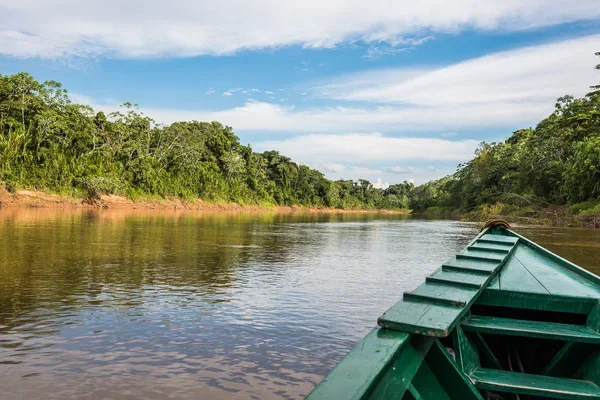
- River trips: Cruise the Manu River in traditional boats.
- Cultural immersion: Learn about the indigenous communities that inhabit the jungle.
Manu is ideal for those looking to immerse themselves in the Amazonian experience, offering a comprehensive tour of one of the most unique ecosystems on the planet.
You might also be interested in: 25 best apps for trekking in Peru
Things you should do in Kuelap
Visiting the Kuélap Fortress is an unforgettable experience, not only for its historical significance but also for the stunning natural beauty that surrounds it.
- You should definitely explore the Fortress Walls: Kuélap’s massive stone walls, up to 20 meters high, are the first thing that will catch your eye. Walk through these ancient fortifications and imagine how they protected the Chachapoya civilization. The views from the walls, overlooking the jungle-covered mountains, are breathtaking.
- Visit the Circular Buildings: Inside the fortress, you’ll find more than 400 circular structures. These were used for both housing and ceremonies. Take some time to wander through these well-preserved stone huts, which tell the story of the Chachapoyas’ advanced architectural skills.
- Admire the Views from the Tower: The central tower offers some of the best panoramic views of the surrounding area. It’s an ideal place for taking photos, as it offers a perfect combination of nature and ancient history.
- Learn about Chachapoyas culture: Kuélap is the heart of the Chachapoyas, and a visit to the site gives you the opportunity to understand their way of life. Hiring a local guide can help you understand the historical and cultural significance of the site, especially in relation to the people who built it.
- Take the famous cable car: Kuélap’s modern cable car, which takes you from Nuevo Tingo to the fortress, is not only a convenient way to get there but also offers spectacular views of the valley and surrounding mountains. It’s a unique experience that gives you a bird’s-eye view of the lush landscape.
Kuelap vs. Machu Picchu
| Machu Picchu | Kuelap |
|---|---|
| Location Machu Picchu is located in the Sacred Valley of the Incas, surrounded by lush cloud forests and towering peaks, near the town of Aguas Calientes. | Location Kuelap, on the other hand, is perched on a mountain in the Amazon region, surrounded by misty jungles and distant peaks, offering a more peaceful and remote experience. |
| Visitorship Machu Picchu is one of the world’s most visited tourist attractions, often overcrowded with visitors from all over the world. | Visitorship Kuelap, although growing in popularity, remains much less crowded, making it a perfect destination for those seeking a more peaceful and immersive experience. |
| Cultural Significance Machu Picchu was built by the Inca Empire, and much of its history is tied to their civilization. | Cultural Significance Kuelap was built by the Chachapoya people, a lesser-known but equally fascinating culture, offering visitors the opportunity to explore a completely different side of Peru’s pre-Columbian past. |
| Accessibility Machu Picchu is easily reached by train and bus from Aguas Calientes, making it a relatively simple trip. | Accessibility Kuelap, while more accessible via cable car, requires a bus ride from Chachapoyas, which can take several hours. |
You might also be interested in: Travel photography in Peru: 15 best places for photographic tourism
Kuelap fortress facts
- Did you know? Kuelap was built around the 6th century by the Chachapoya civilization and is considered one of the largest and most impressive pre-Incan structures in South America, known for its imposing stone walls and circular buildings.
- The fortress is over 600 meters long, with some walls reaching up to 20 meters high. Within the walls, more than 400 buildings stood, including residential and ceremonial structures.
- Cultural Heritage: Kuelap was not only a defensive structure but also a spiritual center for the Chachapoya people. The fortress is believed to have hosted religious ceremonies and political meetings, and many of its circular buildings likely served as temples and administrative spaces.
- While the Chachapoyas were building Kuelap, the Inca Empire conquered the region in the 15th century. Despite the Inca influence, Kuélap was never completely destroyed and retained much of its unique architecture.
- Furthermore, the fortress remained virtually forgotten until its rediscovery in the 19th century. Since then, excavations and conservation efforts have brought the site into the spotlight, making it a popular, though still relatively unknown, destination for travelers.
Pack your bags and travel to the Kuelap fortress
Visiting Kuelap Fortress is like immersing yourself in the rich history of a civilization that left its mark on the Peruvian mountains. Remember, dear traveler, that by walking within its imposing walls and admiring the panoramic views, you’re not just exploring an archaeological site, but rather experiencing something that connects the past with the present. So, if you’re looking for a unique destination, far from the crowds, Kuelap offers just that. Don’t hesitate, plan your visit, and be amazed by Kuelap’s majesty. Your adventure awaits in Peru!
