
Facts about Peru reveal a country that goes far beyond its most famous landmarks. From ancient civilisations and living traditions to extreme geographical diversity, Peru offers a depth of stories that often surprises first time visitors. It is a place where history and nature are closely connected, shaping experiences that feel both authentic and memorable.
Travelling through Peru means discovering a destination that constantly challenges expectations. Each region introduces something different, whether it is cultural heritage in the Andes, biodiversity in the Amazon, or coastal landscapes shaped by time. These layers of identity are what make Peru such a compelling country to explore.
You might also be interested in: Zoos in Peru: top 5 wildlife parks, animals, and conservation experiences
Why Peru is full of fascinating facts and curiosities?
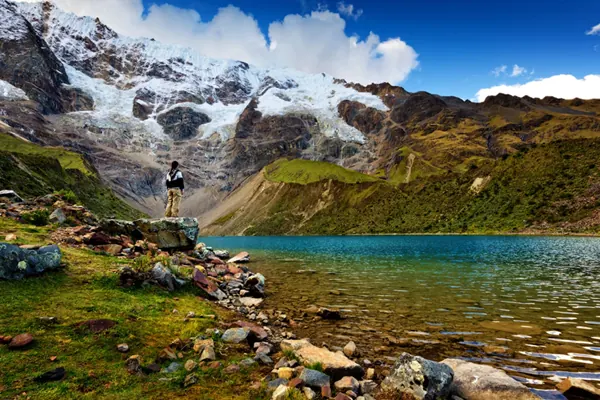
Peru is a country where every region feels like a completely different world. From the coastal desert landscapes to the high Andes and the depths of the Amazon rainforest, its geography has shaped not only how people live but also how traditions, beliefs and daily life have evolved over thousands of years. This natural diversity is one of the main reasons why so many facts about Peru feel so surprising and varied.
Beyond its landscapes, Peru carries a deep historical legacy that continues to influence its identity today. Ancient civilisations, colonial heritage and living indigenous cultures all coexist, creating a rich cultural fabric that travellers can still experience first hand. This blend of history and nature is what makes exploring the country feel like uncovering stories at every step.
A country shaped by history, geography, and living cultures
Peru’s identity has been shaped by a long timeline of civilisations, from early settlements to the Inca Empire and beyond. Each period has left its mark on architecture, language and traditions, which can still be seen in many parts of the country today. This layered history is one of the reasons why travellers often encounter unexpected facts about Peru when they begin to explore beyond the usual highlights.
At the same time, geography plays an equally important role in shaping life across the country. The Andes divide regions and climates, while the Amazon influences biodiversity and local customs. Even routes such as the bus from Lima to Huacachina reflect this diversity, connecting coastal landscapes with desert environments. This combination of natural barriers and varied ecosystems has created unique communities that preserve distinct ways of living, making Peru a place where cultural identity feels deeply connected to the land.
Why travelers find Peru so rich in unique stories and discoveries?
Travellers are often drawn to Peru because it offers more than just famous landmarks. It is a destination where every journey reveals something new, whether it is a traditional market in the highlands, an ancient archaeological site hidden in the mountains, or a remote village along the river. These experiences create a sense of discovery that goes beyond typical tourism.
This sense of exploration is also why so many people search for facts about Peru before visiting. The country constantly challenges expectations with its mix of ancient heritage, living culture and natural diversity. For many visitors, the real value of Peru is not only what they see, but the stories they collect along the way, which stay with them long after the trip ends.
You might also be interested in: What to do in Iquitos? Understanding the amazonian
Top 10 amazing facts about Peru that you should know before visiting
Understanding a destination often begins with the small details that make it unique. Peru is a country full of contrasts, where ancient history, natural diversity and living traditions come together in ways that continue to surprise travellers. These facts about Peru help explain why it has become one of the most fascinating destinations in South America.
Before visiting, it is worth looking beyond the landscapes and famous landmarks to appreciate the cultural and natural richness that defines the country. Each fact reveals a different layer of identity, offering a clearer picture of what makes Peru such a remarkable place to explore.
1. Peru is home to Machu Picchu, one of the New Seven Wonders of the World
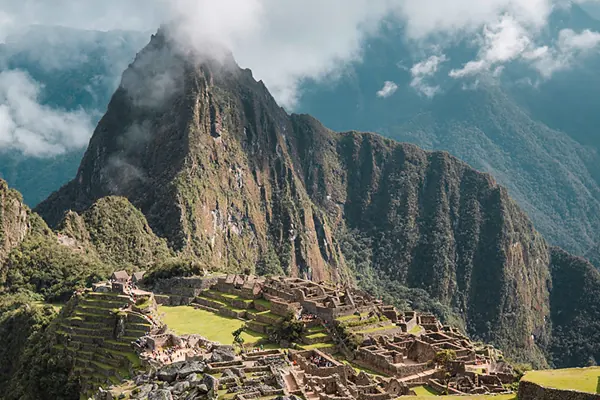
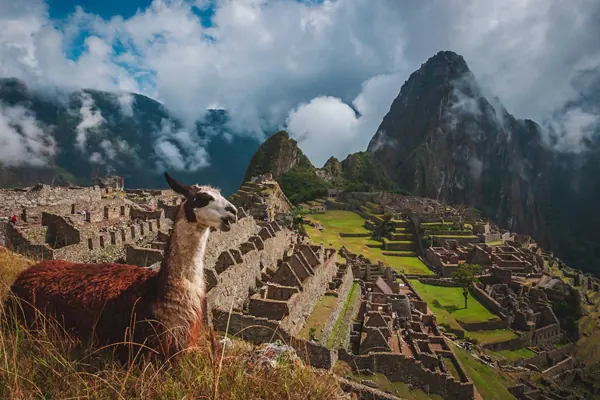
Machu Picchu is one of the most recognised archaeological sites in the world and a symbol of the Inca civilisation. Located high in the Andes, it continues to attract travellers who are drawn by its mystery, history and breathtaking surroundings. Its recognition as one of the New Seven Wonders of the World reflects its global cultural importance.
Beyond its fame, Machu Picchu also represents the engineering skill and spiritual vision of the Incas. The precision of its construction, combined with its natural setting, makes it one of the most impressive examples of ancient architecture still preserved today.
2. Peru has one of the highest levels of biodiversity on Earth
Peru is considered one of the most biodiverse countries in the world due to its wide range of ecosystems. From the Amazon rainforest to the Andes mountains and coastal deserts, the country supports an extraordinary variety of plant and animal life. This natural richness is one of the most remarkable facts about Peru.
Each region offers a different environment, allowing thousands of species to thrive in unique conditions. This diversity not only makes Peru a key destination for nature lovers but also highlights its global environmental importance.
3. The Amazon River begins in Peru
The Amazon River, the largest river system in the world, has its origins in the Peruvian Andes. From there, it flows across South America, eventually reaching the Atlantic Ocean. This geographical fact highlights Peru’s essential role in one of the most important natural systems on the planet.
The river’s early stages in Peru are surrounded by high mountains and dense ecosystems, creating a dramatic contrast before it expands into the vast Amazon basin. This journey reflects the country’s powerful connection to nature.
4. Peru is home to Caral, one of the oldest civilizations in the Americas
Caral is one of the earliest known urban centres in the Americas, dating back more than 5,000 years. Located in the Supe Valley, it offers valuable insight into pre Inca civilisations and their way of life. Its discovery changed the understanding of ancient history in the region.
The site shows that complex societies existed in Peru long before the Inca Empire. Its pyramids and ceremonial spaces reflect a sophisticated level of organisation and cultural development for its time.
5. Peru has three official languages
Peru officially recognises Spanish, Quechua and Aymara as its national languages. This linguistic diversity reflects the country’s multicultural identity and strong indigenous heritage. It is one of the clearest examples of how history continues to shape modern Peru.
In many regions, especially in the Andes, indigenous languages are still widely spoken in daily life. This creates a cultural richness that visitors often find both surprising and meaningful.
You might also be interested in: A Complete guide to exploring adventures in Peru
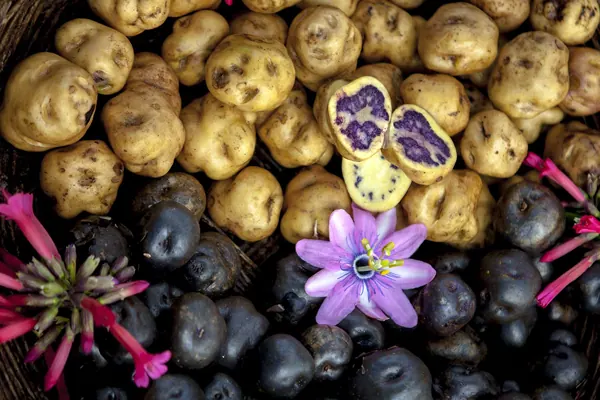
6. Peru has more than 4,000 varieties of potatoes
The potato originated in the Andes, and Peru remains one of the countries with the greatest diversity of this crop. With thousands of native varieties, it plays a central role in both agriculture and cuisine. This is one of the most interesting facts about Peru for food enthusiasts.
Each variety has its own colour, texture and flavour, adapted to different altitudes and climates. This agricultural diversity reflects centuries of traditional farming knowledge.
7. Peruvian cuisine is globally recognised
Peruvian gastronomy is considered one of the most dynamic in the world, combining indigenous ingredients with influences from Spanish, African and Asian cultures. This fusion has created a unique culinary identity that continues to gain international recognition.
Dishes such as ceviche and traditional Andean recipes showcase the country’s creativity and diversity. Food in Peru is not only a cultural expression but also an important part of its tourism appeal.
8. Peru is divided into coast, Andes, and Amazon regions
The country is naturally divided into three main geographic zones, each with its own climate and lifestyle. The coastal region is known for its deserts and cities, the Andes for its mountains and traditions, and the Amazon for its rainforest and biodiversity.
This division shapes everything from agriculture to culture, making Peru a country of constant contrasts within relatively short distances.
9. Peru is home to unique wildlife species
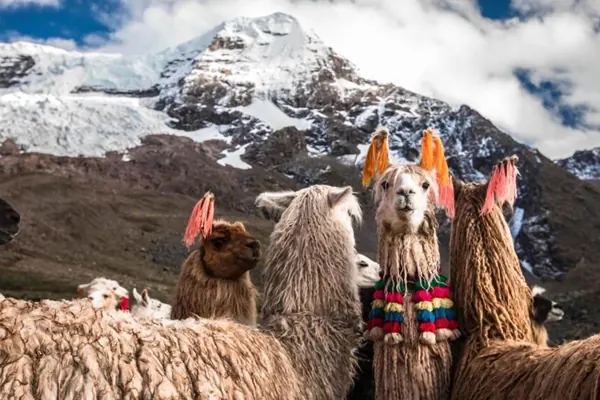
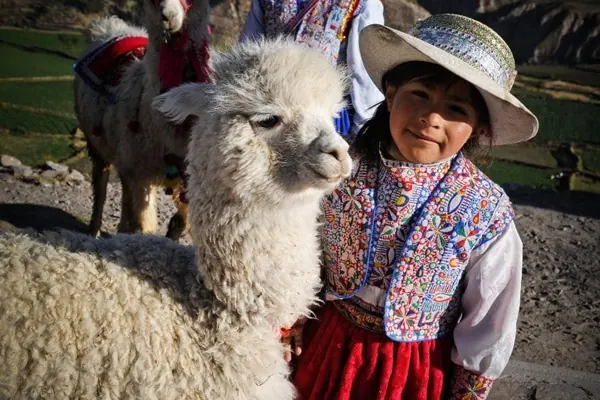
Peru’s ecosystems support a wide range of wildlife, including species that cannot be found anywhere else in the world. Animals such as llamas, alpacas and pink river dolphins are part of its natural identity.
These species have adapted to the country’s diverse environments, from high mountain ranges to tropical forests. This makes Peru an important destination for wildlife observation and conservation.
10. Ancient traditions are still part of daily life in Peru
Many cultural traditions in Peru have been preserved for centuries and continue to be part of everyday life. Festivals, textiles and rituals reflect a strong connection to ancestral heritage that remains visible today.
These traditions are not only maintained in rural areas but are also present in cities, where modern life coexists with cultural roots. This balance between past and present is one of the most distinctive aspects of the country.
You may also be interested in: Peru jungle tours everything you need to know
Common misconceptions about Peru that are not true
When people first research facts about Peru, it is common to come across simplified or incomplete ideas about the country. These assumptions often come from limited travel information or from focusing only on the most famous destinations. However, Peru is far more diverse and complex than many travellers initially expect.
Understanding these misconceptions helps create a more realistic view of the country before visiting. The more you explore verified facts about Peru, the clearer it becomes that its geography, culture and lifestyle are much more varied than popular stereotypes suggest.
Peru is only Machu Picchu
One of the most common misconceptions found when reading facts about Peru is the idea that Machu Picchu represents the entire country. While it is one of the most iconic landmarks in the world, Peru offers a wide range of destinations that go far beyond this archaeological site.
From the Amazon rainforest to the coastal cities and Andean villages, the country is filled with cultural and natural attractions. Even though many travellers begin by exploring Machu Picchu packages, limiting Peru to a single destination ignores the richness and diversity that make travelling through the country such a complete experience.
Peru is mostly desert and dry
Another frequent misconception when people look up facts about Peru is the belief that it is mainly a dry desert country. While the coastal region does include desert landscapes, this represents only a small part of its overall geography.
Peru also includes the Andes mountains and the Amazon rainforest, both of which are rich in vegetation, wildlife and rainfall. This extreme environmental diversity is one of the reasons why facts about Peru are so varied and often surprising for first time visitors.
More surprising things about Peru that travelers often don’t expect
Beyond the well known highlights, there are many lesser known facts about Peru that continue to surprise travellers. These details reveal just how diverse the country is, not only in terms of landscapes but also in climate and cultural experiences.
Many visitors arrive with certain expectations, but quickly realise that Peru offers far more variety than they imagined. These unexpected elements are part of what makes discovering facts about Peru such a rewarding experience.
Peru has more than 50 microclimates
One of the most surprising facts about Peru is its incredible range of microclimates. Because of its geography, the country contains dozens of different climate zones, each with its own weather patterns and environmental conditions.
This means that in a relatively short distance, travellers can move between very different climates. This variety influences agriculture, culture and daily life, making Peru one of the most geographically diverse countries in the world.
You can experience completely different landscapes in a single trip
Another fascinating fact about Peru is how quickly its landscapes change as you travel. In a single journey, it is possible to move from coastal deserts to high mountain ranges and then into lush rainforest environments.
This geographical contrast is one of the reasons why many travellers describe Peru as a country of constant discovery. Experiences such as a Rainbow Mountain Peru tour highlight just how varied the landscapes can be within a single journey. Each region offers a completely different perspective, reinforcing how diverse and layered the facts about Peru truly are.
You might also be interested in: Find out the best time to travel to Peru
Why Peru is more than just a destination?
Exploring facts about Peru helps reveal why the country is much more than a typical travel destination. It is a place where ancient history, cultural richness and natural diversity coexist in a way that continues to inspire travellers from around the world. Every experience adds a new layer to its identity, making each visit unique.
More than just a location to visit, Peru is a country to understand and experience deeply. Its landscapes, traditions and stories create a journey that stays with travellers long after they leave, turning every trip into something meaningful and memorable.
