
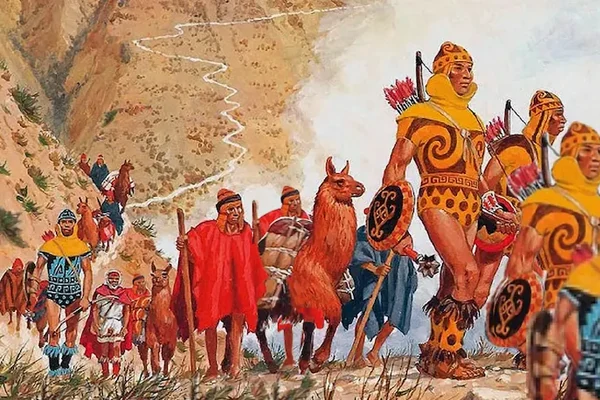
Facts about Inca culture reveal much more than the achievements of an ancient civilisation. They offer a closer look at the language, agriculture, craftsmanship, community life, and traditions that shaped one of the most influential societies in South America. Many of these cultural elements remain visible in Peru today, particularly throughout the Andes.
For travellers, learning about this heritage can add greater meaning to a journey through Peru. From archaeological sites and historic cities to local communities and traditional celebrations, the country’s living culture provides many ways to connect with the history of the Incas and understand its influence on Peru today.
You might also be interested in: Peruvian potatoes: Guide complete 2026
What made Inca culture unique?
The Inca civilisation developed a distinctive culture shaped by the geography of the Andes and the many communities that became part of the empire. Its influence extended across large areas of western South America, creating a society where language, agriculture, craftsmanship, community life, and traditions were closely connected. Understanding these facts about Inca culture helps travellers appreciate the complexity of a civilisation that adapted successfully to one of the most challenging environments in the Americas.
What makes Inca culture particularly fascinating is the way its influence can still be seen today. Languages, agricultural practices, textile traditions, and community customs continue to form part of life in the Andes. Many of the facts about Inca culture are therefore not only connected to the past, but also to traditions and practices that remain relevant in Peru today.
10 interesting facts about Inca culture you should know
There is much more to Inca culture than the archaeological sites left behind by the empire. The civilisation developed sophisticated approaches to administration, agriculture, communication, craftsmanship, and community organisation, allowing it to manage an enormous territory across the Andes. These facts about Inca culture provide a closer look at how Inca society worked and why its influence remains significant.
From the way communities organised their responsibilities to the methods used to transport information and cultivate difficult landscapes, each fact reveals another aspect of Inca life. Learning about these details can make visits to places such as Cusco, the Sacred Valley, and other archaeological sites more meaningful by providing greater context about the people who built and lived within this civilisation.
1. The Incas built one of the largest empires in the Americas
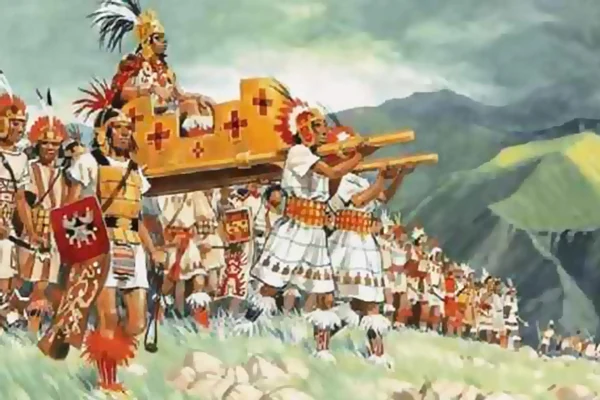
One of the most important facts about Inca culture is the extraordinary scale of the empire. At its height, the Inca Empire extended across much of the Andes, covering parts of what are now Peru, Ecuador, Bolivia, Chile, Argentina, and Colombia. Known as Tawantinsuyu, the empire was divided into four main regions connected to Cusco, its political and administrative centre.
Managing such a large territory required effective administration and communication. The Incas incorporated many different communities into the empire, sometimes through alliances and negotiation and sometimes through military expansion. This diversity helps explain the complexity of Inca society and the wide range of cultural influences found throughout its territory.
2. Quechua was widely spoken across the Inca Empire
Language is another fascinating aspect of Inca history. Quechua became widely used across the Inca Empire and helped facilitate communication between communities in different regions. However, the empire remained linguistically diverse, with many local languages continuing to be spoken by the populations incorporated into Tawantinsuyu.
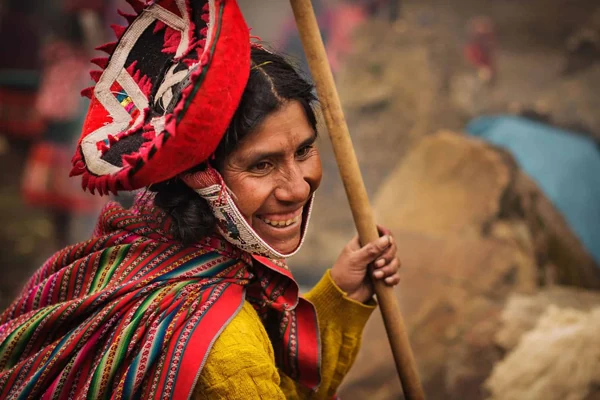
Quechua remains an important part of Andean culture today. Millions of people across Peru and other parts of South America continue to speak varieties of the language, making it one of the clearest examples of the lasting influence discussed in many facts about Inca culture. Travellers may hear Quechua in places such as Cusco and the Sacred Valley, connecting modern experiences with a much older cultural tradition.
3. The Incas had no conventional writing system
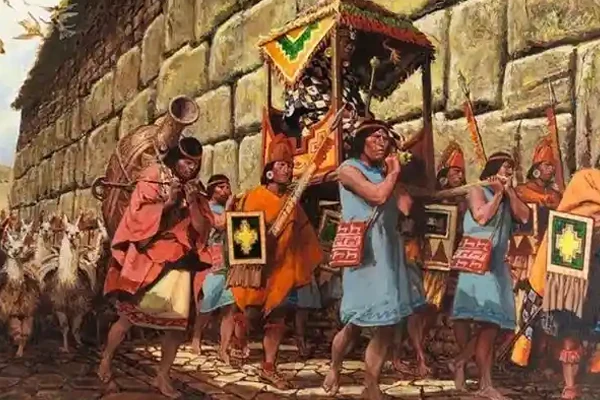
One of the more unusual facts about Inca culture is that the Incas did not use a conventional writing system based on an alphabet. Instead, they relied heavily on oral traditions and other methods for organising and communicating information. This makes the study of Inca history particularly fascinating, as much of what is known today comes from archaeology and accounts recorded after the Spanish conquest.
The Incas also used quipus, which consisted of cords and knots that could record numerical and possibly other forms of information. Although researchers continue to study their full meaning and function, quipus demonstrate that the Incas developed sophisticated ways to manage information without using conventional written language.
4. Agriculture was at the heart of Inca society
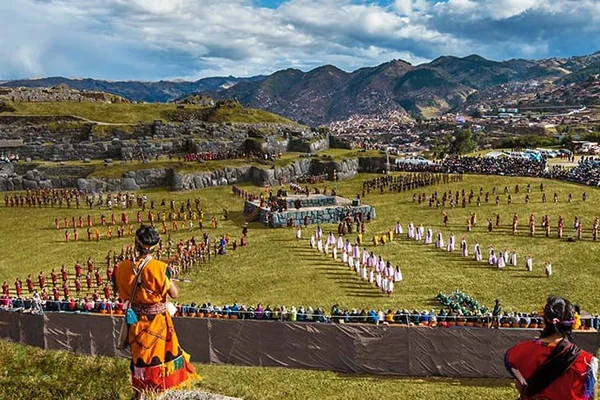
Agriculture was fundamental to Inca society, providing food for communities while also supporting the wider administration of the empire. Farmers cultivated crops such as potatoes, maize, quinoa, and other Andean plants across environments ranging from high mountain areas to lower valleys. These agricultural practices are among the most important facts about Inca culture because farming influenced both daily life and the organisation of society.
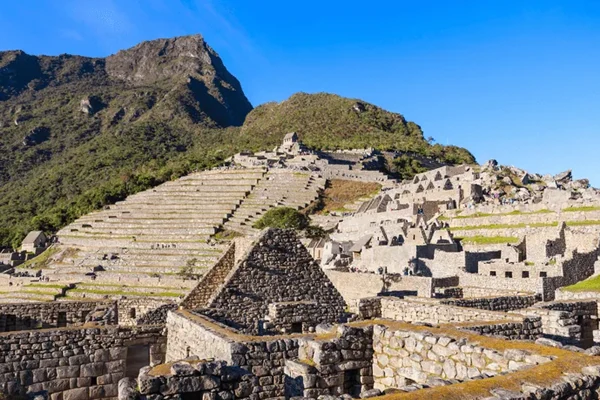
Terracing was particularly important in the Andes, helping communities cultivate steep slopes while managing water and soil. Agricultural production was closely connected to community responsibilities and organised labour, allowing the Incas to make productive use of difficult landscapes and support large populations.
5. The Incas developed an extensive road network
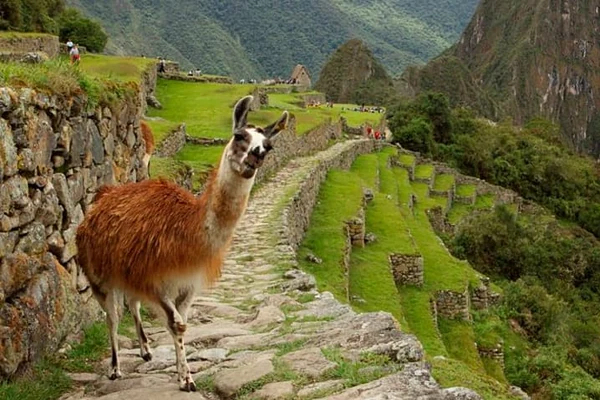
The Inca road system connected settlements, administrative centres, agricultural areas, and important sites throughout the empire. It stretched for thousands of kilometres through challenging landscapes, including steep mountains and deep valleys. Roads allowed people, goods, and information to move efficiently between different parts of Tawantinsuyu.
The network also included bridges, stairs, tunnels, and rest areas adapted to local terrain. This impressive infrastructure is another of the facts about Inca culture that demonstrates how effectively the civilisation responded to the geography of the Andes. Sections of these ancient routes can still be found in Peru today.
You might also be interested in: 15 traditional dances of Peru you should know
6. Textiles had important cultural and social meaning
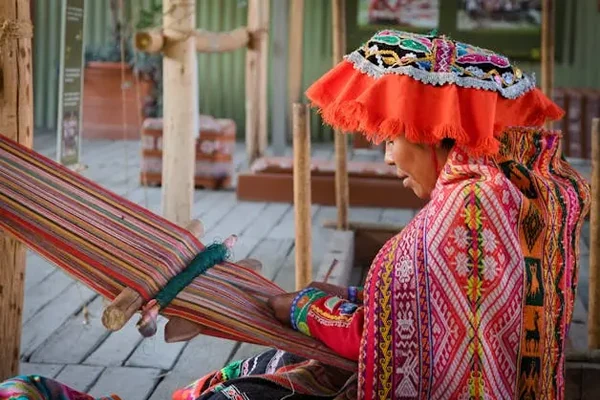
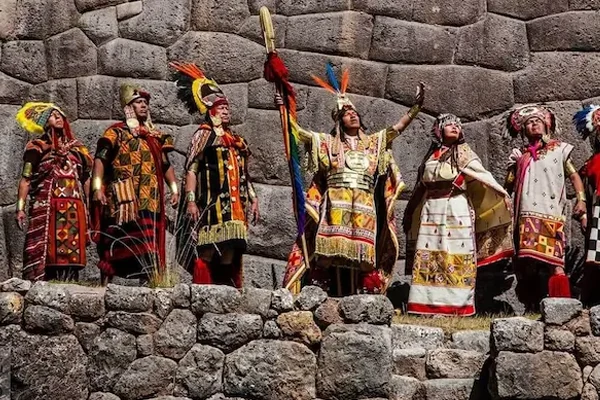
Textiles were highly valued in Inca society and served purposes that went beyond clothing. Skilled weavers produced garments, ceremonial pieces, and other textiles using materials such as alpaca and llama fibres. The quality and design of a textile could communicate information about social status, identity, and community.
Textile production was also connected to the organisation of the empire. Certain pieces were produced for important political and ceremonial purposes, while weaving traditions continued within local communities. Today, Andean textiles remain an important part of Peruvian cultural heritage and help illustrate another important element among the many facts about Inca culture.
7. Ayllus played an important role in community life
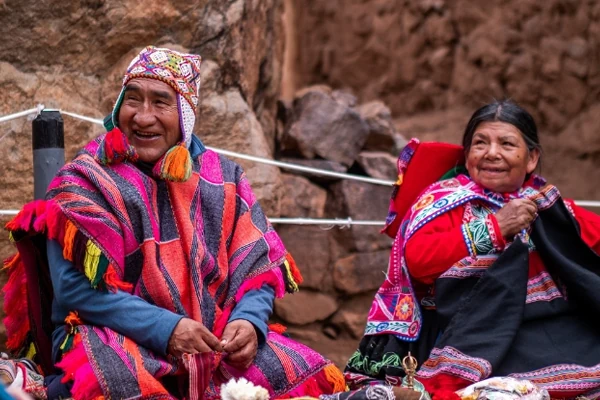
The ayllu was an important form of social organisation in the Andes, bringing groups of families together through shared responsibilities, land, and community relationships. Although the concept existed before the rise of the Inca Empire, the Incas incorporated ayllus into their wider system of administration and social organisation.
Community cooperation was essential for farming, construction, and other forms of collective labour. Understanding the role of the ayllu provides useful context for the facts about Inca culture, particularly when considering how communities worked together and how responsibilities were distributed throughout Inca society.
8. The Incas used quipus to record information
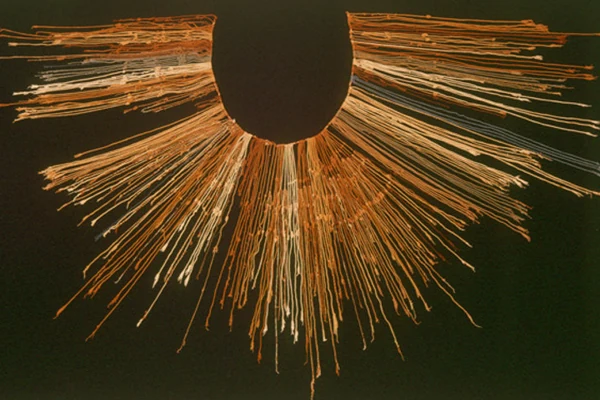
Quipus were made using cords and knots arranged in different ways and are among the most intriguing examples of Inca information management. They were used to record numerical information, including matters related to resources, populations, and administration. Specialists known as quipucamayocs were responsible for creating and interpreting them.
Researchers continue to investigate whether quipus could communicate information beyond numbers. Their exact capabilities remain an area of study, but they clearly formed an important part of the administrative system. For travellers interested in facts about Inca culture, quipus provide an excellent example of the sophisticated methods used to organise information.
9. Music and dance were part of everyday and ceremonial life
Music and dance were important forms of expression within Inca society and were connected to agricultural activities, celebrations, ceremonies, and community gatherings. Different instruments, including drums and wind instruments, were used for different occasions, while performances could strengthen relationships within communities.
These traditions also have an important connection to the cultural heritage found in the Andes today. Festivals throughout Peru feature colourful costumes, traditional instruments, and dances influenced by centuries of cultural development. They offer travellers another way to understand the living heritage behind the facts about Inca culture they encounter while travelling.
10. Inca traditions continued after the fall of the empire
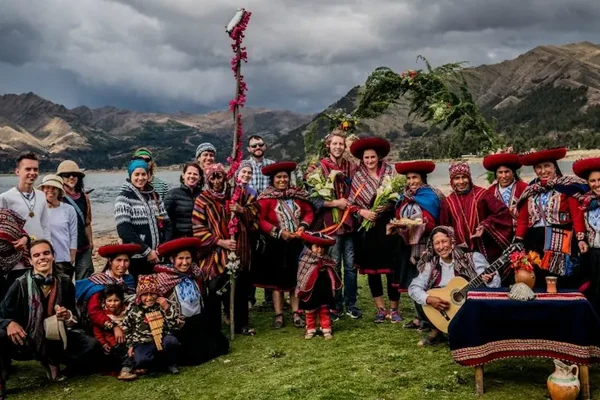
One of the most significant facts about Inca culture is that its influence did not disappear when the empire came to an end. The Spanish conquest brought major changes to Andean society, but many cultural practices survived and adapted over time. Languages such as Quechua, agricultural knowledge, textile traditions, community structures, and local celebrations continued to be passed from one generation to another.
This continuity can still be seen throughout Peru today. Travellers may encounter elements of this heritage in local communities, markets, festivals, languages, and traditional crafts across the Andes. The survival of these practices demonstrates how Inca cultural influence continues to form part of Peru’s identity centuries later.
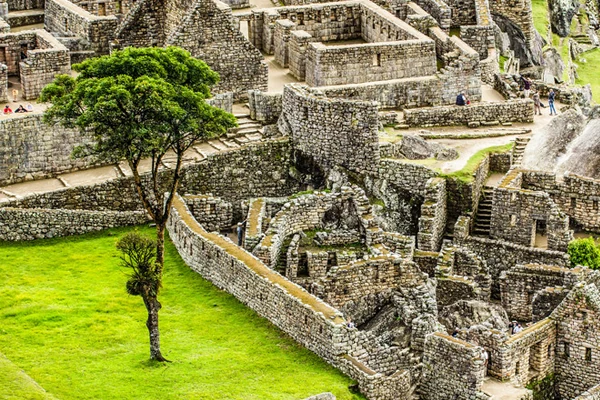
How Inca culture influenced life in the Andes
The influence of the Inca civilisation can still be seen across the Andes today. Although the empire ended centuries ago, many cultural practices, agricultural traditions, languages, and forms of craftsmanship have continued through generations. These elements provide important context for understanding the facts about Inca culture and the ways its legacy remains part of everyday life in Peru.
The Inca legacy is especially visible in communities where traditional knowledge continues to be valued and practised. From the crops grown in mountain valleys to textiles produced by local artisans, these connections between the past and present show that Inca culture is not limited to archaeological remains. It remains part of the cultural identity of many Andean communities.
Language and traditions that remain today
Quechua is one of the clearest examples of the cultural legacy that continues from the Inca period. Although it was spoken by communities before the Inca Empire expanded, the Incas helped spread its use across a large part of their territory. Today, Quechua remains widely spoken in Peru and other Andean countries, particularly in communities throughout the highlands.
Other traditions have also survived and adapted over time. Music, weaving, agricultural knowledge, community practices, and local celebrations continue to reflect Indigenous heritage in different parts of the Andes. For travellers, encountering these traditions offers a more complete perspective on the facts about Inca culture and its continuing influence.
The influence of Inca agriculture and craftsmanship
Inca agricultural knowledge continues to influence farming practices in the Andes. Terraces, irrigation systems, and the cultivation of native crops demonstrate how communities adapted agriculture to steep slopes and changing altitudes. Potatoes, maize, quinoa, and other Andean crops remain important to local food systems and cultural traditions.
Craftsmanship also plays an important role in preserving this heritage. Andean weaving, pottery, metalwork, and other forms of handmade production continue to use techniques and designs influenced by Indigenous traditions. These practices demonstrate how aspects of Inca culture have been preserved while also evolving to reflect contemporary communities.
You might also be interested in: Travel photography in Peru: 15 best places for photographic tourism
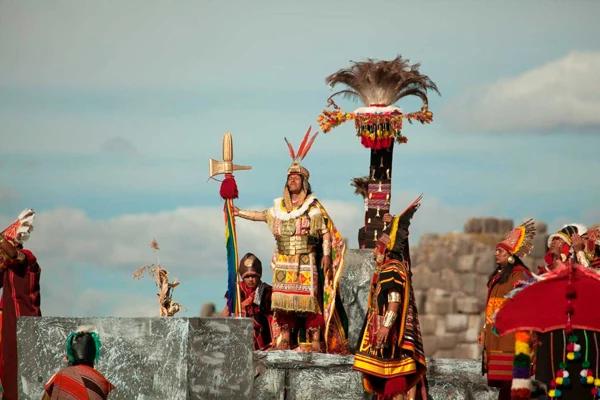
Where to experience Inca cultural heritage in Peru
For travellers interested in the facts about Inca culture, Peru offers many opportunities to connect historical knowledge with real places and living traditions. The country’s archaeological sites, museums, local communities, and cultural experiences provide different perspectives on the civilisation and its lasting influence throughout the Andes.
Some destinations are particularly important because of their connection to the Inca Empire. Visiting these places allows travellers to see ancient settlements and landscapes while gaining a better understanding of the people, knowledge, and traditions that shaped the region.
Cusco and the Sacred Valley
Cusco was the political and administrative centre of the Inca Empire, making it one of the most significant destinations for learning about Inca culture. Throughout the city, visitors can see evidence of Inca construction alongside buildings from the colonial period. Sites such as Qorikancha and Sacsayhuamán provide valuable insight into the civilisation’s history and achievements.
The Sacred Valley offers another perspective, with archaeological sites, agricultural landscapes, and communities where traditional Andean practices remain part of daily life. Places such as Pisac and Ollantaytambo allow travellers to connect the historical facts about Inca culture with the landscapes where many of these traditions developed.
Machu Picchu and other archaeological sites
Machu Picchu is perhaps the most recognisable symbol of Inca civilisation and one of the most important archaeological sites in South America. Its location high in the Andes demonstrates the Incas’ ability to build and organise settlements in challenging environments. Exploring the site can help travellers understand the relationship between architecture, agriculture, geography, and Inca society.
Beyond Machu Picchu, Peru is home to numerous archaeological sites that reveal different aspects of Inca history. From the agricultural terraces of Moray to the impressive stonework of Sacsayhuamán and the remains of Ollantaytambo, each destination provides additional context for understanding the facts about Inca culture and the legacy it left across the Andes.
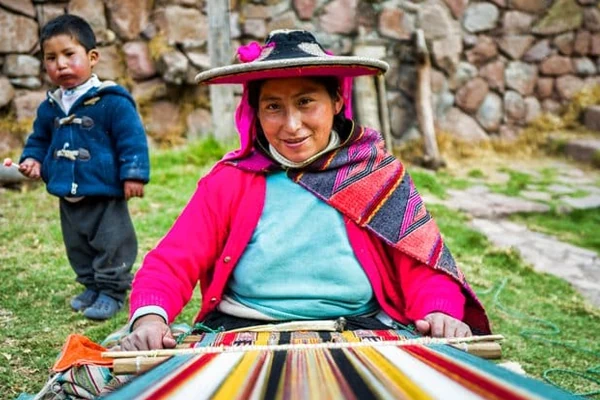
Why Inca culture still matters today
The legacy of the Inca civilisation remains an important part of Peru’s cultural identity. While the empire itself ended centuries ago, many traditions, languages, agricultural practices, and forms of craftsmanship have continued through generations. Understanding these elements helps put the facts about Inca culture into a broader context and shows how the civilisation continues to influence life in the Andes.
For travellers, this connection between past and present makes a visit to Peru particularly meaningful. Cultural heritage can be found not only in archaeological sites, but also in local communities, traditional celebrations, markets, textiles, and everyday practices. These living traditions offer a different perspective on the history that shaped the country.
Preserving Indigenous traditions and knowledge
Indigenous communities across the Andes continue to play an important role in preserving cultural knowledge. Traditional weaving, agricultural techniques, Quechua language, music, and community practices are still passed from older generations to younger ones. This continuity helps protect forms of knowledge that have developed over centuries and remain relevant to local communities.
Preservation also depends on recognising the value of these traditions beyond their historical importance. Supporting local artisans, learning about Indigenous cultures, and approaching cultural experiences respectfully can contribute to their continued visibility and appreciation. For travellers, this provides an opportunity to understand the facts about Inca culture while also recognising the communities that continue to carry elements of this heritage forward.
The lasting legacy of the Inca civilisation
The influence of the Incas can be seen in many aspects of modern life in the Andes. The continued use of Quechua, the cultivation of native crops, traditional textile production, and communal practices all demonstrate how cultural influences can survive significant historical changes. These connections make the Inca legacy much broader than the archaeological remains associated with the empire.
This lasting influence is also reflected in the way Peru presents and protects its cultural heritage. Archaeological sites, museums, festivals, and community based experiences allow new generations and visitors to learn about the civilisation and its contributions. Together, they help keep the history and many of the facts about Inca culture relevant for the present day.
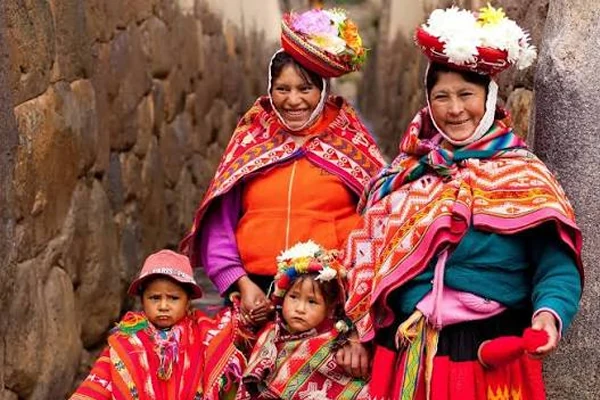
Discover Inca culture through Peru’s living heritage
Learning about Inca culture does not have to be limited to visiting ancient ruins. Throughout Peru, travellers can encounter elements of this heritage through local languages, traditional foods, handmade textiles, agricultural practices, festivals, and community celebrations. These experiences provide a closer look at the cultural traditions that have continued to evolve over centuries.
Exploring this living heritage can also change the way travellers understand Peru’s famous archaeological sites. Knowing the history behind the people, practices, and landscapes creates greater context when visiting places such as Cusco, the Sacred Valley, and Machu Picchu. It is an opportunity to appreciate Inca heritage not simply as something from the past, but as an influence that continues to shape Peru today.
