
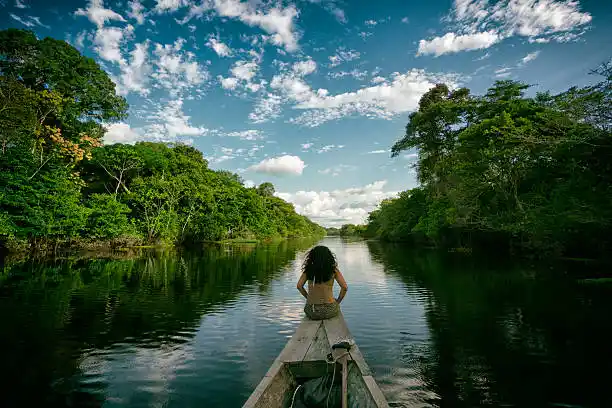
Peru is home to a diverse range of ecosystems, from the high Andes mountains to the dense Amazon rainforest. Its national parks offer travelers the opportunity to experience some of the most spectacular natural beauty in the world. I’m pretty sure you’re about to know this wonderful, breathtaking and wild national parks; you’ll love them!
In this post, we are going to explore the top 3 best national parks in Peru, whether you’re a nature enthusiast, a wildlife photographer, or simply somone who loves to explore untouched places, these parks must be on you travel list.
You may also like: Top 10 things you must do in Machu Picchu this 2025
Why Visit Peru’s National Parks this 2025?
If you’re the kind of traveler who finds peace in the wild, excitement in the unknown, and awe in the beauty of untouched nature Peru is calling you louder than ever in 2025.
This country isn’t just about Machu Picchu or ancient ruins (though those are incredible too). It’s also home to some of the most diverse and soul-stirring national parks on the planet. Towering snow-capped peaks. Endless emerald rainforest. Misty cloud forests and sun-drenched valleys. These landscapes aren’t just backdrops they’re living ecosystems teeming with rare species, sacred history, and natural wonder.
Whether you’re tracking elusive wildlife in the Amazon, hiking above 4,000 meters in the Andes, or kayaking through glassy lagoons beneath ancient glaciers, Peru’s national parks offer the kind of raw, unfiltered adventure that’s becoming harder to find in the modern world. Here, you disconnect from the noise and reconnect with the things that truly matter.
What’s New in 2025?
Peru is embracing a new era of tourism, and it shows. In 2025, many national parks are seeing improvements in:
- Sustainable infrastructure: eco-lodges, low-impact trails, and better waste management systems
- Community-based tourism: local guides, indigenous-run experiences, and small-scale lodgings that directly support surrounding villages
- Accessibility: new transportation routes, improved visitor centers, and safer trail networks in regions like the Cordillera Blanca or Manu
What does this mean for you? More authentic experiences, safer travel, and the opportunity to witness one of the most biodiverse countries on Earth while helping to protect it.
A Biodiversity Hotspot Like No Other
Peru boasts over 75% of the world’s ecosystems from the dry coastal desert to the humid lowland rainforest. Its national parks protect an extraordinary variety of life, including:
- 1,800+ species of birds (more than anywhere else on the planet)
- 500+ species of mammals, including pumas, tapirs, sloths, and the iconic Andean spectacled bear
- Thousands of endemic plant species found nowhere else on Earth
Add to that the rich cultural layers Inca ruins hidden in jungle valleys, Quechua-speaking communities in high mountain villages, and centuries-old traditions still alive in regions like the Manu National Park 4 Days route, where nature and culture exist in perfect harmony. It’s not just a place to visit it’s a place to learn, connect, and be transformed.
Travel That Transforms
More than ever, travelers today are seeking something deeper than a postcard view. Peru offers that. These parks invite you to slow down, listen to the land, and walk with intention. Whether you’re trekking the Classic Inca Trail, wandering the Machu Picchu Circuits, or exploring a lesser-known reserve, you’ll walk away with more than just photos you’ll carry a story.
So if you’re dreaming of a trip that challenges your spirit, feeds your curiosity, and leaves a positive footprint behind 2025 is the perfect time to experience Peru’s national parks at their best.
You may also like: The best street food in Lima: Top 5 local favorites
Tips for Visiting National Parks in Peru
Before you throw your hiking boots into a backpack and jump on a plane, here are a few honest, field-tested tips that will make your adventure not just smoother but truly unforgettable.
When’s the Best Time to Go?
Peru’s geography is incredibly diverse, so the best time to visit depends on where you’re heading:
- Andes & highlands: The dry season (May to September) is ideal expect clear skies, crisp air, and excellent conditions for trekking and camping.
- Amazon regions: Rain is part of the rhythm here year-round, but the drier months from April to October offer better wildlife viewing and easier trail access. Just bring that poncho it’s part of the charm.
Do I Need Tickets or Permits?
Yes! and it’s a smart move to book ahead, especially for the more protected or remote parks. For example, Manu National Park 8 Days tours offer guided access into one of the most biodiverse places on Earth, but they require advance reservations and must be done with certified operators. Other parks, like Huascarán National Park, are a bit more flexible and can be visited independently if you’re comfortable planning your own route.
Entry fees are usually modest (often under $20 USD) and go directly toward conservation efforts. It’s a small contribution for the chance to experience something truly rare and protected.
What Should I Pack?
Overpacking is the quickest way to slow yourself down. Stick to the essentials and gear up smart:
- Comfortable, broken-in hiking boots (not fresh out of the box!)
- Breathable, moisture-wicking layers mornings are cool, afternoons heat up fast
- Rain gear especially in jungle regions
- Eco-friendly insect repellent & high-SPF sunscreen
- A reusable water bottle (many eco-lodges have refill stations)
- Binoculars or a camera because you never know when a toucan, monkey, or hidden waterfall will surprise you
Pro tip: Pack light but don’t forget your sense of curiosity. That’s the one thing you’ll use every single day.
You may also like: Are guided tours in Peru worth it?
Top 3 best national parks in Peru
1. Manu National Park – The Crown Jewel of the Amazon
If there’s one place that feels like stepping into the lungs of the Earth, it’s Manu National Park. Recognized by UNESCO as a World Biosphere Reserve, Manu is one of the most biodiverse places on the planet. It spans high-altitude cloud forests, lowland Amazon jungle, and river plains all in one massive, protected ecosystem.
What makes it truly special is the feeling of total immersion. No WiFi. No crowds. Just the hum of insects, the calls of howler monkeys, and the occasional rustle of a jaguar in the distance.
Top experiences:
- Spotting over 1,000 bird species, including the stunning Andean cock-of-the-rock
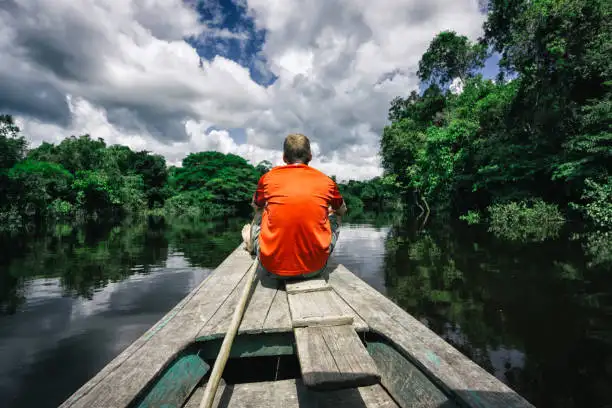
- Canoe rides at dawn through oxbow lakes surrounded by giant river otters
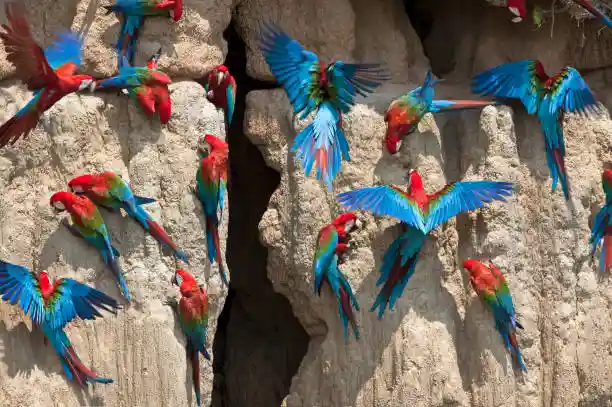
- Visiting clay licks where hundreds of colorful macaws gather at sunrise
- Exploring Manu’s untouched zones with local guides on a Manu National Park 3 Days expedition or even a shorter Manu National Park 3 Days experience for those on tighter schedules
Best for: Wildlife lovers, jungle explorers, photographers, birders
2. Huascarán National Park
In the heart of the Andes rises Huascarán National Park, a place of endless skies, turquoise glacial lakes, and mountains that take your breath away. Home to Huascarán, Peru’s highest peak, the park is a paradise of trails that wind through dramatic valleys carved by time and glaciers.
But you don’t need to be a seasoned mountaineer to enjoy it. From scenic day hikes to epic multi-day adventures like the Santa Cruz Trek, Huascarán offers something for every mountain lover.
Top experiences:
- Reaching the jaw-dropping Laguna 69, framed by snow-capped peaks and absolute silence
- Exploring the Chavín de Huántar archaeological site, a UNESCO World Heritage treasure nearby
- Trekking the Santa Cruz Trail, considered one of South America’s best high-altitude routes
- Spotting vicuñas, vizcachas, and maybe even majestic condors soaring overhead
Best for: Hikers, mountaineers, landscape photographers, cultural travelers
3. Tambopata National Reserve
Want the full Amazon experience without long travel days or complicated logistics? Tambopata is your perfect entry point. Just a short flight from Cusco or Lima to Puerto Maldonado, and you’re in the heart of the jungle.
Smaller than Manu, but just as magical, Tambopata offers easy-access trails, eco-lodges with all the comforts, and a stunning variety of wildlife. It’s ideal for couples, families, or anyone short on time but big on curiosity.
Top experiences:
- Sleeping in an eco-lodge deep in the rainforest, with nighttime wildlife walks
- Climbing a canopy tower at dawn to watch the mist rise over the treetops
- Visiting Collpa Colorado, one of the largest clay licks for macaws in the world
- Piranha fishing, caiman spotting, or simply drifting down the river at sunset
Best for: First-time jungle travelers, couples, families, short itineraries
You might be interested in: Inca creation myth: The legends that shaped an empire
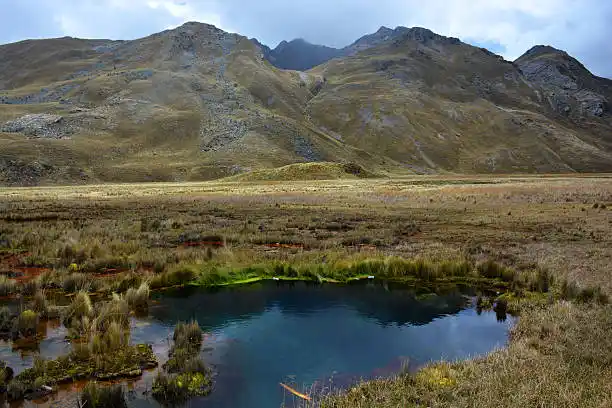
Whether you’re trekking through the towering peaks of Huascarán National Park, exploring the rich biodiversity of Manu National Park, or discovering the marine life of the Ballestas Islands, Peru offers an array of national parks that cater to all types of nature lovers.
Each park showcases the incredible beauty of Peru’s natural landscapes and provides opportunities for adventure, discovery, and conservation. These parks not only offer unparalleled experiences for travelers but also play a crucial role in preserving Peru’s ecological heritage for future generations. Don’t miss the chance to explore these natural wonders on your next visit to Peru!
