

Visiting the Inca cities in Peru is a captivating experience, allowing you to explore the legacy of one of the most complex and advanced societies of pre-Columbian America. The vast Inca Empire, Tawantinsuyu, left behind a monumental legacy etched in stone and perched in the Andes. From massive military fortresses to agricultural lab experiments, each archaeological site is a testament to the architectural virtuosity and spiritual connections these people had with their landscape. In southern Peru, you will inevitably trace the incan trail, and below we offer a primer on how to explore the grandeur of the Inca cities in Peru.
You might also be interested in: 21 Things to do in Cusco at night
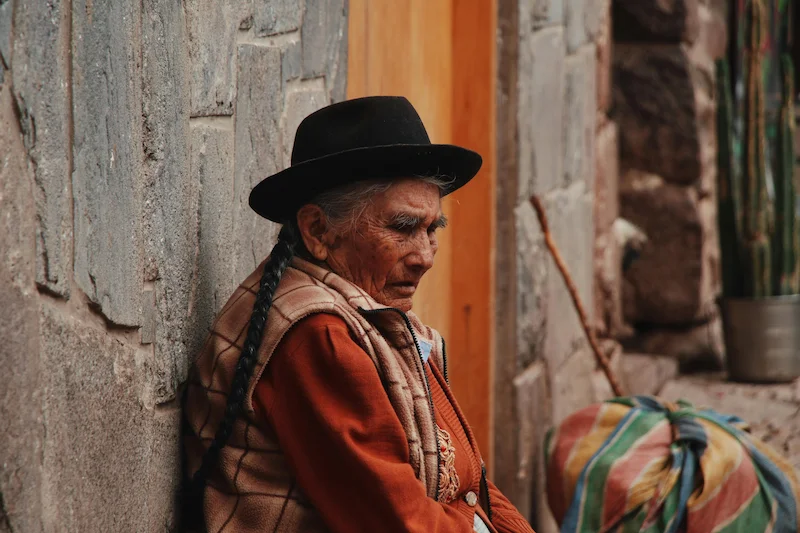
Discover the grandeur of the Inca cities in Peru
The Inca cities in Peru are more than just tourist spots; they are time capsules that illustrate the intricate social, political and religious organization of the empire. There is an astonishing number of these remains spread throughout Cusco and the Sacred Valley, each with an assigned role, military, religious, or agricultural.
Why visit the Inca cities in Peru?
A visit to the Inca cities in Peru offers a unique combination of adventure and culture. In addition to their immense historical value, they are nestled in natural landscapes of unparalleled beauty, from deep canyons to snow-capped peaks. It’s an opportunity to connect with ancestral traditions, marvel at ancient engineering, and participate in a truly transformative travel experience.
The Top 10 Inca Cities in Peru and Their Legacy
The heart of the empire, Cusco, is the starting point for exploring the most iconic sites. Below, we break down the top five Inca cities in Peru that shouldn’t be missed on your itinerary.
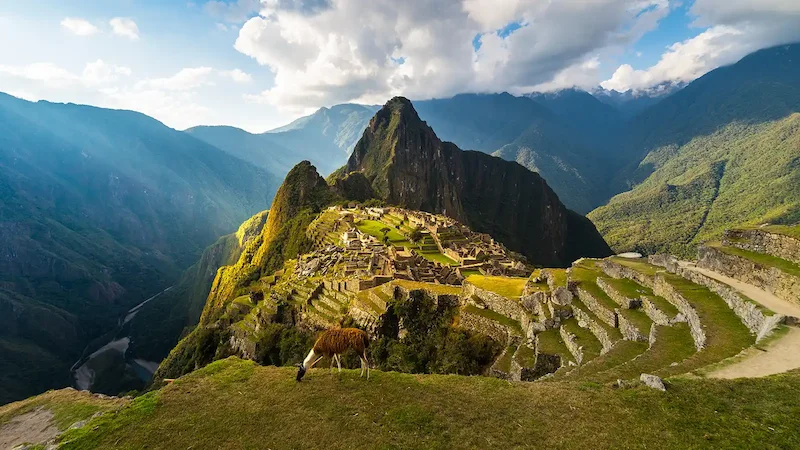
1. Machu Picchu: The Jewel of Peru’s Inca Cities
Machu Picchu is, without a doubt, the most iconic archaeological site and the most globally known Inca city in Peru. This stone citadel, perched on a promontory between the peaks of Huayna Picchu and Machu Picchu Mountain, is the ultimate expression of Inca architecture. It likely functioned as a ceremonial sanctuary and royal estate for the Inca Pachacútec, maintaining an astonishing state of preservation thanks to its isolation. There are various ways to access this wonder. For those travelers who are short on time but want to experience the sensation of an Inca trek, there is the intensive 1 day inca Trail option, which condenses the adventure.
Essential Tips for Visiting This Famous Inca Ruin in Peru
Planning your visit to this famous Inca ruin in Peru is vital. Tickets must be purchased months in advance, as daily access is limited. The trip is generally made by train from Ollantaytambo to Aguas Calientes, followed by a short bus ride to the summit. It’s recommended to start the tour early to enjoy the sunrise and avoid the crowds.

2. Sacsayhuamán: The Ceremonial Fortress and Inca Ruins of Cusco
Dominating the Cusco Valley, Sacsayhuamán is a colossal ceremonial fortress that impresses with the size of its stone blocks. Some of these polygonal blocks weigh over 100 tons and are assembled with pinpoint precision without mortar, an unsurpassed example of Inca stonework. This structure was part of the original design for Cusco, representing the head of the puma, a sacred animal to the Incas.
How to get there and what to do in this ancient Inca city near Cusco
Sacsayhuamán is a short taxi ride or uphill walk from Cusco’s historic center. It is a key component of the Tourist Ticket. In addition to admiring the fortress, from its summit you can enjoy the best panoramic views of the city. This site, an ancient Inca ceremonial city, is the setting for the reenactment of Inti Raymi (the Festival of the Sun).

3. Ollantaytambo: The Living Inca City in the Sacred Valley
Ollantaytambo is unique because it is one of the few Inca cities in Peru that preserves its original urban layout and is still inhabited. This location served as an important military, religious, and agricultural center. The archaeological complex overlooking the town is composed of impressive terraces and the unfinished Temple of the Sun. Its strategic location in the Sacred Valley made it a vital resistance point during the Spanish conquest.
Its Role in the Wars of Conquest
During Manco Inca’s rebellion, the fortress of Ollantaytambo was the site of an Inca victory over Hernando Pizarro. Control of the terraces and the water supply demonstrated Inca military astuteness. Its historical role positions it as a crucial point within the Inca cities in Peru.

4. Pisac: Agriculture and Observatories in Peru’s Inca Cities
The archaeological complex of Pisac, crowning a mountain in the Sacred Valley, is famous for its extensive network of terraces and its religious sector. The agricultural terraces, which seem to defy gravity, demonstrate the Inca ability to maximize food production on steep slopes. The site is clearly divided into functional areas.
Pisac’s Famous Artisan Market
The modern town of Pisac, at the base of the archaeological complex, is known for its artisan market, a vibrant meeting place where you can find Andean textiles, silver jewelry, and ceramics. It is the perfect cultural counterpoint to a visit to the Inca city in Peru.

5. Choquequirao: The Sacred Sister of Peru’s Inca Cities
Choquequirao, which means “Cradle of Gold,” is one of the most mysterious and least visited Inca cities in Peru. Its architecture and design have led it to be considered the “sacred sister” of Machu Picchu. Nestled in the high-altitude jungle, it has remained largely untouched, with only a small percentage excavated. Its difficult access makes it an option only for adventurers. It provides an interesting contrast to the more popular routes. For example, the most popular trek in the region is the famous classic inca Trail 4 days, which culminates at Machu Picchu and is the epitome of the Peruvian historical trek.
A Hidden Treasure Among Peru’s Inca Cities
The complex stands out for its system of terraces and its unique, strategically placed stone mosaics depicting llamas. Archaeologists believe Choquequirao was an administrative and ceremonial center connecting the mountains with the jungle.
You might also be interested in: Travel photography in Peru: 15 best places for photographic tourism
Exploring the Lesser-Known Inca Ruins of Cusco
Beyond the better-known tourist spots, the area around Cusco and the Sacred Valley holds archaeological treasures that offer a deeper, and often quieter, insight into Inca history. These sites complete the panorama of Inca cities in Peru, demonstrating the breadth and diversity of Tawantinsuyu architecture.
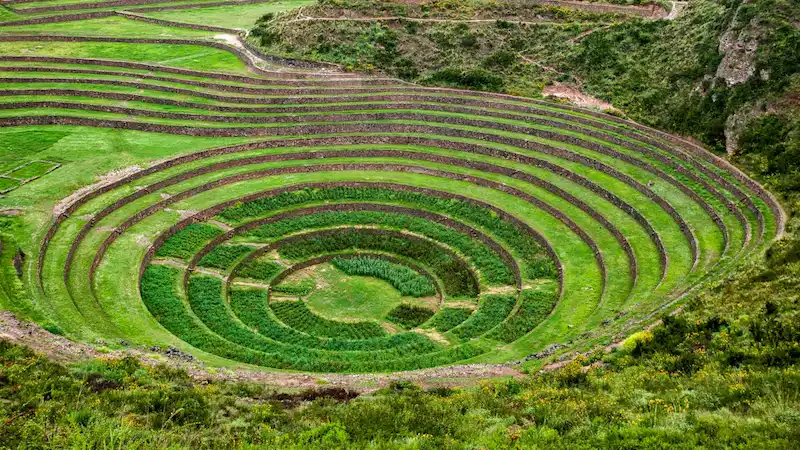
6. Moray: The Empire’s Agricultural Laboratory
Moray stands out as a complex of circular and concentric agricultural terraces, unique among Inca cities in Peru. It was not a residential center, but rather a sophisticated research facility. The depth of the pits and the orientation of the terraces created a temperature difference of up to 15°C between the base and the summit, allowing the Inca to experiment with crops from different climatic regions. This ingenious design is a testament to the empire’s advanced agronomic knowledge.
- It is considered an agricultural laboratory due to the microclimates it created on each level of the terraces.
- The temperature variation facilitated the adaptation and acclimatization of various Andean seeds and crops.
- It is located among the Inca ruins of Cusco, which are commonly visited on a tour of the Sacred Valley.
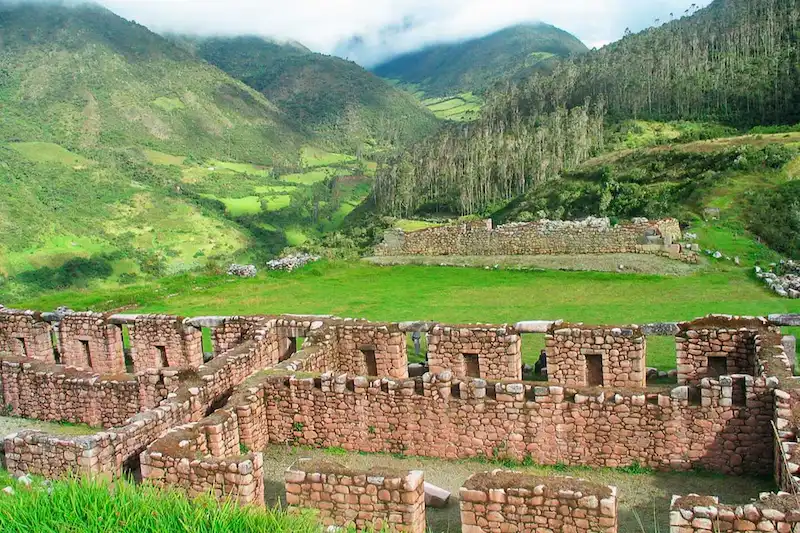
7. Vilcabamba: The Last Capital of the Incas
Vilcabamba (often referred to as Espíritu Pampa) is the most remote and arguably the most historically significant of the Inca cities in Peru. After the fall of Cusco, it was here, in the dense jungle, that the last Incas, including Manco Inca and Túpac Amaru I, kept the resistance and the flame of the empire alive for more than three decades. A visit to this ancient Inca city is a multi-day expedition.
- It served as the last bastion of Inca resistance against the Spanish invasion.
- The architecture, although less refined than Machu Picchu, carries a huge epic and historical significance.
- The approach is a challenging trek that attracts travelers seeking profound adventure.

8. Puka Pukara: The Red Fort Among the Inca Cities in Peru
Puka Pukara, whose name in Quechua means “Red Fortress,” is a military and control complex that played a key role in the defense and administration of the borders of Cusco. It is believed that this Inca city in Peru may have functioned as a surveillance post, a customs office, or a shelter for travelers and soldiers.
- Its name comes from the reddish color of its stones at sunset.
- It is located in a strategic location overlooking the main road to the jungle (Antisuyo).
- It is closely linked to other nearby complexes such as Tambomachay, forming an administrative corridor.
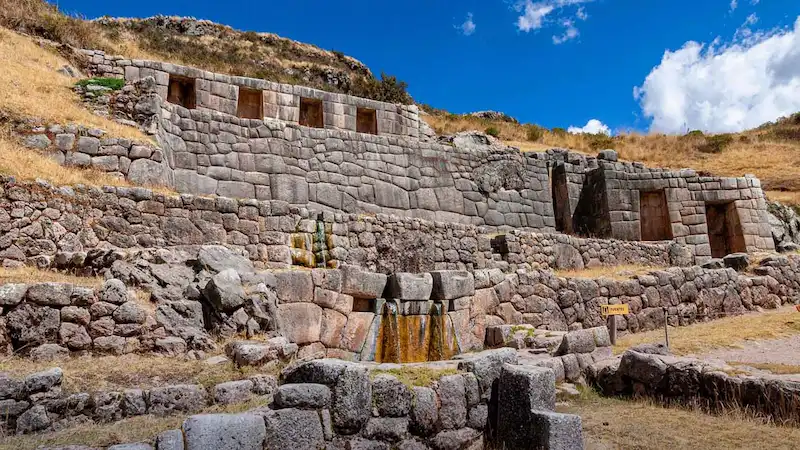
9. Tambomachay: The Inca Baths
Tambomachay is a site of water worship, where the Inca’s skill in manipulating this element becomes an art. Through a series of aqueducts, canals, and waterfalls carved into the rock, they ensured that the water flowed perpetually and crystalline. This site underscores the importance of civil engineering within Inca cities in Peru.
- It is famous for its system of aqueducts and permanent waterfalls carved into the rock.
- Hydraulic precision allows water to flow uninterrupted, symbolizing purity and the worship of water.
- Its architecture is one of the most delicate among the famous Inca ruins in Peru near Cusco.
You might also be interested in: Manu National Park: Best journey into the heart of the Amazon

10. Q’enko: The Ceremonial Labyrinth
Q’enko (or Kenko) is one of the largest ceremonial huacas (sacred places) of the Inca. This site is distinguished by an immense limestone rock carved in a zigzag pattern and an underground passage or natural labyrinth. The structure is dedicated to rituals associated with the earth (Pachamama) and the cosmos, serving as a meeting point for worship and offerings in the network of Inca cities in Peru.
- It is known for its large carved rock featuring ceremonial channels and stairways.
- It contains an underground chamber believed to have been used for important ceremonies.
- It is a key site for understanding the mystical and religious dimension of the empire.
Planning Your Visit to the Inca Cities in Peru
To fully enjoy the richness of Peru’s Inca cities, detailed planning is essential. You should consider both road routes (for the Sacred Valley and Cusco) and hiking options that connect you to historic trails. Good planning will allow you to maximize your time and fully immerse yourself in Andean history.
The Best Time to Travel to the Inca Ruins of Cusco and the Sacred Valley
The dry season (April to October) is the most recommended time to visit the Inca ruins in Cusco and its surroundings. Although it is peak season, it offers sunny days and a lower risk of rain, making hiking and exploring the outdoor complexes easier. Your trip should be tailored to the weather conditions of the Peruvian highlands.
- Dry Season (April to October): Sunny days and clear skies, ideal for photography and trekking. Daytime temperatures are pleasant, but nights are noticeably cold, especially in June and July.
- Wet Season (November to March): Characterized by frequent rainfall, especially between January and March. The landscapes are greener and there are fewer tourists, but the hikes can be more challenging.
- Inca Trail Closure: It’s important to remember that the Inca Trail closes annually in February for maintenance and heavy rains.
Tour Options to Explore Inca Cities in Peru
For those seeking an intermediate hiking experience, combining hiking with camping and exploring Inca sites off the main trail, the 2 days inca Trail is an excellent option. This shorter route offers a deeper immersion without the commitment of a full four days, making it a perfect option for experiencing the sensation of an Inca trek. In addition to trekking routes, you can always opt for bus tours that cover the Sacred Valley in one or two days, allowing you to efficiently visit key sites such as Pisac, Ollantaytambo, and Moray.
You might also be interested in: Altitude sickness in Cusco: 8 essential steps to avoid it

The Indelible Legacy of Peru’s Inca Cities
The heritage of Peru’s Inca cities is more than just a matter of design. It embodies an enduring representation of intelligence, spirituality, and organizational skills of a civilization that developed its communal life amidst extreme circumstances. Each site — from the architectural perfection of the citadel of Machu Picchu to the spirit of resistance present in Vilcabamba – is a piece of a monumental historical puzzle.
Going to see these ten archaeological sites is not only to appreciate the enormous effort involved in making each site possible. It is an opportunity to experience a culture that was able to intermingle its human existence with the majesty of nature within the Andean region. Preserving this collateral ownership means that future generations can enjoy the talents and history that this heritage provides. It is a wonderful experience. Start planning your trip and let yourself fall in love with its inexhaustible magic.
