
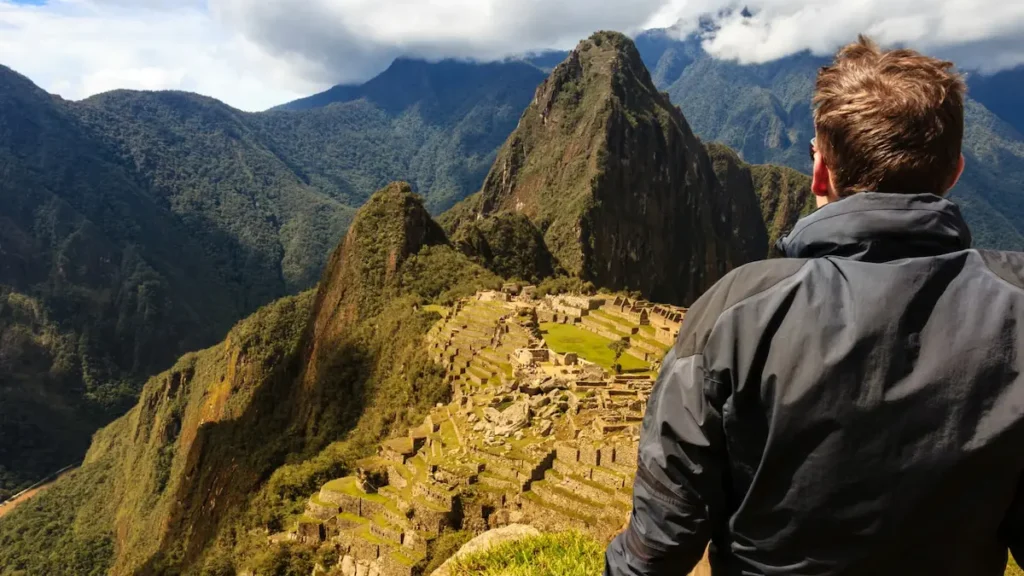
Reaching Machu Picchu is one of those trips that stays with you forever — but what most people don’t realise is that there’s more than one way to get there. Sure, you can follow the classic tourist route, squeeze into the busiest spots, and tick the box… but where’s the fun in that? If you’re the kind of traveller who prefers a bit more authenticity, less noise, and a touch of adventure, then it’s worth exploring the many alternative routes that lead to the citadel.
From glacier-crossing treks and jungle descents to scenic trains and hidden Inca paths, the real question isn’t just how do you get to Machu Picchu? — it’s how do you want to experience the journey. Because in the Andes, every trail has its own story, its own landscapes, and its own pace. And choosing the right one can turn your trip from “just another visit” into the adventure of a lifetime.
So if you’re ready to avoid the crowds and discover a more personal way to reach Peru’s most iconic site, this guide is exactly what you need. Let’s dive in.
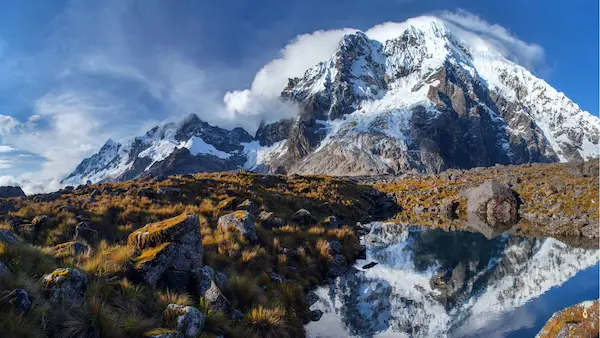
Salkantay Trek: Between Glaciers and Jungle
The Salkantay Trek is considered by many travelers to be the best alternative to the Inca Trail, not only because of its challenging sections but also for its breathtaking natural beauty. This route blends adventure with spectacular Andean scenery, making it perfect for those looking for a less crowded, more authentic experience connected to nature.
What makes it special?
- Hiking beside the sacred Salkantay Mountain (6,271 m): Known as one of the powerful Apus (sacred mountain spirits), Salkantay dominates the skyline with its immense glaciers. Walking at its base is both awe-inspiring and humbling. Many trekkers describe this moment as one of the most emotional and unforgettable parts of their entire trip.
- A journey through multiple ecosystems in a single trek: Few hiking routes offer such dramatic contrasts. You begin surrounded by glacial peaks and rocky high Andean terrain, then descend through alpine valleys, eventually entering the warm, green cloud forest full of waterfalls, orchids, hummingbirds, and dense vegetation. It’s like watching nature transform around you hour by hour.
- A quieter, more serene experience: Unlike the Classic Inca Trail, which has limited spaces and larger crowds, Salkantay allows for a more peaceful connection with nature. You’ll often find yourself walking for long stretches with total silence, hearing only the wind, rivers, and distant sounds of wildlife.
- Perfect for adventure lovers: This trek is ideal for those seeking physical challenge, stunning photography opportunities, and remote trails with rewarding views. It’s demanding, but the sense of accomplishment at the end is unmatched.
Key route information
- Duration: 4 to 5 days
- Difficulty level: High
- Approximate distance: 70 km
- Highest point: Salkantay Pass (4,650 m / 15,255 ft)
- Requirements: Good physical conditioning and 1–2 days of prior acclimatization in Cusco. Not suitable for travelers with heart or respiratory conditions.
- Restrictions: Not recommended for young children or older adults without trekking experience.
Final destination of the Salkantay Trek
The journey concludes in Aguas Calientes, the base town for Machu Picchu. After several intense hiking days through mountains, valleys, and jungle, arriving here feels incredibly rewarding. You’ll rest, enjoy hot showers, dine in town, and prepare for the ultimate highlight:
your visit to Machu Picchu the following morning.
Many trekkers say that after completing Salkantay, stepping inside Machu Picchu feels even more meaningful—you’ve earned every moment through effort, altitude, and adventure.
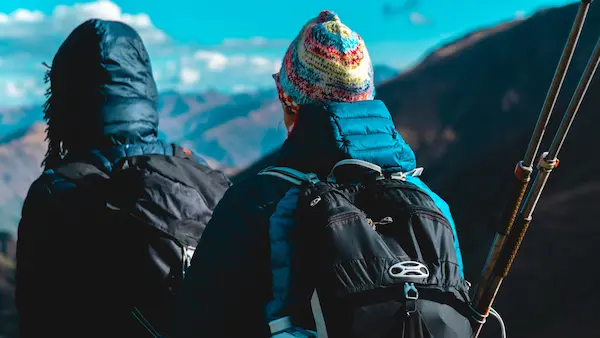
Lares Trek: Living culture at every step
If your thing is connecting deeply with people rather than just landscapes, then the Lares Valley Trek will absolutely steal your heart. Unlike other routes focused mainly on scenery, Lares stands out for its human warmth. Here, you don’t just pass by communities—you become part of their day for a moment. The trek winds through authentic Quechua Andean villages, where families still preserve their ancestral language, traditional clothing, weaving techniques, and farming practices passed down for centuries.
And for many travelers researching How do you get to Machu Picchu, the Lares Trek becomes a beautiful cultural alternative that leads you toward the same iconic destination through a more human, immersive experience.
Why is it different?
- You’ll visit remote villages like Huacahuasi or Patacancha: These communities are far from mass tourism, so encounters feel honest and meaningful. You might see women weaving intricate textiles, farmers tending their alpacas, or children walking to school through the mountains. Tourism here remains sustainable and respectful, which means your presence directly supports local families without disrupting their way of life.
- You’ll learn firsthand about textile art and high-altitude traditions: One of the most unforgettable parts of the Lares Trek is meeting master weavers who use centuries-old techniques and natural dyes to create some of the finest textiles in the Andes. You’ll also get a glimpse into traditional farming, the importance of alpacas and llamas, and how families thrive at over 3,500 meters above sea level. These are real cultural exchanges, not staged experiences.
- Spectacular, untouched landscapes everywhere: While Lares is known for its rich culture, the scenery is just as impressive. You’ll walk past crystal-clear turquoise lagoons, herds of alpacas grazing freely, and towering snow-capped mountains. It’s peaceful, raw, and perfect for travelers who want nature without the crowds.
Essential trek information
- You start by biking down from the Andes into the jungle.
- You can go rafting in the rivers near Santa María.
- You’ll hike through coffee, banana, and cacao plantations.
- Duration: 3 to 4 days
- Difficulty level: Medium (but physically demanding due to activity mix)
- Total distance: 50 km (including biking and hiking)
- Highest point: Abra Málaga (4,316 m a.s.l., by bike)
- Requirements: Ability to ride a bike, love for adventure, minimum physical condition.
- Restrictions: Not suitable for people with fear of heights or heart problems. Some activities have age restrictions.
End of the trek
The adventure concludes in Ollantaytambo, one of the most charming towns in the Sacred Valley. From there, you’ll continue by train or bus to Aguas Calientes, the gateway to Machu Picchu. Many travelers love combining Lares with the Short Inca Trail or a next-day guided visit to the citadel.
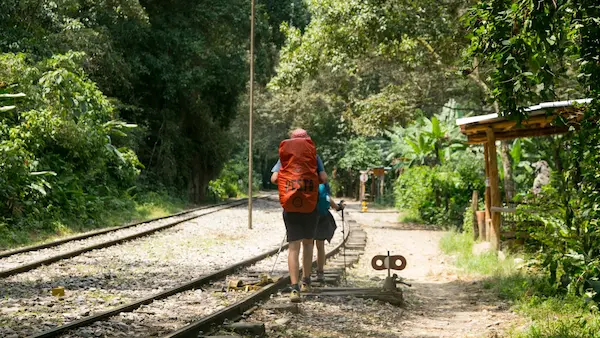
Inca Jungle Trek: Extreme adventure to the Citadel
If you’re the type of traveler who can’t sit still, loves adrenaline, and wants a route that mixes nature with action, the Inca Jungle Trek is absolutely made for you. This is not a traditional hike—it’s a full adventure circuit that combines trekking with mountain biking, rafting, and even ziplining through the Peruvian jungle. It’s perfect for those who want to reach Machu Picchu in a fun, energetic, and unconventional way.
And for many travelers who search how do you get to Machu Picchu through a more thrilling route, the Inca Jungle stands out as one of the most exciting alternatives.
What makes it unique?
- You start biking downhill from the Andes into the jungle: The adventure begins at Abra Málaga (4,316 m), an impressive high-mountain pass. From here, you descend for hours by bike through changing climates, from the chilly Andes to the warm jungle. It’s one of the longest and most scenic downhill rides in Cusco.
- Rafting in the rivers near Santa María: If weather and river conditions allow, you can join a thrilling rafting session through Class II–III rapids. It’s refreshing, fun, and adds a burst of adrenaline right in the middle of the journey.
- Hiking through plantations and jungle trails: As you trek deeper into the tropical zone, you’ll pass through coffee, banana, and cacao farms, where you can learn about local production and taste fresh products. You’ll also walk along sections of ancient Inca paths surrounded by lush vegetation, waterfalls, and tall mountains.
Essential trek information
- You’ll hike through coffee, banana, and cacao plantations.
- Duration: 3 to 4 days
- Difficulty level: Medium (but physically demanding due to activity mix)
- Total distance: 50 km (including biking and hiking)
- Highest point: Abra Málaga (4,316 m a.s.l., by bike)
- Requirements: Ability to ride a bike, love for adventure, minimum physical condition.
- Restrictions: Not suitable for people with fear of heights or heart problems. Some activities have age restrictions.
End of the trek
The Inca Jungle Trek ends in Aguas Calientes, where you rest before your guided visit to Machu Picchu the next morning. It’s one of the most rewarding ways to reach the citadel—after biking, hiking, and exploring the jungle, finally stepping into Machu Picchu feels beyond epic.
You might also be interested in: Find out the best time to travel to Peru
Short Inca Trail: History without the exhaustion
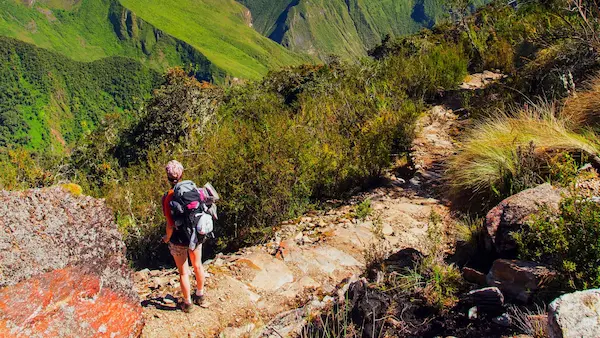
Not everyone has the time or physical readiness to take on the full 4-day Inca Trail — and that’s exactly why the Short Inca Trail exists. It’s the perfect option for travelers who want to experience the magic of arriving at Machu Picchu on foot, entering through the legendary Sun Gate (Inti Punku), but in just two days. It’s ideal if you’re short on time, prefer a moderate challenge, or simply want a taste of the ancient Qhapaq Ñan without committing to the full route.
What makes this route special?
You’ll walk along authentic stretches of the original Inca trail network, surrounded by cloud forests, orchids, and panoramic views. The highlight is Wiñay Wayna — a stunning archaeological complex built into the mountainside, famous for its terraces and water channels. Few travelers see it, but almost everyone who does calls it one of the most beautiful sites on the entire Inca Trail.
That final stretch toward the Sun Gate is unforgettable. As you reach Inti Punku and catch your first glimpse of Machu Picchu from above, you get the same breathtaking view the ancient Inca messengers once had. It’s a moment that feels earned, even if it’s a shorter hike.
Highlights of the route:
- Walk along original Qhapaq Ñan (Inca trail network) paths.
- Visit Wiñay Wayna, a beautiful lesser-known archaeological site.
- Arrive at Machu Picchu on foot, without the full 4-day trek.
- Duration: 2 days
- Difficulty level: Medium
- Distance: About 10 km
- Highest point: 2,700 m a.s.l.
- Requirements: Advance permit required, good physical condition for a long day of hiking.
- Restrictions: Limited spots; often sold out months in advance.
- Ending: Direct arrival at Machu Picchu via the traditional pedestrian entrance.
Huchuy Qosqo Trek: The hidden gem
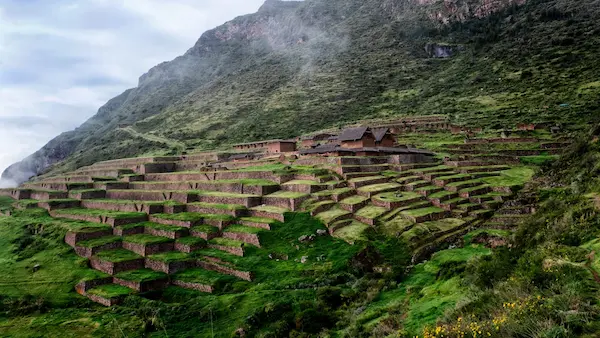
If you’re looking for a trekking experience that feels authentic, untouched, and far from the crowds, the Huchuy Qosqo Trek is one of the best-kept secrets in the Cusco region. This route leads you to Huchuy Qosqo, an ancient Inca administrative center perched high above the Sacred Valley, offering breathtaking panoramic views that few travelers ever get to witness. It’s a short trek, but one packed with history, solitude, and landscapes that feel straight out of another era.
What makes it special?
This trail takes you along original Inca paths, through canyons, open highlands, and remote Andean communities. You’ll camp beneath a sky overflowing with stars, completely disconnected from noise and tourism. In many sections, you’ll trek for hours without encountering another person—making it one of the most peaceful alternatives for reaching the Sacred Valley before continuing your journey toward Machu Picchu.
Route details
- Hike along original Inca trails.
- Camp under the stars in the middle of nowhere.
- Walk through areas where you’ll likely not see another tourist.
- Duration: 2 to 3 days
- Difficulty level: Medium
- Distance: 17 to 20 km
- Highest point: 4,200 m a.s.l.
- Requirements: Warm clothing, basic acclimatization, readiness to camp.
- Restrictions: Unpredictable weather, limited tourist services.
- Final route: From Lamay, continue to Ollantaytambo and then to Machu Picchu.
You might also be interested in: What to do in Lima: Discover culture, flavor and history
Tips for choosing your route
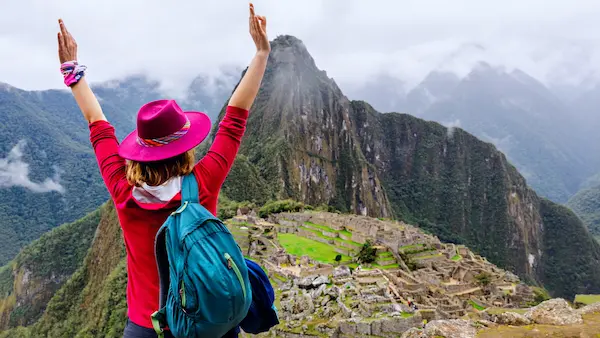
Choosing the right trek to Machu Picchu can completely shape your experience, especially if you’re still figuring out How do you get to Machu Picchu depending on your style, time, and physical condition. Here are essential tips to help you make the best choice:
Assess your fitness level
Not all routes demand the same physical effort. Treks like Salkantay or Lares involve high-altitude passes, long walking days, and steep ascents. If you’re not used to hiking at altitude, it’s crucial to spend at least 2–3 days acclimatizing in Cusco before starting. Those seeking something gentler can look at shorter options like the 2-Day Inca Trail or Huchuy Qosqo, which still offer incredible scenery without the extreme demands.
Plan ahead
Even the less crowded routes require some level of planning. The Classic Inca Trail, for example, needs permits that often sell out months in advance. While alternatives like Salkantay or Lares don’t usually require permits, reputable agencies still manage logistics, campsites, and coordination with local communities. Booking early ensures better guides, better equipment, and a safer overall journey.
Support sustainable tourism
Many treks pass through Andean communities, so your choices matter. Opt for local agencies that respect cultural traditions, employ residents, and contribute directly to the villages along the route. This helps keep tourism fair, preserves ancestral customs, and ensures that the economic benefits reach the people who protect these landscapes.
Check the weather
Peru’s Andes have two clear seasons:
- Dry season (April–October): best for trekking, with sunny days and clearer trails.
- Rainy season (November–March): trails become muddy, river crossings more difficult, and visibility decreases.
If trekking in the rainy season is your only option, make sure you’re prepared for sudden changes in weather and always follow guide recommendations.
Bring the right gear
Good equipment can make or break your trek. Essentials include sturdy trekking boots, breathable layers, a quality backpack, headlamp, rain gear, and a warm sleeping bag if camping. Some routes also require trekking poles, especially for downhill sections that can be hard on your knees. Being well-equipped ensures comfort, safety, and a more enjoyable experience from start to finish.
What about the Classic Train?
If trekking isn’t really your thing — or you’re short on time — taking the classic train is the easiest and most comfortable way to reach Machu Picchu. You can hop on from Cusco, Ollantaytambo, or even Urubamba, and enjoy a scenic ride through valleys, rivers, and mountain walls that look like something out of a documentary. It’s hands down the most popular option, especially for travellers who want the experience without the physical effort.
Once you arrive in Aguas Calientes, you’ve got two choices: take the bus up the final stretch to the citadel or walk the steep trail to the entrance if you fancy a small challenge. Even without days of trekking, you still get to feel that Andean energy — the sound of the river, the jungle atmosphere, and the anticipation as you get closer to the site. And if you want a bit more adventure, you can always combine the train with short hikes like Mandor, Putucusi, or even additional circuits inside the archaeological park.
In Summary: A thousand paths, one destination
At the end of the day, reaching Machu Picchu isn’t just about getting from point A to point B — it’s about choosing the journey that feels right for you. Whether you cross icy passes on the Salkantay route, share stories with Quechua families in Lares, bike through the jungle on the Inca Jungle Trek, or explore hidden trails like Huchuy Qosqo, every route has its own character, its own rhythm, and its own kind of magic.
Each one offers something different: raw nature, living culture, heart-pumping adventure, or peaceful solitude. And regardless of which path you choose, they all lead to the same breathtaking reward — standing before Machu Picchu after a journey that’s yours and yours alone.
So pick the route that speaks to you, lace up your boots, take a deep breath… and let the Andes do the rest.
