
If you haven’t been to Peru before, it’s pretty normal to get the wrong picture of what hiking in Peru there actually feels like. The internet doesn’t help much either, most photos look like they were taken at the edge of the world, with huge cliffs and clouds moving around like something from a movie.
It’s beautiful, but it gives the impression that every trail is some extreme challenge only fit for athletes or people who live outdoors, however once you start reading real experiences or talking to people who’ve actually gone, the whole idea changes.
A lot of the routes are much simpler than they look, and many are just pleasant, in the way a long walk on a quiet morning is pleasant. You move along slowly, stop when you want, take in the view, maybe get a bit out of breath, but nothing extreme. What surprises most travelers is how quickly you start to feel comfortable—not because the trails are effortless, but because the landscapes make you forget you’re even “hiking.” Peru has that effect: it pulls you in gradually, without pressure, without expecting you to be an expert on your first day.
You might also be interested in: Sacred valley tour from Urubamba
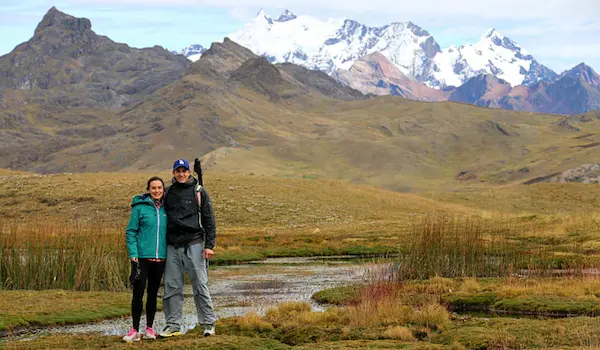
7 accessible trails to begin hiking in Peru
Exploring the Andes for the first time doesn’t have to be overwhelming. These seven routes offer manageable distances, steady paths, and memorable landscapes that make hiking in Peru a comfortable and rewarding experience for beginners.
1. Panoramic trails in the Sacred Valley
For those beginning to explore hiking in Peru, the Sacred Valley offers an ideal mix of pleasant weather, traditional villages, and moderate trails. Most paths cut through crop fields, Inca terraces, and gentle mountainsides, allowing travelers to walk at a steady pace without steep climbs.
Many visitors are surprised by how many hiking routes connect communities like Chinchero, Maras, and Ollantaytambo. Some are just a couple of hours long—perfect for adjusting to the altitude—while others stretch a bit more but always leave room to stop and enjoy the Andean scenery without hurry.
2. Short walk to Moray’s Terraces and the Maras Salt Mines
For those seeking culture without sacrificing nature, this route is one of the most complete. The two areas are linked by calm, scenic paths perfect for anyone exploring hiking in Peru from a relaxed perspective. The trail offers a sense of discovery through wide landscapes and archaeological contrasts.
This region is also ideal for beginners starting to appreciate Andean hiking routes. The mountains surrounding Maras offer beautiful views of the Sacred Valley and help travelers understand how geography shaped ancient Andean civilizations.
3. Short route to Huayna Picchu
Although the name may sound intimidating, the Huayna Picchu trail is shorter than most imagine. It is steep in parts, but manageable for first-timers who take breaks and move at their own pace. The real charm lies in the context: facing Machu Picchu, looking down at the terraces, and walking paths carved centuries ago gives this hike a unique character.
Among the hiking routes connected to Machu Picchu, this one is a favorite for travelers wanting a mix of archaeology and nature without long distances. Many visitors exploring this area often pair the visit with the inca trail 2 days, a short option growing in popularity among those with limited time.
You might also be interested in: Guided tour to Machu Picchu: everything you need to know before you go
4. Trail to Humantay Lake
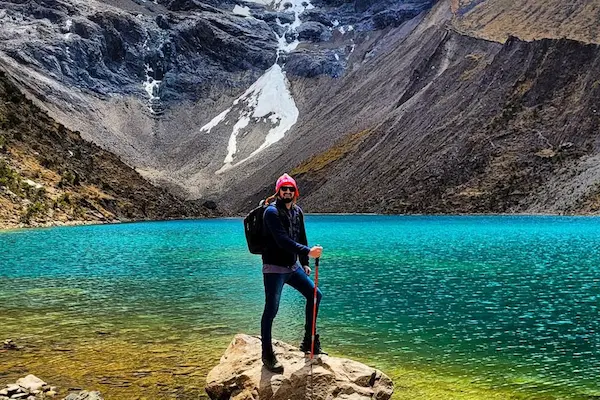
Humantay Lake has become almost unavoidable for anyone visiting Cusco. The trail can feel steep, but it’s short and easy to walk at your own rhythm. Each step reveals a wider landscape until the turquoise lake appears beneath the glacier.
Its biggest advantage is that, despite the effort, it remains very accessible for beginners. It’s also part of itineraries that showcase some of the most impressive Andean landscapes in the region. Many visitors continue afterward to explore nearby areas and take on the lares trek 3 days, a quieter alternative combining living culture and nature.
5. Route to Rainbow Mountain
Within the world of hiking in Peru, few images have become as iconic as the colorful slopes of Rainbow Mountain. The walk is relatively short, though the altitude requires attention. Upon reaching the viewpoint, the landscape widens into a vast, otherworldly panorama.
The area also offers side trails, quieter paths, and natural overlooks that shift depending on the daylight. Many well-acclimatized hikers take the chance to join the rainbow mountain and red valley tour, a perfect add-on for those who enjoy geological contrasts.
6. Gentle trail through Pisac
Pisac is one of those places where hiking takes on a more peaceful rhythm. The paths are well-marked and follow endless agricultural terraces. The first climb is moderate, and once at the top, everything opens into panoramic views.
It’s an excellent option for travelers looking for hiking routes that blend nature and archaeology without demanding long hours of walking. The ascent isn’t extreme, and the valley views make every step worthwhile.
You might also be interested in: Top 7 things to do in Cajamarca for travelers
7. Trail to Choquequirao
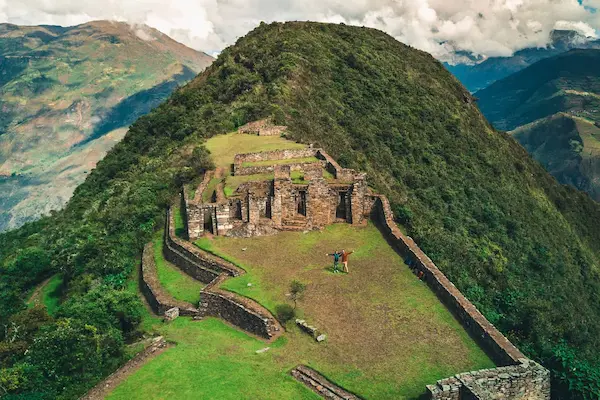
Although this is a longer route, the first sections of the trail are surprisingly friendly for beginners. What stands out most is the sense of isolation: here, the Andean landscapes appear in their purest form, far from crowds and noise.
While it’s not always the first choice for new hikers, the beginning of the route is perfect for those wanting a deeper introduction to hiking in Peru.
The trail offers meaningful contact with nature and a different perspective on Andean heritage. For many, this walk becomes the first step toward a growing interest in tourism in Peru, especially in destinations that preserve their authenticity.
When is the best time to go hiking in Peru?
The best time to go hiking in Peru is during the dry season, from May to September. These months offer much more stable conditions: clear skies, firm trails, and a lower chance of rain interfering with your plans. The landscapes also tend to look sharper and more vibrant, which is ideal for beginners and anyone who wants to enjoy panoramic routes without unexpected weather issues.
While it’s possible to hike all year round, this period provides the safest and most comfortable experience, especially for travelers exploring the Andes for the first time.
What are the worst months?
The worst months for hiking in Peru are January, February, and part of March, mainly due to the heavy rains that hit the Andes during this period. Trails can become muddy or slippery, visibility drops, and some routes may even close for safety reasons. Aside from the weather itself, transportation and access to certain remote areas can also be affected, which adds another layer of difficulty for travelers.
While it’s still possible to hike in some regions, most visitors prefer avoiding these months to ensure a safer, more comfortable experience.
You might also be interested in: 20 Tourist places in Cusco
Essential tips for hiking in Peru
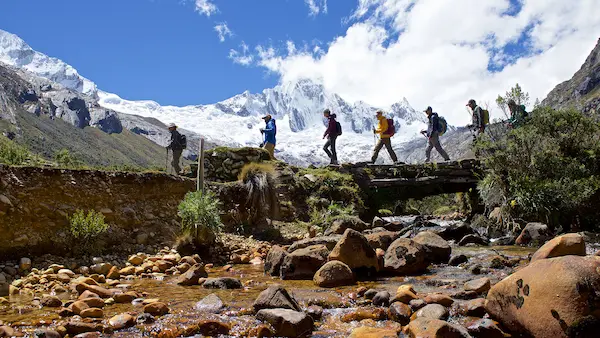
Preparing for hiking in Peru goes beyond choosing the right trail. The altitude, weather shifts, and the physical effort can surprise even experienced travelers, so keeping a few practical tips in mind makes a big difference. Here are some of the most helpful and realistic recommendations before heading into the Andes:
- Give yourself time to acclimate: Altitude affects everyone differently. Spend at least one or two days in Cusco or the Sacred Valley before starting any hike, even short ones. Your body needs this adjustment to avoid headaches, dizziness, or shortness of breath.
- Stay hydrated throughout the day: Dry mountain air and altitude can dehydrate you faster than you expect. Drink water consistently, not just during the hike. Staying hydrated helps manage altitude symptoms and keeps your energy steady.
- Pack layers for sudden weather changes: Temperatures shift quickly in the Andes. Mornings can be cold, afternoons warm, and the wind unpredictable. Always carry layers you can add or remove easily, including a lightweight waterproof jacket.
- Don’t rush the trail: Going too fast at altitude is one of the most common mistakes. Walk at a pace that allows you to breathe normally, take breaks when needed, and focus on steady progress rather than speed. This is especially important for first-time hikers in Peru.
- Bring sun protection even on cloudy days: UV radiation is stronger at higher elevations, and clouds don’t block it. Sunscreen, sunglasses, and a hat are essential. Many travelers underestimate this until they get sunburned on a cool day.
The value of hiking in Peru for travelers exploring the country for the first time
For many travelers arriving in the Andes, hiking in Peru becomes a unique way to get closer to its culture, geography, and traditions. It’s not only a physical activity—it’s a way to understand how local communities have lived with their mountains and valleys for centuries. Accessible paths in Cusco and the Sacred Valley offer a perfect balance between moderate adventure and direct contact with diverse landscapes.
Those with no previous experience appreciate how well-marked the trails are, the variety of route lengths, and the calm atmosphere that encourages walking without pressure. In this sense, hiking in Peru works as a natural bridge to the Andean world. Each route reveals something different: terraces, archaeological remains, lakes, glaciers, or colorful mountains that seem unreal. What makes Peru especially appealing is how close these experiences are to each other, making it one of the best destinations for a first approach to high-altitude hiking.
You might also be interested in: The 5 best hiking trails in Peru
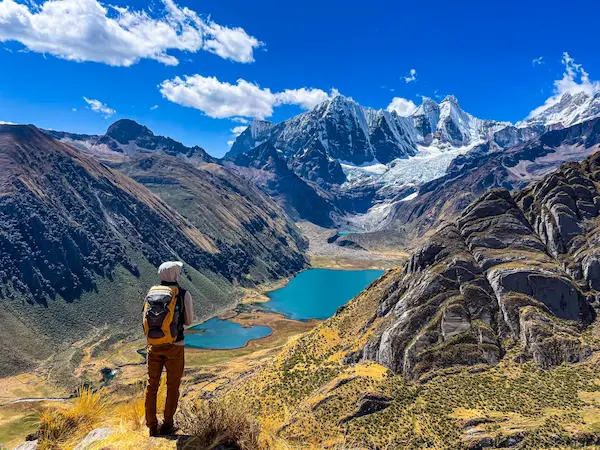
Why hiking in Peru is the best gateway to the Andes
Hiking in Peru offers a simple, straightforward way to understand the essence of the Andean world without extreme routes or long acclimatization periods. For first-time travelers, it becomes the perfect entry point: trails through quiet valleys, mountains that change color with the light, and communities that preserve their customs. Every route allows you to move at an accessible pace while the scenery provides constant reasons to keep exploring. This blend of powerful nature and tradition makes Peru ideal for discovering the Andes step by step.
Conclusion
After going through these routes, it becomes pretty clear that hiking in Peru isn’t about ticking off some big, dramatic accomplishment. It’s more about the way the whole experience settles in slowly. You walk a bit, stop to catch your breath, look around or maybe talk to someone you meet on the trail, and somehow the day just moves on at its own pace.
In the end, these easier trails almost feel like an invitation. They give you just enough challenge to feel proud afterward, but not so much that you regret trying. And that mix tends to stick with people. It’s usually the moment when they start thinking, “Okay… maybe I could try another one next time.” Peru has that effect, gently pulling you back without saying it out loud.
