
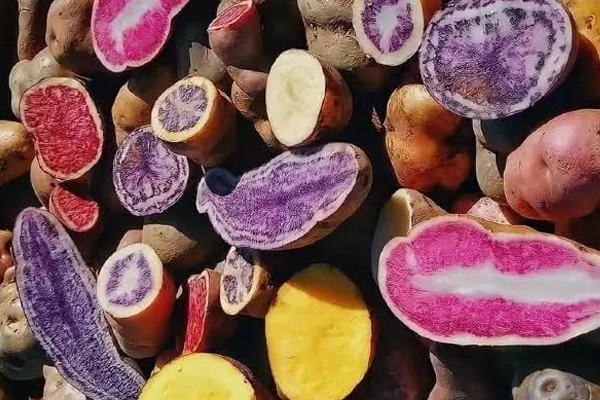
Peru’s potato heritage is closely connected to its landscapes, communities, and culinary traditions. From the thousands of varieties cultivated in the Andes to the traditional methods used to prepare and preserve them, potatoes tell an important story about the country’s history and agricultural knowledge. Each variety reflects the environment where it grows and the generations of farmers who have helped preserve it.
For travellers, experiencing this heritage can be as simple as visiting a local market, trying a traditional potato dish, or learning about Andean farming practices. These experiences provide a more personal connection to Peruvian culture and show how an everyday ingredient can have such deep historical significance.
You might also be interested in: 15 traditional dances of Peru you should know
Why Peru is known for its incredible variety of potatoes
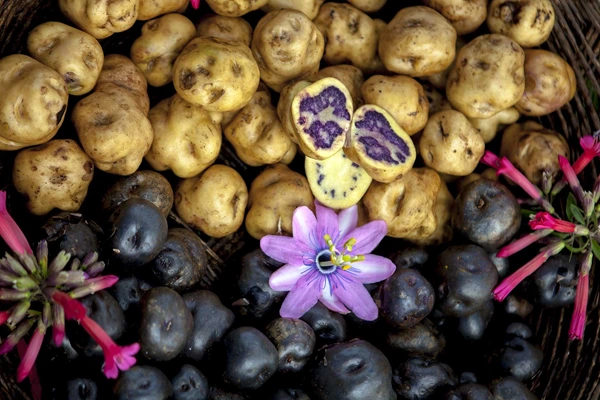
Peru is widely recognised for the remarkable diversity of potatoes cultivated across its territory. From small Andean varieties with colourful skins to potatoes with distinctive textures and flavours, these crops are closely connected to the country’s landscapes and culinary traditions. For travellers interested in Peruvian potatoes, learning about their origins offers another perspective on Peru’s rich agricultural heritage.
Potatoes can be found in countless Peruvian dishes, but their importance goes well beyond the kitchen. They have been cultivated in the Andes for thousands of years and remain closely connected to rural communities, traditional farming practices, and local food culture. This long history has helped make the potato one of the most important symbols of Peru’s agricultural heritage.
The origins of potatoes in the Peruvian Andes
The history of the potato is deeply connected to the highlands of Peru and the wider Andean region. Indigenous communities began cultivating potatoes thousands of years ago, selecting and adapting different varieties to suit the diverse conditions found throughout the mountains. Over time, this knowledge resulted in an extraordinary range of native potatoes with different colours, shapes, flavours, and textures.
Traditional farming communities continue to preserve many of these varieties today. Farmers pass agricultural knowledge from one generation to the next, maintaining cultivation methods that are adapted to the challenging conditions of the Andes. This connection between the land, local communities, and crops is an important part of Peru’s agricultural history.
Why potatoes are an important part of Peruvian culture
Potatoes are deeply woven into Peruvian cuisine and everyday life. They are used in traditional dishes across the country, from simple preparations that highlight their natural flavour to recipes that combine them with sauces, meats, seafood, and other local ingredients. Different varieties are often chosen according to their texture and the type of dish being prepared.
Their cultural importance can also be seen in traditional celebrations and agricultural practices. In many Andean communities, potatoes remain an important part of local economies and food security. For travellers, learning about this connection provides a better understanding of why Peruvian potatoes represent much more than an ingredient and continue to be an important part of the country’s identity.
How many types of potatoes are grown in Peru?
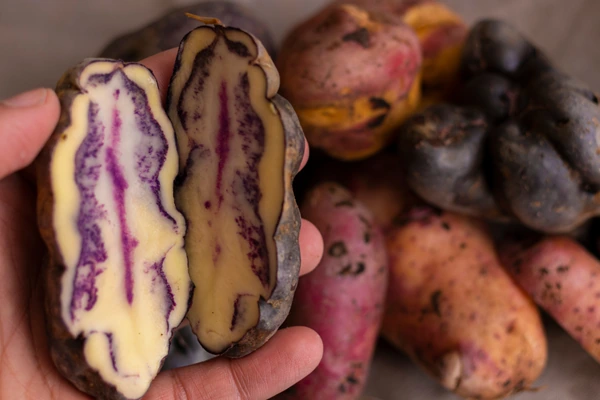
Peru is home to an extraordinary number of potato varieties, particularly native types that have been preserved in the Andes. Their differences can be seen in their size, colour, shape, texture, and flavour, with some varieties cultivated only in specific areas. This diversity makes Peruvian potatoes particularly interesting for travellers who want to understand the relationship between food and geography in the country.
The exact number can vary depending on how varieties are classified, but Peru is recognised as one of the world’s most important centres of potato diversity. Many native varieties remain closely associated with specific farming communities and mountain environments, making them an important part of Peru’s agricultural heritage.
The incredible diversity of native Peruvian potatoes
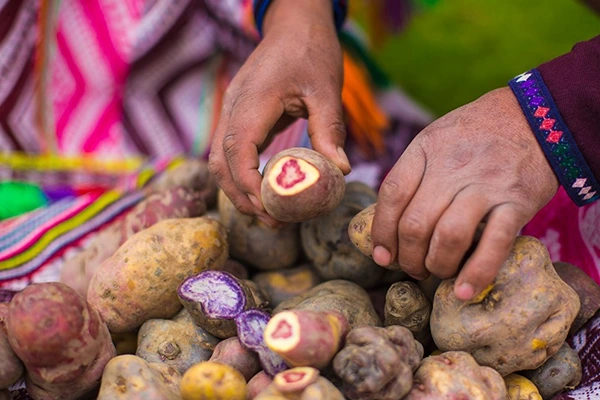
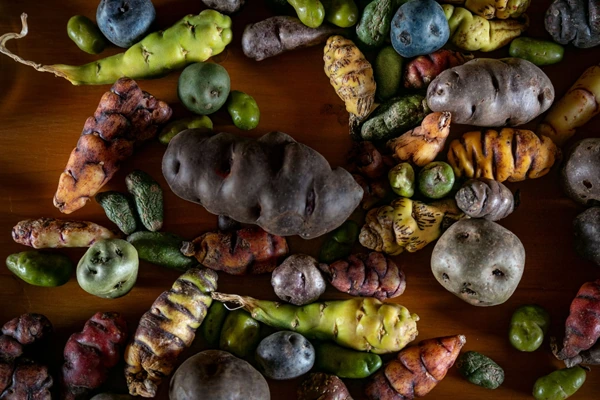
Native potatoes come in an impressive range of colours and forms. Some have yellow, purple, red, or almost black skins, while others may have unusual shapes that look very different from the potatoes commonly found in supermarkets. Their flavours and textures also vary, making each variety suited to different traditional preparations.
This diversity is the result of generations of careful selection by Andean farmers. Communities have preserved varieties that are well adapted to local soils, altitudes, and climates, allowing potatoes to thrive across challenging mountain environments. The continued cultivation of these native crops demonstrates the depth of agricultural knowledge found in the Peruvian Andes.
Where different potato varieties are grown
Potato cultivation is particularly important in the highlands, where farmers grow different varieties according to altitude, climate, and local conditions. Regions across the Andes, including areas around Cusco, Puno, Ayacucho, Huancavelica, and Junín, are known for their potato production. Each area can have its own selection of native varieties and agricultural traditions.
The relationship between altitude and potato cultivation is especially significant. Farmers have developed ways to grow different varieties across distinct ecological zones, adapting their practices to the environment around them. Travellers exploring the Andes can encounter this agricultural heritage in local markets, rural communities, and traditional food experiences throughout the region.
You might also be interested in: Travel photography in Peru: 15 best places for photographic tourism
10 Peruvian potato varieties you should know
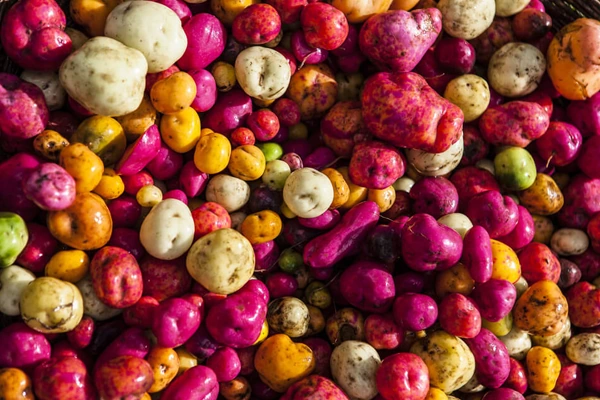
The diversity of Peruvian potatoes is one of the most interesting aspects of the country’s culinary and agricultural heritage. Each variety has its own colour, texture, flavour, and preferred way of preparation, reflecting the different environments where potatoes are cultivated across the Andes.
From the bright yellow Papa Amarilla to the colourful Papa Peruanita and Papa Púrpura, these varieties are used in traditional recipes and everyday meals throughout Peru. Learning about them also offers travellers a closer look at the agricultural knowledge and food traditions that have been preserved by Andean communities for generations.
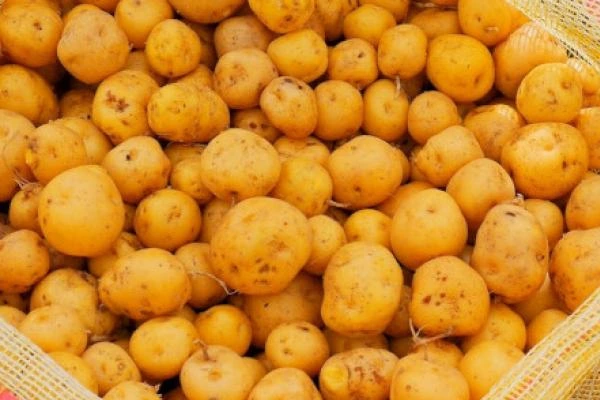
1. Papa amarilla
Papa Amarilla is one of the best known Peruvian potato varieties and an important ingredient in many traditional dishes. It has a naturally yellow interior, a soft texture when cooked, and a rich flavour that makes it particularly popular in Peruvian cuisine. It is commonly used in dishes where its creamy consistency can be appreciated.
This variety is closely associated with classic preparations such as causa and papa a la huancaína. Its distinctive texture also makes it a popular choice for mashed potatoes and other traditional recipes. For travellers interested in Peruvian food, tasting Papa Amarilla is an excellent introduction to the country’s remarkable potato heritage.
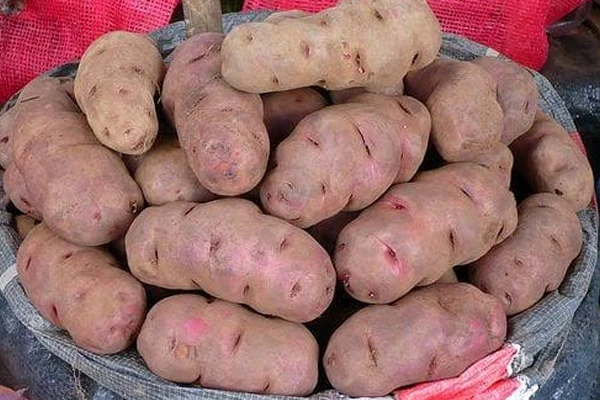
2. Papa Huayro
Papa Huayro is a colourful Andean variety recognised for its reddish or purple skin and distinctive appearance. Its interior can have a contrasting colour, making it particularly easy to identify in local markets. It is cultivated in the highlands and remains an important part of traditional Andean agriculture.
This variety is appreciated for its flavour and firm texture, which allows it to work well in different traditional preparations. Travellers visiting Andean markets may come across Papa Huayro alongside many other native Peruvian potatoes, providing an opportunity to see the diversity of crops grown in the region.
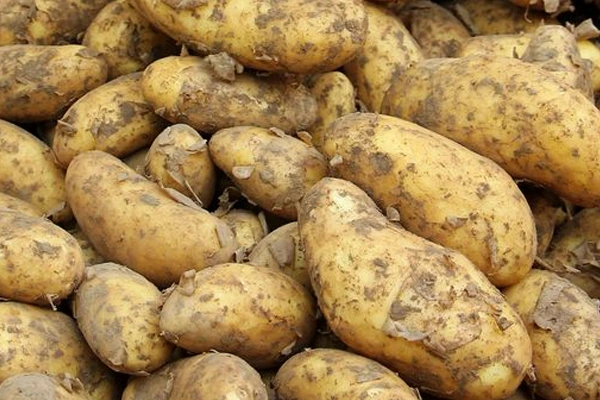
3. Papa Huamantanga
Papa Huamantanga is a native variety associated with the central Andes and is appreciated for its distinctive flavour and texture. Its appearance can vary, but it is generally recognised for its light skin and creamy interior. The variety is particularly valued in traditional Peruvian cooking.
It is often prepared in simple ways that allow its natural flavour to stand out. Like many native Peruvian potatoes, Papa Huamantanga reflects the agricultural knowledge developed by Andean communities over generations and remains an important part of regional food traditions.
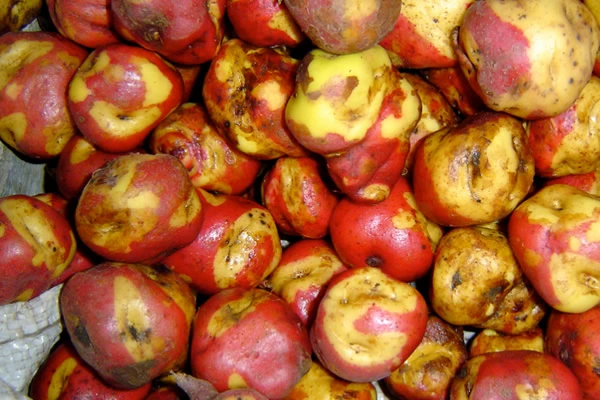
4. Papa Peruanita
Papa Peruanita is known for its attractive skin, which commonly features shades of red and cream. Its colourful appearance makes it one of the most recognisable native Peruvian potatoes found in local markets. It is cultivated in the Andes and is valued both for its appearance and culinary qualities.
The variety can be boiled, roasted, or incorporated into traditional dishes, depending on the preparation. For travellers visiting Peru, seeing Papa Peruanita in a local market offers a simple way to appreciate the extraordinary range of colours and shapes found among native Andean crops.
5. Papa Púrpura
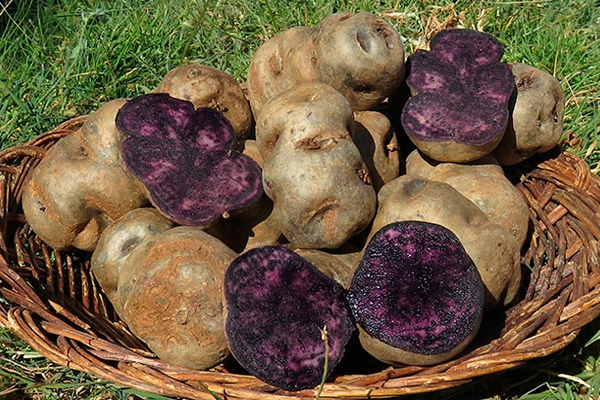
Papa Púrpura stands out for its deep purple colouring, which comes from naturally occurring pigments in the potato. Its striking appearance makes it particularly interesting for visitors encountering the diversity of Peruvian potatoes for the first time. It is cultivated in different areas of the Andes and forms part of Peru’s rich collection of native varieties.
Its colour can become especially noticeable when the potato is sliced or cooked. It can be used in a variety of preparations, although many cooks choose simple methods that allow its natural characteristics to remain visible. Its distinctive appearance also makes it a popular ingredient in contemporary interpretations of Peruvian cuisine.
6. Papa Tarmeña
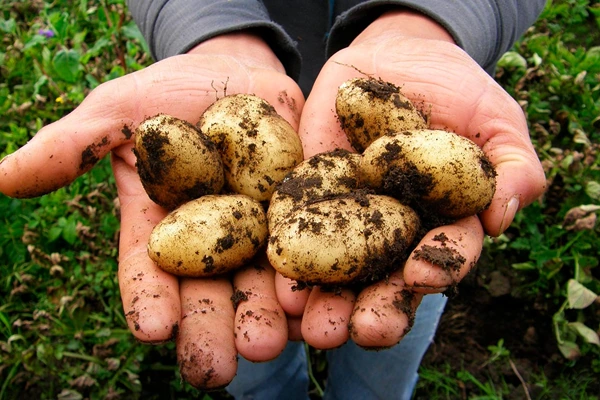
Papa Tarmeña is associated with the Tarma area of Junín and is valued for its culinary versatility. It has a relatively smooth texture and can be used in different traditional preparations. The variety reflects the importance of potato cultivation in the central highlands of Peru.
Like other native Peruvian potatoes, Papa Tarmeña is connected to local agricultural practices and regional food traditions. Visitors interested in Andean cuisine may encounter it in markets and dishes prepared with ingredients sourced from nearby farming communities.
7. Papa Canchan
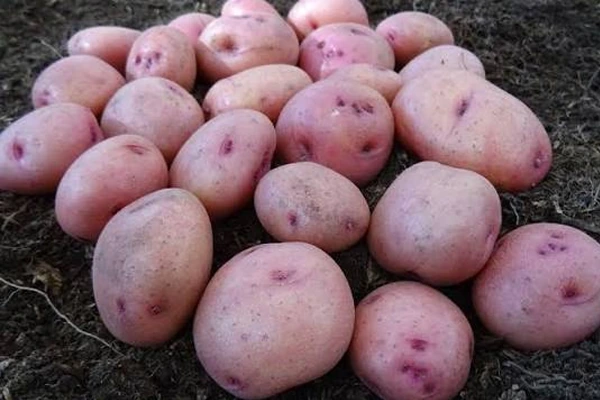
Papa Canchan is a popular variety recognised for its reddish or pinkish skin and pale interior. It is widely cultivated in Peru and is commonly used in everyday cooking. Its texture makes it suitable for boiling, roasting, and serving alongside a variety of traditional dishes.
Although it may look different from some of the more unusual native varieties, Papa Canchan demonstrates the diversity found within modern Peruvian potatoes. It can be found in markets across different parts of the country and remains a familiar ingredient in Peruvian households.
8. Papa Perricholi
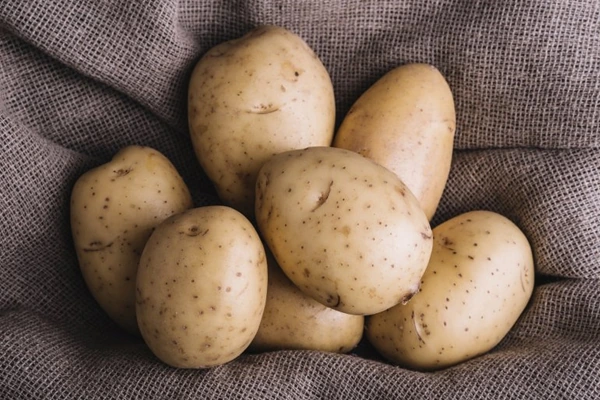
Papa Perricholi is a variety developed in Peru and is known for its attractive appearance and culinary versatility. Unlike some ancient native varieties, it represents the continued development of potato cultivation in the country. Its characteristics make it suitable for different types of cooking.
Its presence alongside native varieties demonstrates how Peru’s potato heritage continues to evolve. Travellers visiting local markets can often see how traditional crops and newer varieties coexist, reflecting the long history and ongoing importance of potatoes in Peruvian agriculture.
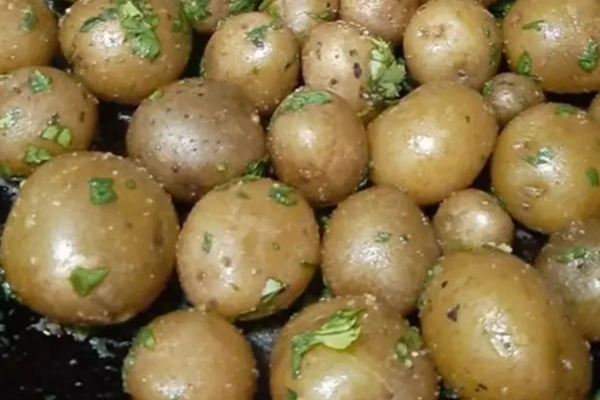
9. Papa Cóctel
Papa Cóctel refers to small potatoes that are particularly popular for their convenient size and attractive appearance. They can be found in different colours and are commonly prepared whole, allowing their natural texture and flavour to remain intact. Their small size makes them especially suitable for roasting or serving as a side dish.
These potatoes have become increasingly popular in modern Peruvian cuisine while remaining connected to the country’s broader potato tradition. For travellers, trying Papa Cóctel provides another example of how Peruvian potatoes can be prepared in simple ways that highlight their natural qualities.
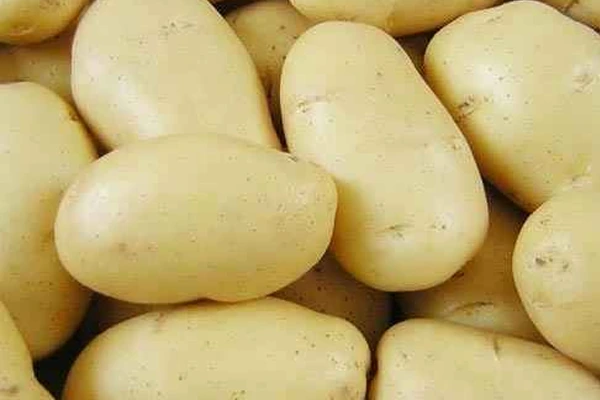
10. Papa Blanca
Papa Blanca is one of the most familiar potato varieties found in Peru and is widely used in everyday cooking. It has light coloured skin and flesh and can be prepared in numerous ways. Its versatility makes it a practical ingredient for both traditional meals and contemporary recipes.
Although it may appear more familiar than some of the colourful native varieties, Papa Blanca still forms an important part of Peru’s food culture. Together with the many other Peruvian potatoes grown across the country, it demonstrates how potatoes continue to be an essential ingredient in Peruvian cuisine and daily life.
How Peruvian potatoes are traditionally prepared
The variety of Peruvian potatoes is not only reflected in their colours and textures, but also in the many traditional ways they are prepared. Across the Andes, communities have developed cooking and preservation methods that make the most of locally grown potatoes while adapting them to the climate and available resources.
Some techniques have been used for centuries and remain part of Andean food culture today. From cooking potatoes underground to preserving them for long periods, these methods show how important Peruvian potatoes have been to local communities and how agricultural knowledge has been passed down through generations.
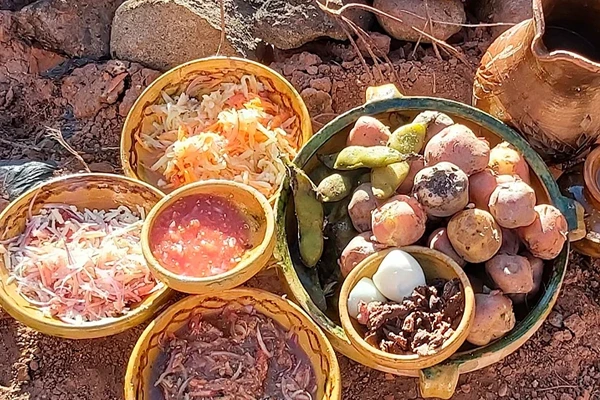
Huatia
Huatia is a traditional Andean cooking method in which potatoes are cooked inside a small oven made from earth and heated with stones. Once the stones reach the right temperature, the potatoes are placed inside and covered with soil, allowing them to cook slowly. The result is a tender potato with a distinctive earthy flavour.
This preparation is particularly associated with the agricultural communities of the Andes and is often enjoyed during planting or harvesting seasons. For travellers interested in Peruvian potatoes, experiencing a traditional huatia offers a direct connection to the agricultural traditions that have shaped Andean cuisine for generations.
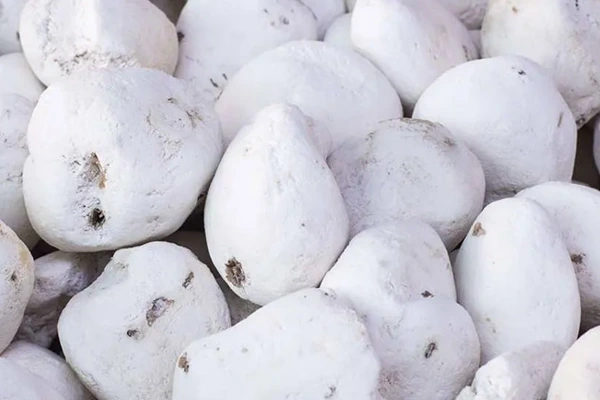
Chuño
Chuño is one of the most distinctive traditional ways of preserving Peruvian potatoes. The process involves exposing potatoes to the cold temperatures of the high Andes, allowing them to freeze naturally before being dried. This technique makes it possible to preserve potatoes for long periods without modern refrigeration.
There are different types of chuño, and the process can vary depending on the region and local traditions. Once preserved, chuño can be stored and later rehydrated for use in soups, stews, and other Andean dishes. It demonstrates the practical knowledge developed by communities living at high altitudes.
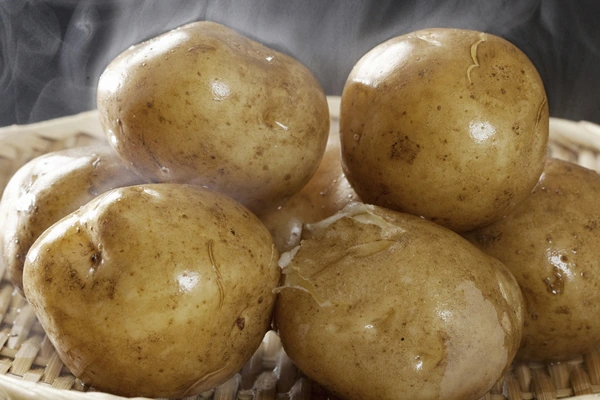
Papa sancochada
Boiling is one of the simplest and most common ways to prepare Peruvian potatoes. Depending on the variety, boiled potatoes can have a creamy, firm, or slightly grainy texture, making each type suitable for different dishes. This straightforward method allows the natural flavour of the potato to remain the main focus.
Boiled potatoes are often served alongside traditional meals or combined with sauces, vegetables, meats, and seafood. In local homes and restaurants, this preparation demonstrates how an everyday ingredient can form the foundation of many Peruvian recipes.
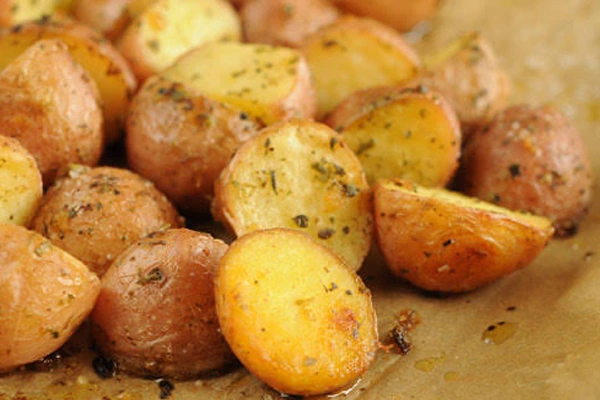
Papa asada
Roasting potatoes is another traditional preparation that brings out their natural flavour and creates a crisp exterior while keeping the inside soft. Different varieties of Peruvian potatoes can be roasted depending on their size and texture, making this method particularly versatile.
In the Andes, roasted potatoes can be prepared using traditional cooking methods or modern ovens. They may be served as part of a larger meal or enjoyed with simple accompaniments that highlight the flavour of the potato itself.
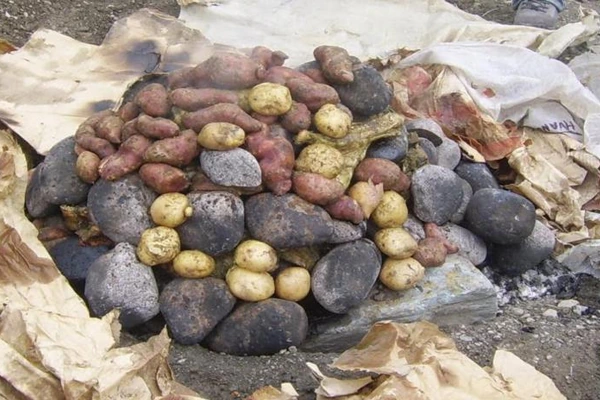
Papa a la piedra
Cooking potatoes with heated stones is another method connected to traditional Andean food preparation. The technique uses the heat retained by stones to cook the potatoes gradually, producing a distinctive texture and flavour. Methods can vary between communities depending on local customs and available resources.
These traditional techniques highlight the close relationship between Peruvian potatoes, the Andean environment, and local agricultural knowledge. For travellers exploring rural areas, learning about these methods can provide a more personal understanding of how food traditions have developed alongside the landscape.
You might also be interested in: Manu National Park: Best journey into the heart of the Amazon
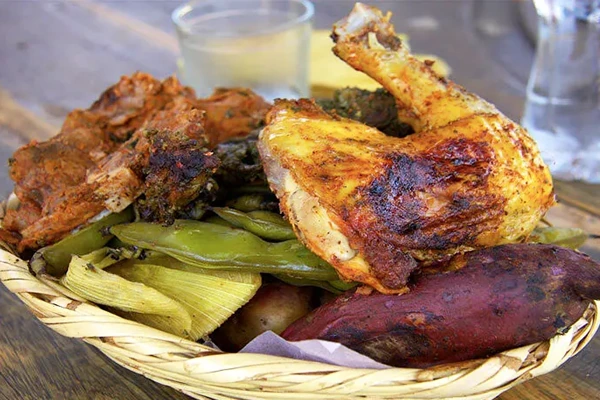
Traditional Peruvian dishes made with potatoes
Potatoes are present in countless Peruvian recipes, from simple home cooked meals to dishes served in restaurants throughout the country. The extraordinary variety of Peruvian potatoes means that cooks can select different types depending on the texture, colour, and flavour they want to achieve.
Some potato dishes have become symbols of Peruvian cuisine and are enjoyed throughout the country. Others are strongly associated with particular regions and culinary traditions. Trying these dishes while travelling offers visitors an easy and delicious way to experience Peru’s agricultural and gastronomic heritage.
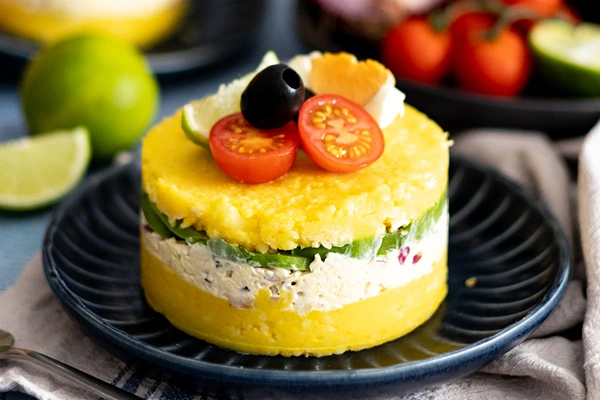
Causa Limeña
Causa Limeña is one of Peru’s best known potato dishes and is traditionally prepared using yellow potatoes. The potatoes are cooked, mashed, and seasoned with ingredients such as lime juice and ají amarillo before being layered with fillings that can include chicken, tuna, avocado, or vegetables.
The creamy texture of the potato makes causa particularly distinctive. It is commonly served cold and can be found in restaurants and homes throughout Peru. For visitors interested in trying Peruvian potatoes in a dish that combines traditional ingredients with creative presentation, causa is an excellent choice.
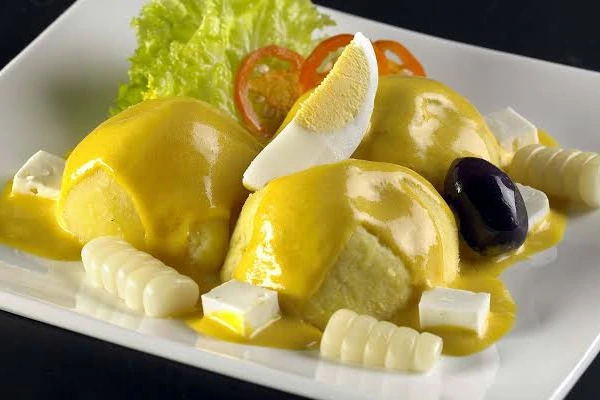
Papa a la Huancaína
Papa a la Huancaína consists of boiled potatoes served with a creamy sauce traditionally made with queso fresco, ají amarillo, milk, and other ingredients. The dish is commonly presented with lettuce, olives, and slices of hard boiled egg, creating a simple but colourful plate.
Although its exact origins are associated with different stories, the dish has become a staple of Peruvian cuisine. It also demonstrates how a basic preparation of Peruvian potatoes can be transformed into a dish with a rich and distinctive flavour.
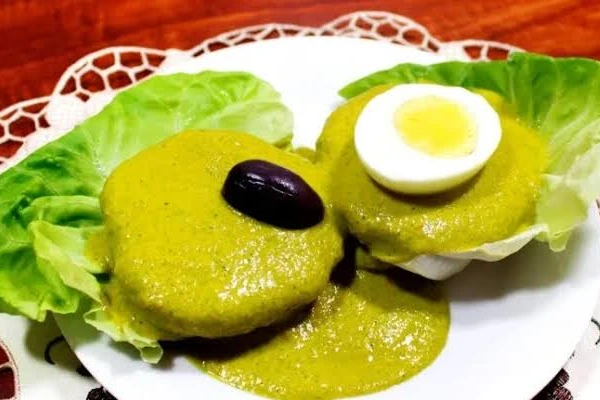
Ocopa
Ocopa is a traditional dish from Arequipa that features boiled potatoes covered with a creamy green sauce. The sauce traditionally combines ingredients such as huacatay, peanuts, cheese, milk, and ají, creating a flavour that is both fresh and slightly spicy.
The dish is usually served with olives, lettuce, and hard boiled egg. Its strong connection to Arequipean cuisine makes it an interesting option for travellers who want to experience how Peruvian potatoes are incorporated into regional cooking.
Carapulcra
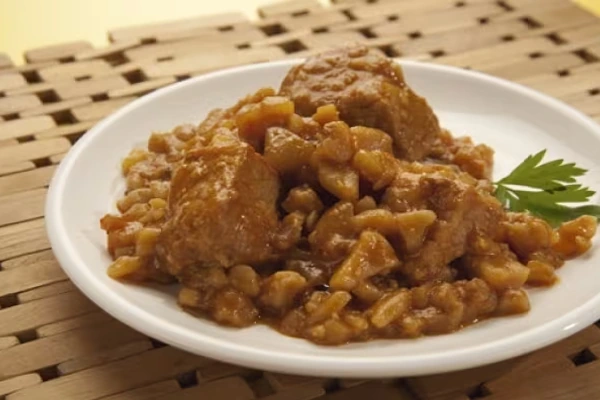
Carapulcra is a traditional Peruvian stew prepared with dried potatoes known as papa seca. The potatoes are cooked with ingredients such as pork or chicken, peanuts, ají, and spices, creating a rich and hearty dish with deep flavour.
The use of dried potatoes demonstrates the importance of preservation techniques in Peruvian food culture. Carapulcra also shows how Peruvian potatoes can take on completely different characteristics depending on how they are processed and prepared.
Locro de papas
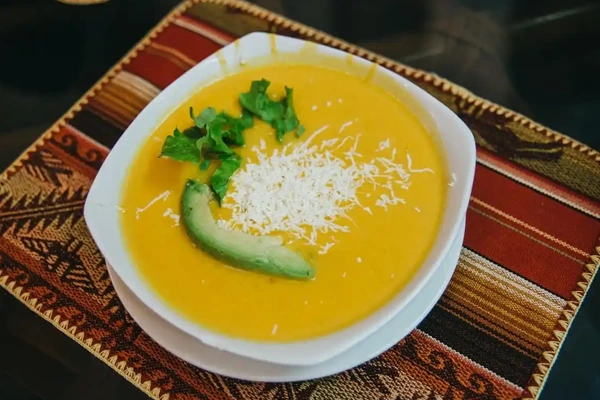
Locro de papas is a comforting Andean potato stew particularly associated with the highlands. It is commonly prepared with potatoes, cheese, milk, herbs, and ají, although ingredients can vary between regions and households.
The dish is especially suited to the cooler climate of the Andes and reflects the importance of potatoes in traditional mountain cuisine. For travellers visiting the Peruvian highlands, trying locro de papas provides another opportunity to experience the versatility of Peruvian potatoes and their connection to local food traditions.
Where to experience Peruvian potatoes during your trip
For travellers interested in Peruvian potatoes, a trip through the country offers plenty of opportunities to see how this important crop is connected to local food and culture. From colourful markets filled with native varieties to traditional dishes prepared with locally grown potatoes, these experiences provide a closer look at an ingredient that has been part of Peruvian life for thousands of years.
Exploring Peru’s potato culture also allows visitors to go beyond the usual culinary experiences. Visiting local markets, trying regional dishes, and travelling through Andean communities can reveal the remarkable diversity of potatoes and the agricultural knowledge behind them. These encounters offer a meaningful way to understand how food, landscape, and cultural traditions are connected throughout Peru.
Local markets and traditional food experiences
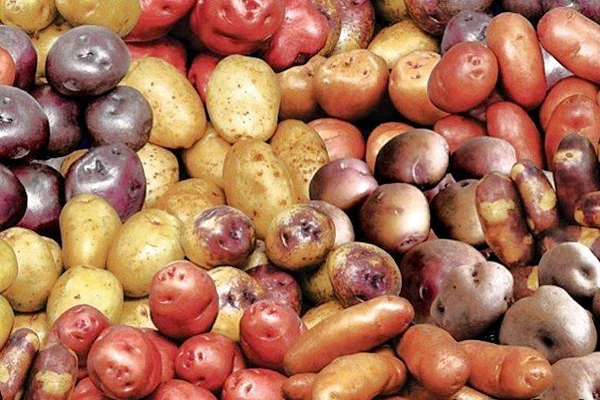
Local markets are among the best places to see the diversity of Peruvian potatoes in person. Depending on the region, travellers may encounter potatoes with yellow, purple, red, pink, or cream coloured skins, as well as varieties with different shapes and sizes. Vendors can also provide insight into how particular potatoes are used in local cooking.
Trying traditional dishes is another way to appreciate this diversity. Restaurants, food stalls, and local eateries often use specific potato varieties according to the recipe, allowing travellers to experience differences in texture and flavour. A visit to a Peruvian market followed by a traditional meal can offer a simple but memorable introduction to the country’s potato heritage.
Exploring potato culture in the Peruvian Andes
The Andes are at the heart of Peru’s potato heritage, and travelling through the highlands provides opportunities to see how communities continue to cultivate native varieties. In some rural areas, farmers maintain traditional agricultural practices that have been passed down through generations, adapting their crops to different altitudes and environmental conditions.
For travellers, learning about potato cultivation can add another dimension to an Andean journey. Visiting farming communities, local markets, or cultural experiences can reveal the close relationship between the land, food, and people who have preserved these traditions. It is a valuable way to appreciate why Peruvian potatoes remain such an important part of the country’s identity.
You may also be interested in: 5 Best Peru tour companies: complete ranking and travel guide for 2026
Discover Peru through its native potatoes
Peruvian potatoes are much more than a staple food. They represent thousands of years of agricultural knowledge, regional diversity, and cultural traditions that continue to shape life throughout the country. From colourful native varieties to dishes such as causa, papa a la huancaína, and locro de papas, their importance can be experienced in many different ways.
For anyone travelling through Peru, taking the time to learn about its potato heritage offers a different perspective on the country. Whether exploring an Andean market or enjoying a traditional meal, these experiences allow visitors to connect with local food culture while appreciating the communities that continue to preserve this remarkable agricultural legacy.
