
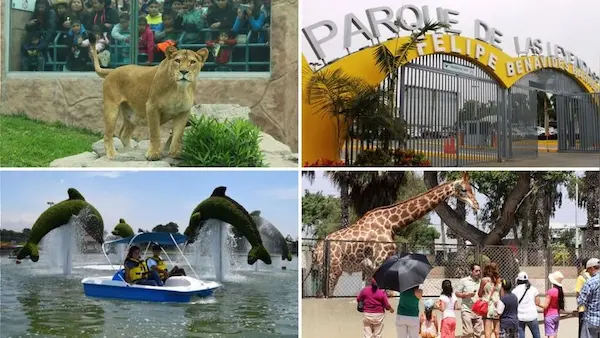
Peru is one of the most biodiverse countries in the world, and the zoos in Peru reflect this extraordinary richness in wildlife, ecosystems and natural heritage. These zoological parks are not only tourist attractions but also important centres for education, conservation and environmental awareness. They bring together species from the coast, Andes and Amazon, offering visitors a unique opportunity to understand how diverse life can be within a single country.
Unlike many traditional zoos around the world, a significant number of them are closely linked to wildlife rescue operations and conservation programmes. This means that many animals are not simply kept for exhibition purposes, but are rescued from illegal trafficking, habitat destruction or injury, and later rehabilitated under professional care.
Zoos in Peru: top 5 wildlife parks you must visit
The zoos in Peru vary widely in size, focus and ecosystem representation. Some are large urban zoological parks with extensive infrastructure, while others are smaller but highly specialised centres focused on specific regions such as the Andes or the Amazon rainforest.
You might also be interested in: What to do in Iquitos? Understanding the amazonian
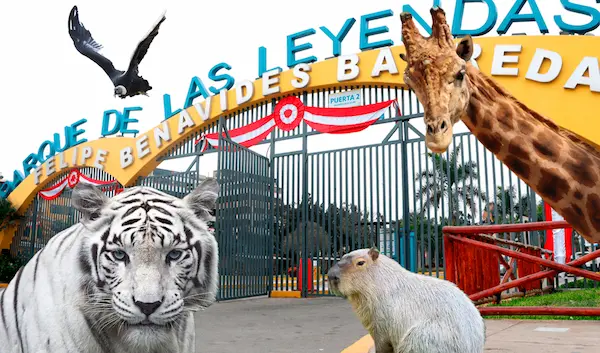
1. Parque de las Leyendas (San Miguel and Huachipa – Lima)
Parque de las Leyendas is arguably the most important and well-known among the zoos in Peru, located in Lima and divided into two main sectors: San Miguel and Huachipa. It is unique because it combines zoological exhibits with archaeological zones and botanical gardens, offering a complete cultural and natural experience in one place.
This zoo is home to a wide variety of species from all three Peruvian regions, including jaguars, spectacled bears, Andean condors, flamingos, monkeys and reptiles. The Huachipa section is especially focused on conservation and provides larger, more naturalistic habitats designed to improve animal welfare and reduce stress.
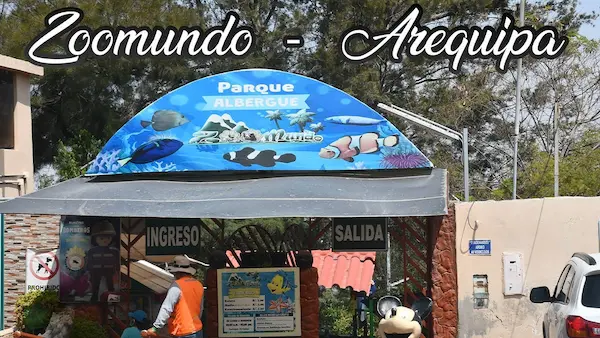
2. Zoo Mundo (Arequipa)
Zoo Mundo in Arequipa is a smaller but culturally important facility among the zoos in Peru, focused mainly on regional wildlife from the southern highlands and desert areas. It plays an important educational role for schools and local communities, helping people understand the importance of biodiversity in arid and high-altitude environments.
Here, visitors can observe llamas, alpacas, foxes, birds of prey and various reptiles adapted to extreme conditions. The zoo also works on awareness programmes related to habitat preservation and the protection of native Andean species.
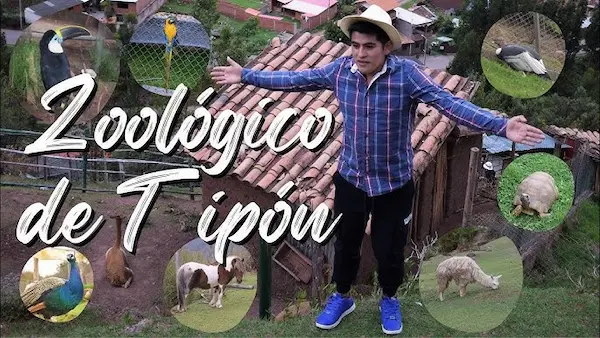
3. Zoo Mundo Andino Tipón (Cusco)
Zoo Mundo Andino Tipón, located in Cusco, is one of the zoos in Peru that focuses entirely on high-altitude ecosystems. It highlights the unique biodiversity of the Andes, where animals have evolved to survive in cold temperatures, low oxygen levels and rugged terrain.
Species such as condors, vicuñas, llamas, alpacas and pumas are commonly found here. The zoo also plays a key educational role in teaching visitors about fragile mountain ecosystems and the importance of protecting water sources that originate in the Andes.
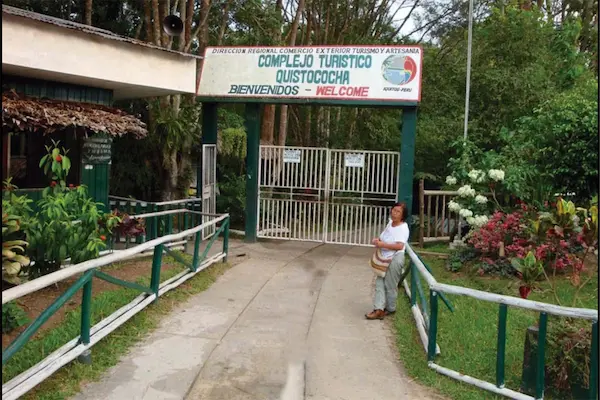
4. Zoo Quistococha (Iquitos)
Zoo Quistococha is one of the most distinctive, located deep in the Amazon region near Iquitos. Unlike urban zoos, it is surrounded by natural rainforest and a lagoon, allowing animals to live in semi-wild conditions that closely resemble their natural habitat.
This zoo features Amazonian species such as sloths, monkeys, caimans, exotic birds and freshwater fish. Its location makes it a key educational and ecological site, offering visitors a direct connection to one of the most important ecosystems on the planet.
You might also be interested in: A Complete guide to exploring adventures in Peru

5. Nautilius Aquarium (coastal marine biodiversity)
The Nautilius Aquarium represents the marine side, focusing on coastal and ocean ecosystems influenced by the Pacific Ocean and the Humboldt Current. This current is one of the richest marine environments in the world, supporting a wide variety of species.
Visitors can observe fish, marine invertebrates, crustaceans and other coastal species adapted to cold, nutrient-rich waters. The aquarium plays an important role in educating the public about marine conservation and ocean sustainability.
Zoos in Peru: what animals can you see across the country?
The zoos in Peru offer an exceptional range of wildlife due to the country’s unique geographical diversity. Depending on the region, visitors can encounter Amazon rainforest species, Andean mountain animals or coastal marine life, all within different zoological environments.
Among the most commonly seen animals are jaguars, spectacled bears, llamas, alpacas, monkeys, macaws, condors, turtles, caimans and various exotic bird species. This diversity makes Peruvian zoos highly educational and attractive for both local and international tourists.
Differences between ecosystems and locations
One of the most interesting aspects is how they reflect the country’s three main ecosystems: the coast, the Andes and the Amazon jungle. Each zoo adapts its exhibits depending on the natural environment it represents, creating a more realistic and educational experience.
Coastal zoos tend to focus on marine life and desert-adapted species, while Andean zoos highlight high-altitude mammals and birds. Amazonian zoos, on the other hand, are rich in biodiversity and tropical species, offering a completely different environment filled with dense vegetation and humid climate conditions.
How they operate and their mission?
Them operate not only as tourist attractions but also as institutions dedicated to conservation, education and research. Many of them collaborate with environmental organisations, universities and wildlife rescue centres to protect endangered species.
Their mission includes rehabilitating injured animals, educating the public about biodiversity and supporting scientific studies related to wildlife behaviour and ecosystem preservation. This makes them important actors in national conservation efforts.
Animal care and ethical standards
Animal welfare is a key priority in modern, especially in larger facilities such as Parque de las Leyendas. Veterinary teams are responsible for monitoring health, providing specialised diets and ensuring that animals live in conditions that closely resemble their natural habitats.
Enrichment activities are also implemented to stimulate natural behaviours such as hunting, climbing or social interaction. These practices are essential to reduce stress and improve the overall well-being of captive animals.
Unusual and exotic species you may encounter
One of the most fascinating aspects of the zoos in Peru is the presence of unusual and exotic animals that are rarely seen in other parts of the world. These include unique Amazonian creatures, rare bird species and highly specialised mammals adapted to extreme environments.
Visitors may encounter animals such as anteaters, ocelots, capybaras, toucans and various tropical reptiles, making each visit a unique educational experience.
You may also be interested in: Peru jungle tours everything you need to know
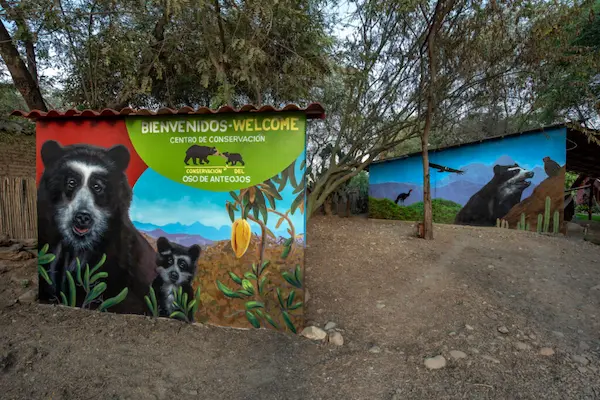
Zoos in Peru: endangered species protection programmes
Many zoos in Peru actively participate in programmes aimed at protecting endangered species. Animals such as the Andean condor, spectacled bear and Amazon river dolphin face serious threats due to habitat loss, poaching and climate change.
Through breeding programmes, rescue initiatives and public education campaigns, zoos play a critical role in preventing extinction and raising awareness about environmental protection.
Role in tourism and environmental education
The zoos in Peru also play an important role in tourism development and environmental education. They attract both domestic and international visitors who are interested in learning about Peru’s extraordinary biodiversity.
Through guided tours, educational programmes and interactive exhibits, these zoos promote awareness about conservation and responsible interaction with nature, making them valuable cultural and ecological institutions.
Conservation challenges and future outlook
Despite their importance, the zoos in Peru face challenges such as limited funding, habitat replication difficulties and the ongoing need for improved conservation infrastructure. However, efforts are being made to modernise facilities and strengthen collaboration with global conservation networks.
The future of these zoos depends on continued investment in education, sustainability and animal welfare, ensuring that they remain relevant in a rapidly changing environmental context.
Educational programmes and school learning experiences
The zoos in Peru play an important role in formal and informal education, especially through programmes designed for school groups, families and tourists. These educational experiences are structured to teach visitors about biodiversity, ecosystems and the importance of conservation in an engaging and interactive way.
These programmes are particularly valuable for children, as they allow them to connect classroom knowledge with real-life examples of wildlife and natural habitats. By observing animals from the coast, Andes and Amazon, students can better understand ecological relationships and the importance of protecting endangered species.
Economic impact and support for local communities
The zoos in Peru also contribute significantly to local economies by generating employment and supporting surrounding communities. These institutions create jobs in areas such as animal care, veterinary services, tourism, education and maintenance, helping to sustain economic activity in both urban and rural regions.
In addition, many zoos collaborate with local artisans, tour operators and small businesses, which helps distribute tourism income more widely. This economic impact encourages community participation in conservation efforts and strengthens the connection between people and wildlife protection initiatives, making zoos an important part of sustainable development in Peru.
Responsible tourism and visitor awareness
The zoos in Peru also play an important role in promoting responsible tourism, encouraging visitors to interact with wildlife in a respectful and informed way. Many of these institutions include educational signage, guided experiences and conservation messages designed to help people understand the impact of human actions on animal habitats.
By promoting awareness about issues such as habitat loss, illegal wildlife trade and climate change, these zoos help shape more conscious visitors. Tourists not only observe animals but also learn about the challenges they face in the wild and the importance of protecting natural ecosystems.
Zoos in Peru: future development and modern conservation trends
The future of the zoos in Peru is closely linked to global trends in animal welfare and conservation science. Many facilities are gradually moving away from traditional enclosure models and adopting more naturalistic habitats that better replicate the environments where animals would live in the wild. This shift aims to improve both physical and psychological well-being of captive species.
At the same time, there is a growing focus on technology, research and international cooperation to strengthen conservation efforts. Modern zoos are increasingly involved in breeding programmes, genetic preservation and wildlife rehabilitation projects. These developments position Peruvian zoos as important contributors to global biodiversity protection and long-term ecological sustainability.
Importance of environmental balance in natural ecosystems
Maintaining environmental balance in natural ecosystems is essential for the survival of all living organisms on the planet. Every species, from the smallest insect to the largest mammal, plays a specific role within its ecosystem, contributing to processes such as pollination, decomposition and population control. When this balance is disrupted, the effects can cascade through the entire food chain, leading to long-term ecological damage.
Human activities such as deforestation, pollution and urban expansion have significantly altered many natural environments, making it increasingly important to implement conservation strategies. Protecting natural spaces, restoring damaged habitats and promoting sustainable practices are key actions to ensure that ecosystems remain functional and resilient for future generations.
You might also be interested in: Find out the best time to travel to Peru
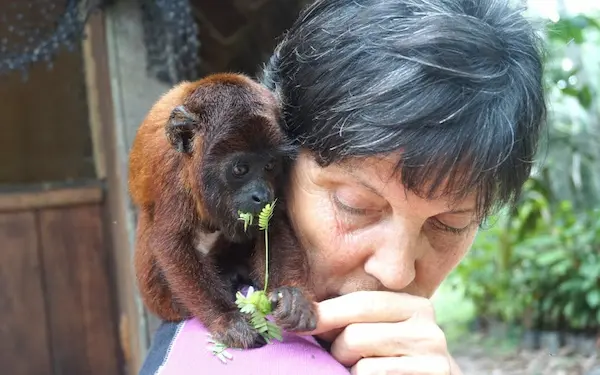
Zoos in Peru: role in protecting wildlife from illegal trafficking
The zoos in Peru also play a crucial role in the rescue and protection of animals affected by illegal wildlife trafficking, which remains a serious environmental issue in the country. Many of these institutions function as safe havens where confiscated or injured animals are rehabilitated under professional care. This process often involves veterinary treatment, behavioural recovery and, when possible, reintegration into protected natural areas.
Beyond rescue work, these zoos actively support public awareness campaigns aimed at reducing the demand for illegally traded wildlife. Educational initiatives help visitors understand the impact of removing animals from their natural habitats and the consequences this has on ecosystems. In this way, zoos become not only places of exhibition, but also key defenders of Peru’s biodiversity and wildlife protection efforts.
Their role in conservation and tourism
The zoos in Peru represent much more than simple recreational spaces, as they function as key centres for conservation, education and scientific awareness. Through their exhibits and rescue programmes, they help protect endangered species while also educating the public about the importance of biodiversity. This combination of tourism and environmental responsibility makes them essential institutions within the country’s ecological framework.
In addition, these zoos provide a unique opportunity for visitors to experience Peru’s extraordinary natural diversity in a controlled and educational environment. By showcasing animals from the coast, Andes and Amazon, they allow people to understand how different ecosystems coexist and depend on each other. This helps strengthen environmental awareness among both local residents and international tourists.
