
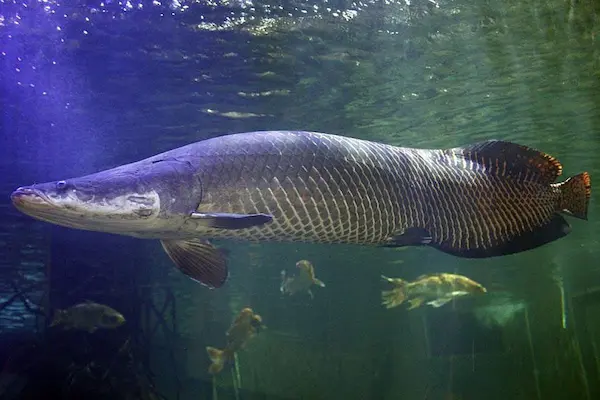
The biggest fish in Amazon is widely recognised as the Arapaima gigas, known locally in Peru as the paiche. This extraordinary freshwater species is considered one of the largest and most impressive fish on Earth, not only because of its massive size but also due to its unique biological adaptations that allow it to survive in extreme aquatic conditions within the Amazon basin.
For travellers exploring Peru’s rainforest, the paiche represents far more than just a biological specimen. It is a living symbol of the Amazon’s richness, biodiversity and ecological complexity. Its presence in rivers and lakes reflects a healthy ecosystem, making it a key indicator species for environmental balance in one of the most important natural regions on the planet.
The fascination surrounding this fish has grown in global tourism, conservation studies and scientific research, especially as interest in Amazon biodiversity continues to increase worldwide.
You might also be interested in: Find out the best time to travel to Peru
Origin and evolutionary history of the biggest fish in Amazon
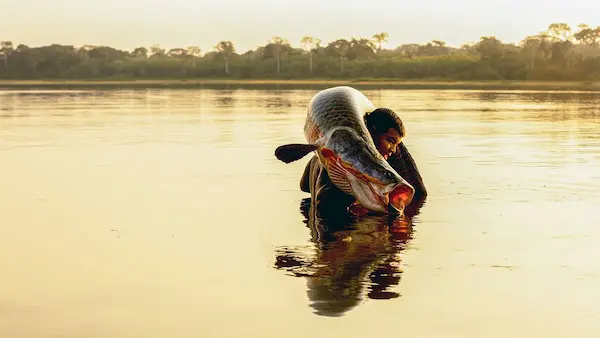
The biggest fish in Amazon has a fascinating evolutionary background that dates back millions of years. The paiche belongs to an ancient lineage of freshwater fish that developed highly specialised adaptations to survive in oxygen-poor environments. One of its most remarkable traits is its ability to breathe air directly from the surface, a survival mechanism that distinguishes it from most aquatic species.
This evolutionary advantage allowed it to thrive in the floodplain ecosystems of the Amazon basin, where water conditions often change dramatically between wet and dry seasons. Over time, the species became one of the dominant predators in its environment, shaping local aquatic food chains and contributing to ecological stability.
Its survival through geological and environmental changes highlights its resilience, making it one of the most successful freshwater species in the world in terms of adaptation and longevity.
Habitat of the biggest fish in Amazon
The natural habitat of the biggest fish in Amazon is primarily concentrated in the slow-moving rivers, oxbow lakes and flooded forest regions of the Amazon Basin. These environments are characterised by warm waters, seasonal flooding and dense vegetation, all of which provide ideal conditions for feeding, breeding and growth.
During the rainy season, the paiche expands its range into flooded forests where food sources become more abundant and diverse. In these areas, it can hunt smaller fish and exploit new feeding grounds. When the dry season arrives, it retreats to deeper river channels and permanent lakes where water levels remain stable.
This seasonal migration pattern is essential for its survival strategy and also plays a significant role in maintaining ecological balance within Amazonian aquatic systems.
Size, weight and physical characteristics
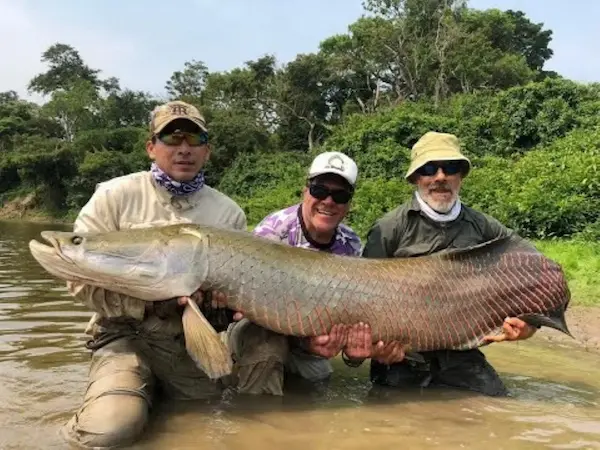
The biggest fish in Amazon is known for its extraordinary size, making it one of the largest freshwater fish species in the world. It can grow up to 3 metres in length and weigh more than 200 kilograms under optimal conditions. This massive size allows it to dominate its environment and reduces the number of natural predators it faces in adulthood.
Its body is long and streamlined, covered with thick, large scales that provide protection against injuries and environmental hazards. The fish also has a unique respiratory system, using a modified swim bladder that functions similarly to a lung, enabling it to breathe atmospheric oxygen when necessary.
This adaptation is crucial in oxygen-depleted waters, especially during dry seasons when many aquatic species struggle to survive. Its physical structure reflects millions of years of evolutionary refinement in one of the most complex ecosystems on Earth.
Feeding habits and ecological role
The diet of the biggest fish in Amazon is primarily carnivorous, consisting of smaller fish, crustaceans and occasionally small animals that come too close to the water surface. Its hunting technique relies on sudden bursts of speed and precise strikes, making it an efficient predator within its ecosystem.
Beyond its role as a predator, the paiche plays a vital ecological function by helping regulate fish populations. This prevents overpopulation of certain species and maintains balance within the aquatic food web. Without predators like the paiche, the structure of Amazonian ecosystems would become unstable.
Its ecological importance extends beyond feeding behaviour, as it also contributes to nutrient cycling within river systems, indirectly supporting plant and animal biodiversity across the region.
You may also be interested in: 8 myths and legends in the folklore of Peru you should know
Where to see the biggest fish in Amazon as a tourist?
For travellers interested in wildlife, the biggest fish in Amazon can be observed in several regions of the Peruvian Amazon, particularly near Iquitos and protected natural reserves. These areas offer guided boat tours that allow visitors to explore river systems where paiche populations are commonly found.
Eco-tourism lodges and conservation centres also provide controlled environments where tourists can learn about the species, its behaviour and its ecological importance. These experiences are often part of broader Amazon expeditions that include jungle exploration, wildlife observation and cultural immersion with local communities.
Many visitors combine Amazon tours with mountain experiences such as Salkantay treks, creating a diverse travel itinerary that highlights both high-altitude landscapes and tropical rainforest ecosystems within Peru.
Other giant fish species in the Amazon
Although the biggest fish in Amazon is the paiche, the Amazon River system is home to several other remarkable large fish species. Among them are giant catfish species such as Brachyplatystoma filamentosum, as well as red-tailed catfish and various predatory freshwater species.
These fish contribute to the complexity and richness of the Amazon aquatic ecosystem. Each species occupies a different ecological niche, ensuring balance within predator-prey relationships and maintaining biodiversity across river systems. The coexistence of multiple large fish species highlights the Amazon as one of the most biologically diverse freshwater environments in the world.
Other iconic animals of the Peruvian Amazon
The Amazon rainforest is home to an extraordinary range of wildlife beyond the biggest fish in Amazon. Iconic species include jaguars, pink river dolphins, anacondas, sloths, harpy eagles and countless amphibians and insects that contribute to the region’s biodiversity. Each species plays a specific ecological role, forming a highly interconnected ecosystem where balance is essential for survival. The Amazon is considered one of the most important biodiversity hotspots on the planet due to this complexity.
Cultural celebrations such as carnivals in Peru often highlight this natural richness, reflecting the strong connection between local traditions, biodiversity and environmental identity.
Importance of the paiche for local communities
The biggest fish in Amazon also plays an important socio-economic role for many communities in Peru. Sustainable farming and controlled harvesting of paiche have become valuable sources of income in certain Amazon regions.
Aquaculture projects help reduce pressure on wild populations while supporting local economies. The fish is also highly valued for its nutritional content and culinary versatility, making it an important part of regional diets. This balance between conservation and economic use demonstrates how biodiversity can support sustainable development when managed responsibly.
Tourism, sustainability and Amazon conservation
Tourism in the Amazon has a significant impact on conservation efforts related to the biggest fish in Amazon. Eco-tourism initiatives promote environmental awareness and encourage responsible interaction with wildlife.
Visitors participating in guided tours contribute economically to local communities while also supporting conservation programmes. These activities help fund research, habitat protection and educational projects focused on preserving Amazon biodiversity. Sustainable tourism ensures that natural resources are protected while allowing future generations to experience the richness of the Amazon rainforest in a responsible way.
Conservation and care in Peruvian zoos
In Peru, the biggest fish in Amazon is sometimes housed in aquariums and conservation centres dedicated to preserving Amazonian biodiversity. These facilities play a crucial role in education, research and species protection.
Caring for a paiche in captivity requires large tanks, strict water quality control and carefully managed feeding systems. Because of its size and biological needs, maintaining this species outside its natural habitat is highly complex.
Conservation programmes also focus on sustainable fishing practices and aquaculture development to reduce pressure on wild populations, ensuring long-term survival of the species in its natural environment.
Threats to the biggest fish in Amazon and conservation challenges
Despite being one of the most resilient species in the Amazon ecosystem, the biggest fish in Amazon faces several growing threats that put its long-term survival at risk. One of the main challenges is overfishing, driven by high demand for its meat in local and regional markets. In some areas, lack of strict regulation has led to population declines, especially in zones close to human settlements.
Another significant threat is habitat degradation caused by deforestation, mining activities and water pollution. As the Amazon basin becomes increasingly affected by human activity, water quality and ecosystem balance are altered, directly impacting the breeding and feeding cycles of the paiche. These environmental pressures reduce available habitats and disrupt natural migration patterns.
Climate change is also emerging as a long-term risk, affecting rainfall cycles and river levels across the Amazon. Since the biggest fish in Amazon depends heavily on seasonal flooding for reproduction and feeding, any disruption in these cycles can have serious consequences for its population stability.
Conservation efforts are now focused on sustainable fishing programmes, protected areas and community-based management systems. These initiatives aim to balance human economic needs with environmental protection, ensuring that the paiche continues to thrive as a key species in one of the most important ecosystems on the planet.
You may also be interested in: Peru jungle tours everything you need to know
The biggest fish in Amazon as a symbol of biodiversity
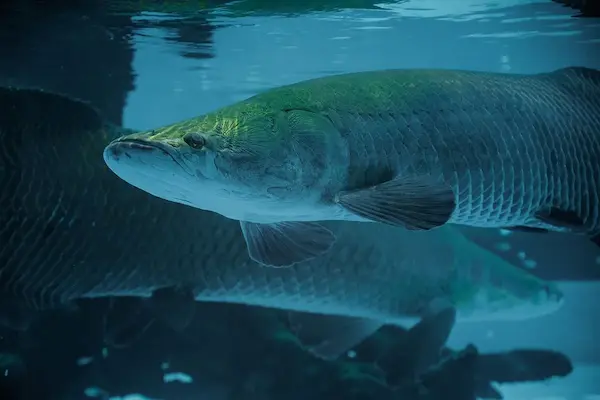
The biggest fish in Amazon, the paiche, represents one of the most extraordinary freshwater species in the world. Its immense size, ancient evolutionary lineage and ecological importance make it a key component of the Amazon ecosystem.
From its natural habitat and feeding behaviour to its role in tourism and conservation, the paiche embodies the richness and complexity of the Peruvian rainforest. It is not only a biological marvel but also a cultural and environmental symbol of the Amazon region.
Protecting this species means protecting one of the most valuable ecosystems on Earth, ensuring that the balance of nature in the Amazon continues for generations to come.
