
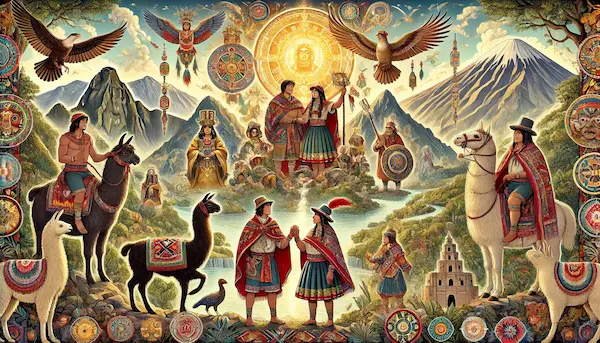
Peru is globally known for iconic destinations such as Machu Picchu, the Sacred Valley and the ancient capital of Cusco. Yet beyond its famous archaeological sites lies another dimension of the country that fascinates travellers and historians alike: the folklore of Peru.
Peruvian folklore is a vast collection of myths, legends and spiritual beliefs that have developed over thousands of years. These stories are deeply connected to the landscapes of the Andes, the Amazon rainforest and the coastal deserts. Mountains are believed to be living spirits, lakes hide mysterious beings beneath their waters, and ancient creatures are said to wander remote valleys.
Unlike many myths that exist only in books, Peruvian folklore remains alive in the daily lives of local communities. Farmers, fishermen and miners often share stories passed down through generations, blending indigenous traditions with colonial influences and modern interpretations.
Understanding the folklore of Peru allows visitors to appreciate the country in a more meaningful way. These stories reveal how ancient civilisations interpreted nature, spirituality and the unknown, creating a mythology that continues to shape Peruvian culture today.
You may also be interested in: Peru jungle tours everything you need to know
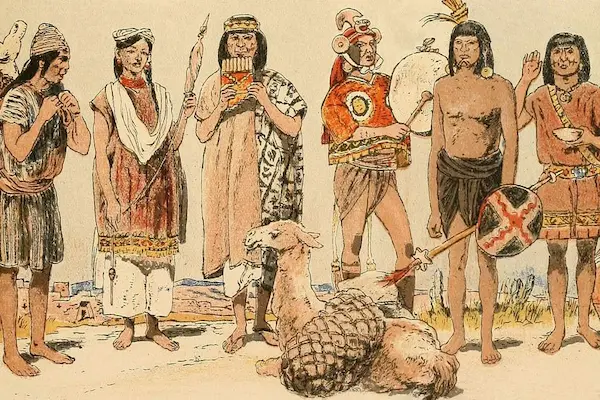
The origins of Peruvian folklore
The roots of the folklore of Peru stretch back thousands of years to pre-Columbian civilisations that flourished throughout the Andes. Long before the rise of the Inca Empire, cultures such as the Chavín, Nazca and Moche developed complex belief systems centred around nature and spiritual forces.
In Andean cosmology, the natural world is alive with energy. Mountains, rivers and lakes possess spirits that influence human life. This worldview is closely tied to the concept of Pachamama, or Mother Earth, who represents fertility, balance and the interconnectedness of all living things.
When the Inca Empire emerged in the fifteenth century, it incorporated many earlier traditions into its own religious system. The Incas worshipped the sun god Inti but also recognised the importance of local spirits and sacred places known as huacas.
After the Spanish conquest in the sixteenth century, indigenous beliefs blended with elements of Catholicism. This cultural fusion created the rich and diverse folklore that exists in Peru today. Many legends contain both pre-Hispanic symbolism and colonial influences, reflecting the country’s layered history.
Sacred mountains and spirits in the folklore of Peru
One of the most important elements in the folklore of Peru is the belief in Apus, the sacred mountain spirits that protect local communities.
In Andean tradition, each mountain possesses a spiritual guardian responsible for the wellbeing of the surrounding land and people. Villagers often make offerings to these spirits to ensure good harvests, protection from natural disasters and overall harmony with nature.
These offerings, known as “pagos a la Pachamama,” may include coca leaves, food, chicha (a traditional corn beverage) and symbolic objects placed on small ceremonial altars.
Travellers trekking through the Andes frequently pass beneath towering peaks that are considered powerful Apus. Guides often explain the cultural significance of these mountains, emphasising that they are more than geographical features—they are living spiritual entities.
Many visitors exploring Peru’s mountain regions choose to experience these landscapes through routes such as Salkantay Treks, which pass through dramatic valleys, glaciers and sacred peaks deeply connected to Andean mythology.
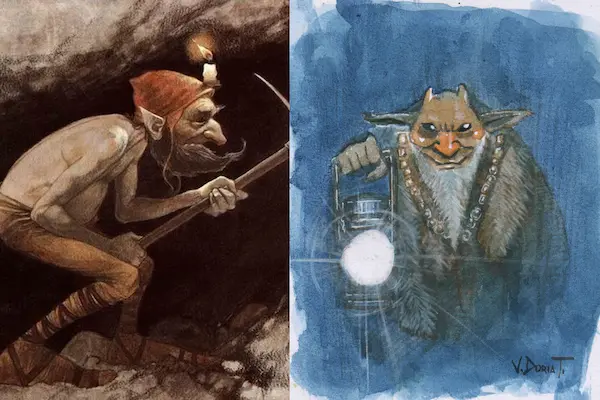
1) The mysterious Muki: the guardian of the mines
One of the most fascinating figures in the folklore of Peru is the Muki, a legendary spirit believed to inhabit underground mines throughout the Andes. Miners in Peru and Bolivia have shared stories about this mysterious being for generations, describing him as a small humanoid creature with extraordinary strength and supernatural abilities.
According to local legends, the Muki controls the rich mineral deposits hidden beneath the earth. When miners show respect to the spirit, he may guide them to valuable veins of silver, gold, or copper. However, if angered, the Muki is said to cause accidents, hide minerals, or create confusion within the tunnels.
Many miners historically left offerings such as coca leaves, alcohol, or cigarettes deep inside the mines as a way to maintain harmony with the spirit. These rituals reflect the deep spiritual relationship that Andean communities have with nature and the resources it provides.
You may also be interested in: Incas Expeditions: Best travel agency in Cusco
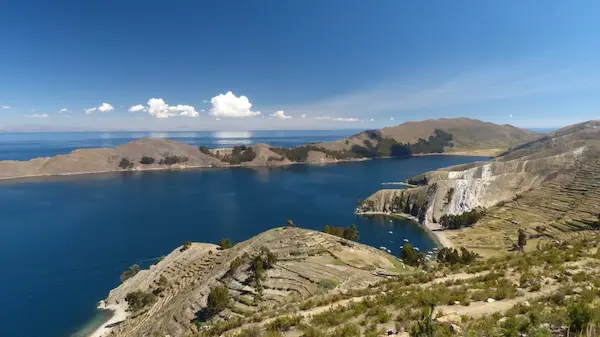
2) Lake Titicaca myths within the folklore of Peru
Lake Titicaca, the highest navigable lake in the world, is surrounded by myths and legends that form an important part of the folklore of Peru. Among the most captivating stories are those about mysterious aquatic beings often described as mermaids.
Local fishermen have long claimed to hear beautiful singing echoing across the lake during quiet nights. According to legend, these enchanting voices belong to female spirits who live beneath the lake’s surface and occasionally appear to travellers crossing its waters.
In Andean belief systems, lakes are sacred places inhabited by powerful guardians. The mermaids of Lake Titicaca are often interpreted as protectors of the water and symbols of the lake’s spiritual importance.
The lake itself holds a central place in Inca mythology. Ancient traditions say that Manco Cápac and Mama Ocllo, the legendary founders of the Inca civilisation, emerged from its waters to establish the city of Cusco.
3) Dark legends and cautionary tales in the folklore of Peru
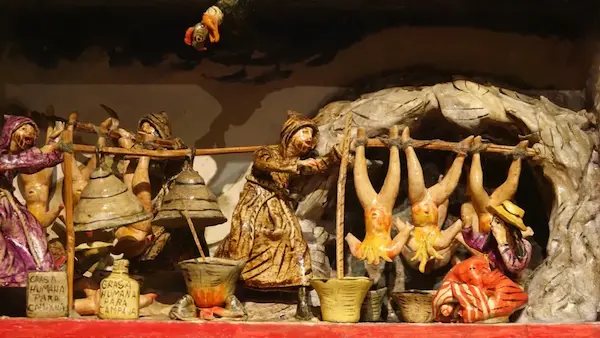
Not all stories within the folklore of Peru are mystical or benevolent. Some legends reflect darker themes and serve as cautionary tales meant to warn people about potential dangers.
The Pishtaco is traditionally described as a tall stranger who attacks travellers in isolated areas in order to steal their body fat. Although this legend may sound unusual, historians believe it has deep roots in the colonial period.
During the Spanish conquest, indigenous communities experienced exploitation and violence from outsiders. Over time, these fears evolved into the myth of the Pishtaco, transforming historical anxieties into a symbolic figure representing danger and mistrust.
4) The Jarjacha: the cursed creature of the mountains
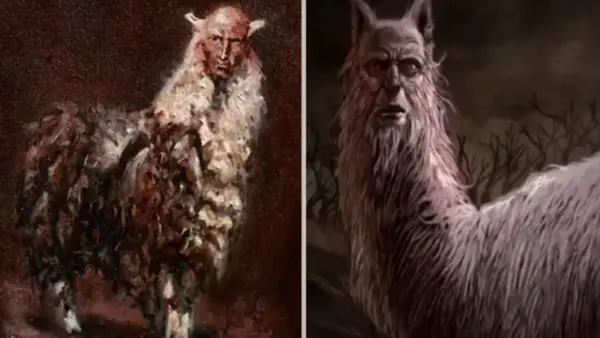
The Jarjacha is one of the most unusual creatures in the folklore of Peru, particularly in rural communities of the Andes. According to legend, the Jarjacha is a cursed being that appears as a strange animal-like creature with distorted features and terrifying screams.
The myth is often associated with moral lessons. In many versions of the story, the Jarjacha is said to be a person who committed a serious taboo, such as incest, and was transformed into this creature as punishment.
Witnesses claim that the Jarjacha roams remote fields and mountain paths at night, emitting eerie sounds that echo through valleys. Those who hear its cries are said to experience fear and confusion.
Local communities sometimes tell these stories to reinforce social values and warn against behaviour that violates cultural norms. As a result, the legend functions not only as a frightening tale but also as a way of preserving moral teachings.
You might also be interested in: A complete guide to the 7 lakes of ausangate
5) Supay: the lord of the underworld
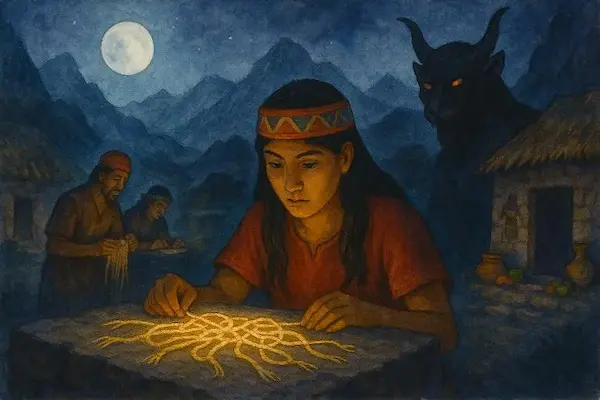
In Andean mythology, Supay is known as the powerful ruler of the underworld and an important figure in the folklore of Peru. His realm, often called Ukhu Pacha, represents the hidden world beneath the earth.
Supay is sometimes described as a dark and intimidating spirit, yet he is not always portrayed as purely evil. Instead, he represents the balance between life and death, destruction and renewal.
In traditional Andean beliefs, the underworld is not simply a place of punishment but a natural part of the cosmic cycle. Supay therefore plays an essential role in maintaining harmony between the different realms of existence.
During the colonial period, Spanish missionaries often associated Supay with the Christian concept of the devil. This interpretation influenced how the figure is perceived today, blending indigenous beliefs with European religious ideas.
6) The Tunche: the mysterious spirit of the Amazon forest
While many stories in the folklore of Peru originate in the Andes, the Amazon rainforest also contains its own collection of mysterious legends. One of the most famous is the story of the Tunche.
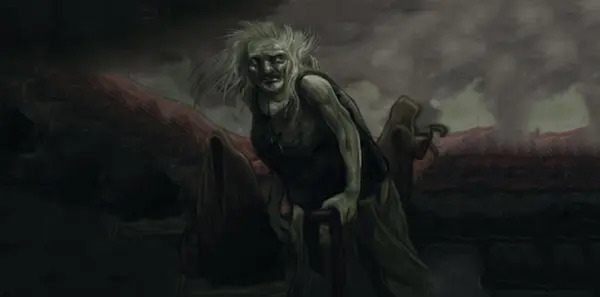
The Tunche is believed to be a wandering spirit that inhabits the deep forests of the Amazon. According to local tradition, it announces its presence through an eerie whistling sound that echoes through the jungle at night.
Those who hear the whistle are said to feel an overwhelming sense of unease. In some stories, the Tunche protects the forest from outsiders who show disrespect toward nature.
The legend serves as both a warning and a reminder of the powerful forces believed to exist within the Amazon ecosystem. For indigenous communities, the forest is not just a natural environment but a spiritual world inhabited by many unseen beings.
You might also be interested in: Find out the best time to travel to Peru
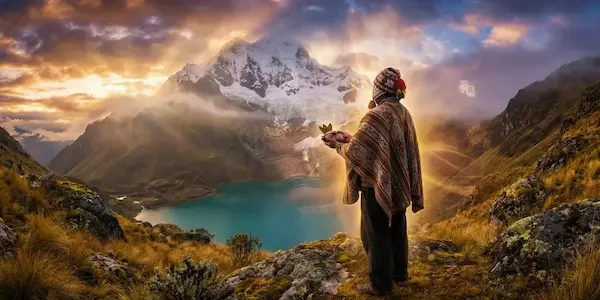
7) The Apus: sacred mountain spirits
Mountains hold a special place in the culture, where they are believed to be inhabited by powerful spirits known as Apus. These sacred guardians are thought to watch over villages, protect communities, and maintain harmony in the natural world.
Each mountain is believed to have its own Apu with a unique personality and spiritual power. Local communities often make offerings to these spirits in ceremonies known as pagos a la Pachamama.
These rituals typically include coca leaves, food, and chicha, a traditional corn beverage. By honouring the Apus, people express gratitude and ask for protection, good harvests, and prosperity.
Travellers exploring the Andes frequently hear stories about these mountain spirits from local guides and residents. The belief in Apus reflects the deep connection between Andean people and their natural surroundings.
Because mountains dominate the landscape of Peru, the Apus remain one of the most powerful symbols within the folklore of Peru.
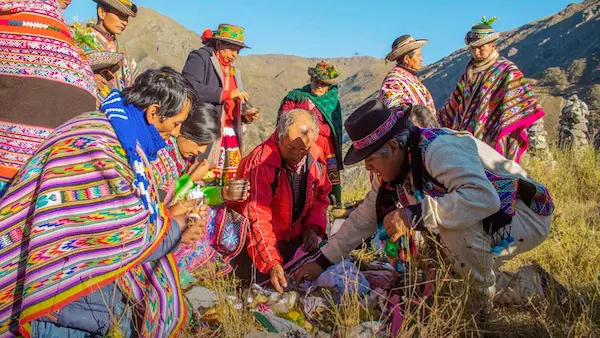
8) Pachamama: the sacred earth mother
No discussion of the folklore of Peru would be complete without mentioning Pachamama, the revered Earth Mother who represents fertility, life, and balance in the Andean worldview.
Pachamama is considered a nurturing force that sustains both humans and nature. Farmers traditionally honour her through offerings and ceremonies before planting or harvesting crops.
These rituals often involve burying small symbolic gifts in the ground as a gesture of gratitude and respect. The ceremonies reflect the belief that humans must live in harmony with the natural environment.
Even today, many Andean communities continue to practice rituals dedicated to Pachamama. Festivals and traditional celebrations often include music, dancing, and offerings to honour her presence.
As a symbol of the deep spiritual connection between people and the Earth, Pachamama remains one of the most important and widely respected figures in the folklore of Peru.
Why the folklore of Peru fascinates travellers
Many legends serve practical purposes. Stories about mountain spirits encourage respect for the environment, while cautionary tales warn against dangerous behaviour.
Folklore also strengthens community identity. By sharing myths and legends, families pass cultural knowledge from one generation to the next.
For travellers, learning about these traditions provides a richer understanding of the landscapes they explore. A journey through the Andes becomes not only a physical adventure but also a cultural and spiritual experience.
Visitors exploring Peru’s historical regions often begin their journey in Cusco, where colonial architecture and Inca heritage coexist. A city tour cusco peru typically introduces travellers to temples, plazas and museums that reveal the deep historical roots behind many of these legends.
Experiencing the folklore of Peru while travelling in the Andes
One of the most fascinating aspects of the folklore of Peru is how closely the stories are tied to real places.
Sacred mountains, ancient trails and remote valleys often serve as the settings for legendary events. This connection between landscape and mythology gives travellers a unique perspective on the country.
Many visitors choose trekking routes that follow ancient Inca pathways through dramatic Andean scenery. These journeys not only reveal archaeological sites but also expose travellers to the myths and traditions still remembered by local communities.
Among the most famous routes are the Inca Trail Treks, which lead through cloud forests, mountain passes and ancient ruins before reaching the legendary citadel of Machu Picchu.
Walking these historic paths allows travellers to imagine how ancient civilisations experienced the landscapes that inspired so many myths.
You may also be interested in: Peru jungle tours everything you need to know
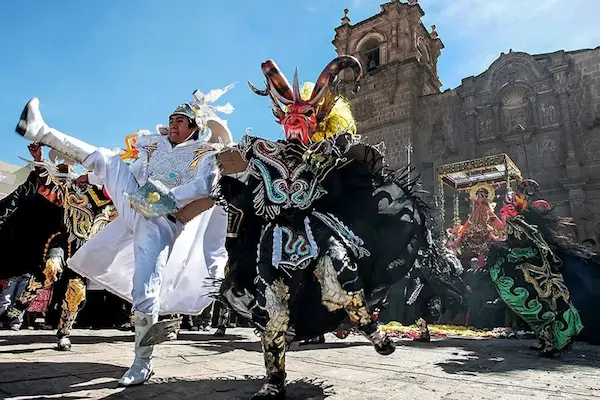
How the folklore of Peru shapes modern cultural tourism
In recent years, interest in cultural tourism has grown significantly. Travellers increasingly seek authentic experiences that connect them with local traditions and histories.
The folklore of Peru plays a key role in this form of tourism. Legends provide storytelling opportunities for guides, cultural programmes for communities and unique experiences for visitors.
Festivals, traditional music and oral storytelling events help preserve these traditions while sharing them with international audiences. Many communities recognise that folklore is not only a cultural treasure but also an important part of sustainable tourism.
Responsible travellers who show curiosity and respect for local traditions contribute to preserving this heritage for future generations.
Preserving the folklore of Peru for future generations
The folklore of Peru reveals a world where mountains have spirits, lakes conceal mystical beings and ancient legends continue to shape cultural identity.
These stories reflect the creativity, spirituality and resilience of the Andean peoples who have lived in harmony with their environment for centuries.
For travellers, exploring these myths adds depth and meaning to every journey through the country. The landscapes of Peru are not only visually stunning but also filled with narratives that connect past and present.
Whether listening to tales of the Muki in underground mines, imagining mermaids in the waters of Lake Titicaca or walking beneath the sacred peaks of the Andes, visitors quickly realise that Peru is a land where mythology and reality exist side by side.
In the end, the true magic of Peru lies not only in its famous ruins or dramatic scenery, but in the stories that continue to live within its mountains, rivers and people.
