
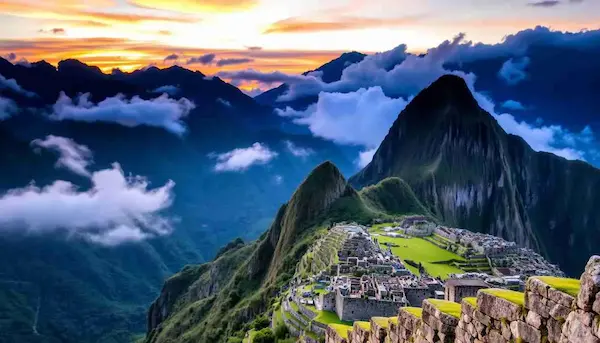
The classic inca trail to machu picchu remains one of the most iconic trekking experiences in South America. Every year, thousands of travellers choose this legendary route to reach the Lost City of the Incas through ancient stone paths, cloud forests and breathtaking Andean scenery.
In this complete classic inca trail to machu picchu travel guide, you will learn how the trek works, when to book, what to expect on the trail, and how to choose the right tour operator for your journey.
What is the Classic Inca Trail to Machu Picchu?
The classic inca trail to machu picchu is a 4-day, 3-night trek that follows original Inca pathways leading directly to Machu Picchu through the Sun Gate (Inti Punku).
Unlike day visits by train, this route allows travellers to:
- Walk through original Inca stone roads
- Visit archaeological sites along the trail
- Experience dramatic changes in altitude and ecosystems
- Enter Machu Picchu at sunrise through the historic entrance
Because the Inca Trail is a protected route, access is strictly regulated by the Peruvian government.
How difficult is the classic inca trail?
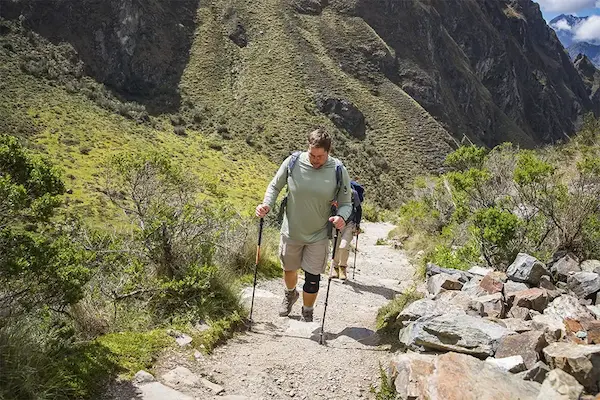
The classic inca trail to machu picchu is considered moderately challenging. It involves:
- Approximately 42 km (26 miles) of trekking
- High-altitude sections reaching 4,215 metres (Dead Woman’s Pass)
- Steep ascents and descents
- Variable mountain weather
Travellers should have reasonable fitness levels and prepare with light training before departure.
Why choose the classic route instead of the train?
Many visitors reach Machu Picchu by train from Cusco or the Sacred Valley. However, the classic inca trail to machu picchu offers something unique:
- A gradual build-up to Machu Picchu
- Cultural immersion along the way
- A sense of achievement upon arrival
- A deeper connection to Inca history
Arriving at Machu Picchu through the Sun Gate is an emotional and unforgettable moment that cannot be replicated by train access.
Permits and booking for 2026
Permits for the classic inca trail to machu picchu are limited and often sell out months in advance, especially during peak season (May to September).
Important facts:
- Only 500 permits per day (including staff and porters)
- Passport details are required at booking
- Permits are non-transferable
- The trail closes every February for maintenance
If you are considering one of the official inca trail treks early booking is essential to secure availability.
Best time to do the classic inca trail
Choosing the right season can significantly influence your experience on the classic inca trail to machu picchu. Weather conditions in the Andes vary throughout the year, affecting trail conditions, visibility and overall comfort.
The dry season (May to September) offers:
- Clearer skies
- Better mountain views
- Cooler temperatures
The shoulder months (April and October) provide fewer crowds while still offering good weather conditions.
The rainy season (November to March) can mean muddy trails and heavier rainfall, although the landscape appears lush and green.
Choosing a Cusco tour operator
Because the trail is regulated, travellers must book through an authorised operator. Selecting a reliable Peru Tour Operator | Quechuas Expeditions ensures:
- Official government permits
- Experienced mountain guides
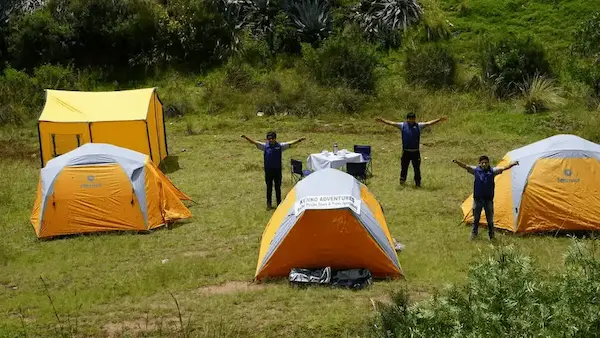
- Properly equipped campsites
- Ethical porter treatment
- Emergency safety protocols
Working with a professional cusco tour operator simplifies logistics and guarantees compliance with local regulations.
You may also be interested in: Peru jungle tours everything you need to know
Daily overview of the classic inca trail
The classic inca trail to machu picchu is traditionally completed over four days and three nights, covering approximately 42 kilometres through diverse Andean landscapes. Each day presents a different physical and cultural experience, from gentle valley walks to high mountain passes and ancient archaeological complexes hidden in cloud forest vegetation.
Day 1: Cusco to Wayllabamba
The trek begins at Km 82 and follows a relatively gentle path through agricultural valleys. You’ll visit the archaeological site of Llactapata before reaching the first campsite.
Day 2: Dead woman’s pass
The most challenging day of the classic inca trail to machu picchu. You will ascend to 4,215 metres before descending to Pacaymayo camp.
Day 3: Archaeological sites and cloud forest
This is often considered the most scenic day. You’ll visit Runkurakay, Sayacmarca and Phuyupatamarca before reaching Wiñay Wayna.
Day 4: Sun Gate and Machu Picchu
An early start leads you to Inti Punku for your first panoramic view of Machu Picchu. After descending, you enjoy a guided tour of the citadel.
What is included in most classic inca trail packages?
When booking the classic inca trail to machu picchu, most reputable tour operators provide a comprehensive package designed to ensure safety, comfort and proper logistical coordination. Since access to the trail is regulated and permits are mandatory, organised tours are the only way to complete the trek legally.
Typical inclusions:
- Transport from Cusco
- Camping equipment
- Professional guide
- Cook and porter team
- Entrance to Machu Picchu
- Bus ticket from Machu Picchu to Aguas Calientes
Always confirm details with your operator before booking.
Physical preparation tips
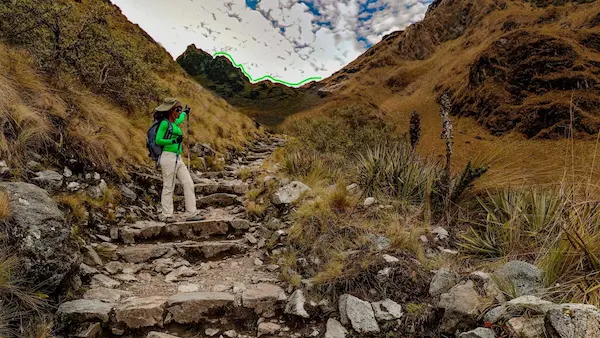
The classic inca trail to machu picchu is a moderate to challenging trek that combines altitude, uneven stone paths, steep ascents and long walking days. Preparing your body in advance not only makes the experience more enjoyable, but also reduces the risk of fatigue, altitude discomfort and minor injuries.
To prepare for the classic inca trail to machu picchu, consider:
- Regular cardio exercise
- Stair climbing training
- Light hiking practice
- Acclimatisation in Cusco before starting
Altitude can affect travellers differently, so spending 1–2 days in Cusco beforehand is highly recommended.
Essential packing list
Packing properly for the classic inca trail to machu picchu is essential for comfort and safety. The weather in the Andes can change quickly, with sunny mornings, sudden rain showers and cool evenings. Carrying the right gear ensures you stay dry, protected and well-equipped throughout the four-day journey.
Bring:
- Waterproof hiking boots
- Lightweight rain jacket
- Sun protection (hat, sunscreen)
- Reusable water bottle
- Headlamp
- Basic first-aid kit
- Personal medication
Travelling light improves comfort on the trail.
Responsible and sustainable travel
The classic inca trail to machu picchu is part of a UNESCO World Heritage Site. Respecting the environment is essential.
Follow these principles:
- Do not leave litter
- Respect archaeological structures
- Follow guide instructions
- Support ethical operators
Sustainable trekking ensures this historic path remains preserved for future generations.
Is the classic inca trail worth it?
For many travellers, the answer is yes.
The classic inca trail to machu picchu combines history, nature, culture and physical challenge into one transformative journey. It is not simply a hike; it is a walk through centuries of Andean civilisation.
If you want a structured and legally operated experience, explore the official classic inca trail to machu picchu tour options offered by authorised operators.
Altitude and acclimatisation: What you should know
One of the most important aspects of completing the classic inca trail to machu picchu is understanding how altitude affects the body. The trek begins at approximately 2,700 metres and reaches over 4,200 metres at its highest point.
Common altitude symptoms may include:
- Mild headaches
- Shortness of breath
- Fatigue
- Difficulty sleeping
To minimise discomfort:
- Spend at least 1–2 days acclimatising in Cusco
- Drink plenty of water
- Avoid alcohol before the trek
- Eat light meals
- Walk at a steady, comfortable pace
Most travellers adjust naturally with proper preparation, but listening to your body is essential.
You may also be interested in: Incas Expeditions: Best travel agency in Cusco
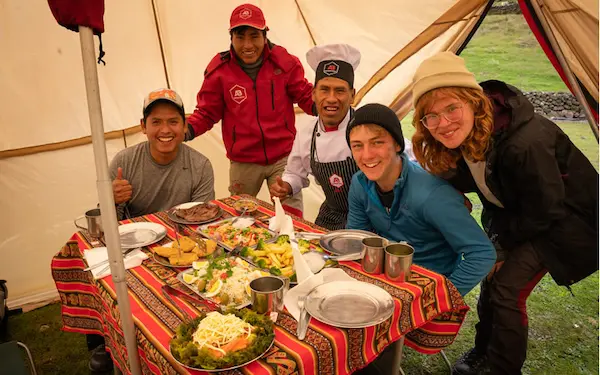
Food and meals on the trail
One of the surprising highlights of the classic inca trail to machu picchu is the quality of food prepared by trekking teams.
Professional operators provide:
- Freshly prepared breakfasts, lunches and dinners
- Hot meals even at high altitude
- Vegetarian and special dietary options
- Snacks and afternoon tea
Meals are often prepared by skilled mountain chefs who carry supplies along the route. Good nutrition plays a major role in maintaining energy throughout the trek.
Safety measures on the inca trail
When booking your trek, safety standards should be a top priority.
A responsible operator will provide:
- First aid kits
- Oxygen tanks
- Satellite communication equipment
- Certified professional guides
- Clearly structured emergency procedures
The classic inca trail to machu picchu is well regulated, and reputable operators strictly follow government guidelines to ensure both environmental protection and traveller safety.
Comparing the classic inca trail with alternative treks
Although the classic inca trail to machu picchu is the most famous route, Peru also offers alternative treks such as:
- Salkantay Trek
- Lares Trek
- Inca Jungle Trek
The key difference is that only the Classic Inca Trail enters Machu Picchu directly through the Sun Gate.
Alternative treks may offer:
- Fewer permit restrictions
- Different landscapes (glaciers, rural villages)
- Slightly lower costs
However, for those seeking the authentic historical route walked by the Incas, the classic trail remains unmatched.
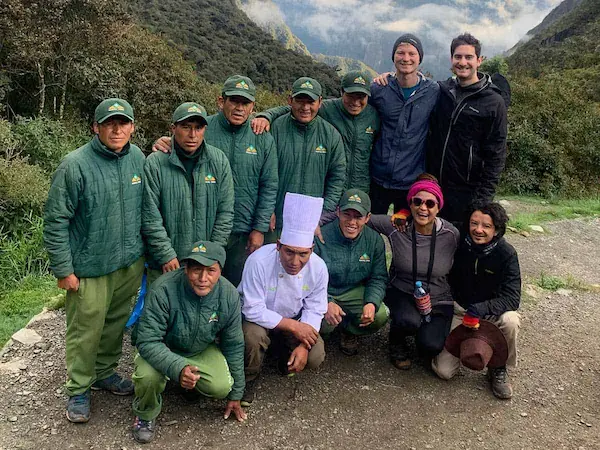
Porter welfare and ethical tourism
The Inca Trail relies on a dedicated team of porters who carry camping equipment and supplies.
Ethical operators ensure:
- Fair wages
- Proper equipment
- Weight limits respected
- Adequate food and shelter
When researching the classic inca trail to machu picchu, it is worth confirming that your operator supports responsible porter treatment. Sustainable tourism protects both heritage and local communities.
Photography tips for the inca trail
The Andes provide dramatic lighting and spectacular scenery.
To capture the best images during your classic inca trail to machu picchu, consider:
- Early morning photos for soft light
- Using wide-angle lenses for mountain landscapes
- Protecting equipment from rain and dust
- Bringing spare batteries (cold temperatures drain power quickly)
Sunrise at the Sun Gate offers one of the most iconic photo opportunities in South America.
Mental preparation: More than a physical challenge
While fitness is important, the classic inca trail to machu picchu is equally a mental journey.
Expect moments of:
- Physical fatigue
- Sudden weather changes
- Steep climbs
Maintaining a positive mindset, pacing yourself, and embracing the experience rather than rushing through it makes a significant difference.
Many travellers describe the trek as transformational — not only because of Machu Picchu, but because of the process of reaching it on foot.
You may also be interested in: A complete guide to the 7 lakes of ausangate
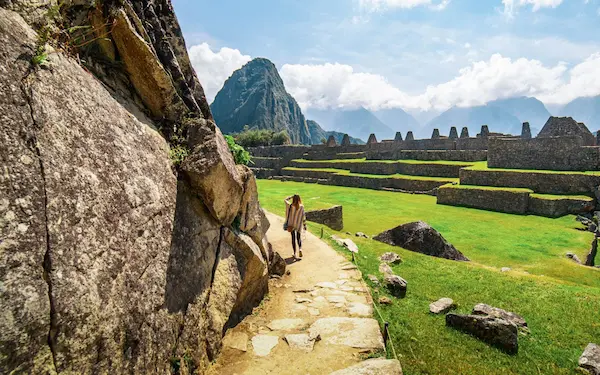
Frequently asked questions about the Classic Inca Trail to Machu Picchu
How far in advance should I book the Classic Inca Trail?
Ideally 4–6 months in advance for peak season. Permits sell out quickly.
Can beginners complete the Classic Inca Trail?
Yes, with proper preparation and moderate fitness levels.
Is the Classic Inca Trail suitable for older travellers?
Many travellers in their 50s and 60s complete the trail successfully, provided they are in good health.
Are permits refundable?
No. Permits are non-transferable and non-refundable once issued.
Final thoughts
The classic inca trail to machu picchu is more than a hike; it is an immersive journey through Andean landscapes, ancient history and personal achievement.
With proper planning, early booking and a trusted operator, this trek becomes one of the most rewarding travel experiences in the world.
If you’re considering your adventure for next year, exploring available Inca Trail Treks 2026 options early will give you the best chance of securing your preferred dates.
