
Peru is often associated with iconic destinations like Machu Picchu or the Sacred Valley. However, beyond the well-trodden paths lies a lesser-known region that resonates deeply with travelers seeking nature, sustainability, and authenticity. Oxapampa, located in central Peru, represents a different way of traveling one that aligns perfectly with the principles of eco tourism in Peru and mirrors many values cherished by European travelers.
Nestled between the Andes and the Amazon basin, Oxapampa offers lush cloud forests, pristine rivers, and a cultural heritage shaped by European settlers who arrived more than a century ago. This unique blend of nature and culture has turned the region into a quiet sanctuary for those looking to reconnect with the environment while traveling responsibly
You may also be interested in: Peru jungle tours everything you need to know

Oxapampa: Where Nature and Sustainability Meet
Oxapampa is part of the Oxapampa-Asháninka-Yanesha Biosphere Reserve, a protected area recognized by UNESCO for its extraordinary biodiversity and commitment to conservation. The region’s ecosystems range from high-altitude forests to tropical rainforests, making it a living example of how eco tourism in Peru can coexist with environmental protection.
Unlike mass tourism destinations, Oxapampa has developed slowly and consciously. Local authorities, communities, and small tourism operators prioritize preservation over volume, ensuring that natural landscapes remain untouched and wildlife continues to thrive. For European travelers accustomed to sustainable travel standards, this approach feels familiar and reassuring.
A European Legacy in the Peruvian Jungle
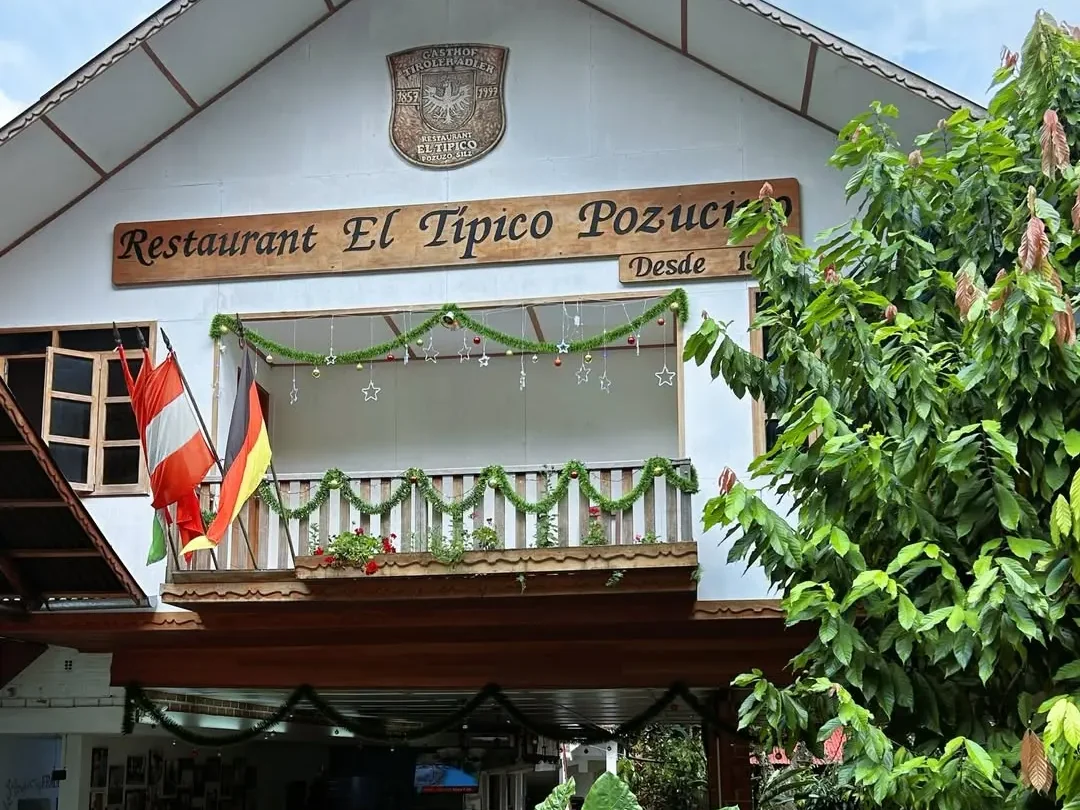
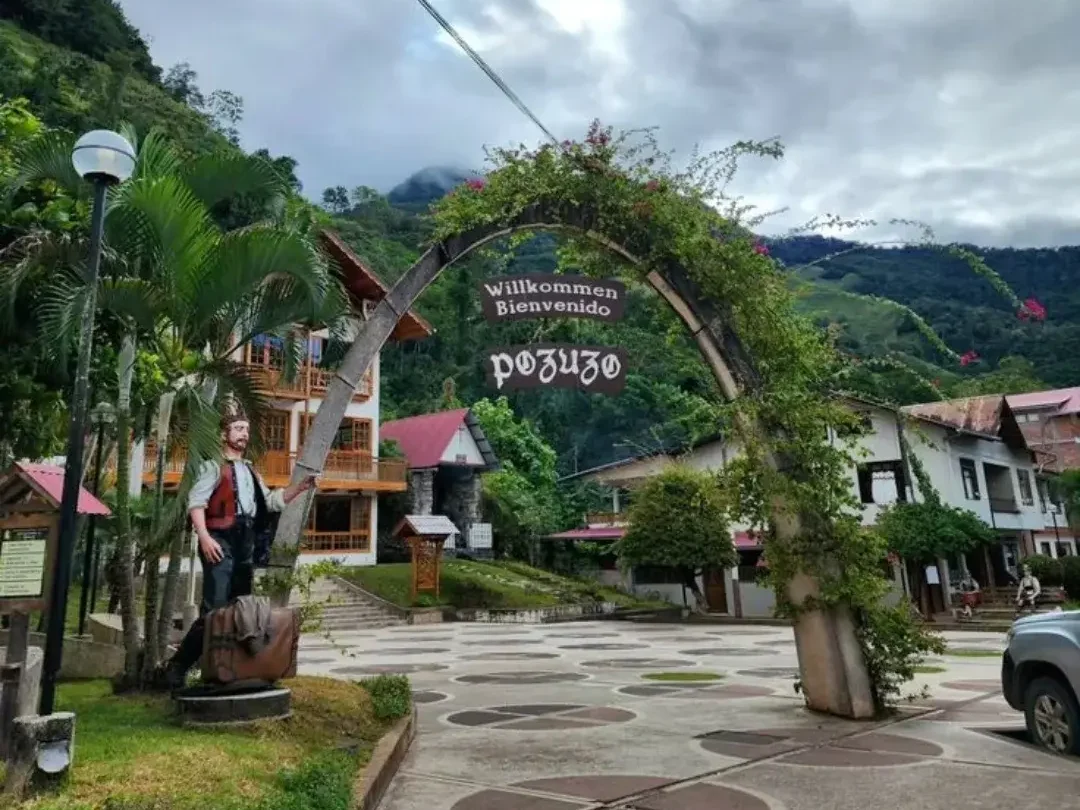
One of Oxapampa’s most distinctive features is its strong European influence. In the late 19th century, Austrian and German settlers arrived in the region, bringing architectural styles, agricultural practices, and cultural traditions that are still visible today. Timber houses with sloped roofs, dairy farms, and artisanal food production create a landscape that feels surprisingly European yet surrounded by tropical rainforest.
This cultural fusion enhances the experience of eco tourism in Peru, offering travelers not only natural beauty but also a sense of cultural continuity. Walking through Oxapampa’s town center, visitors can enjoy locally produced cheeses, breads, and coffee while learning how European traditions adapted to a South American environment.
You may also be interested in: A complete guide to the 7 lakes of ausangate
Protected Areas and Biodiversity
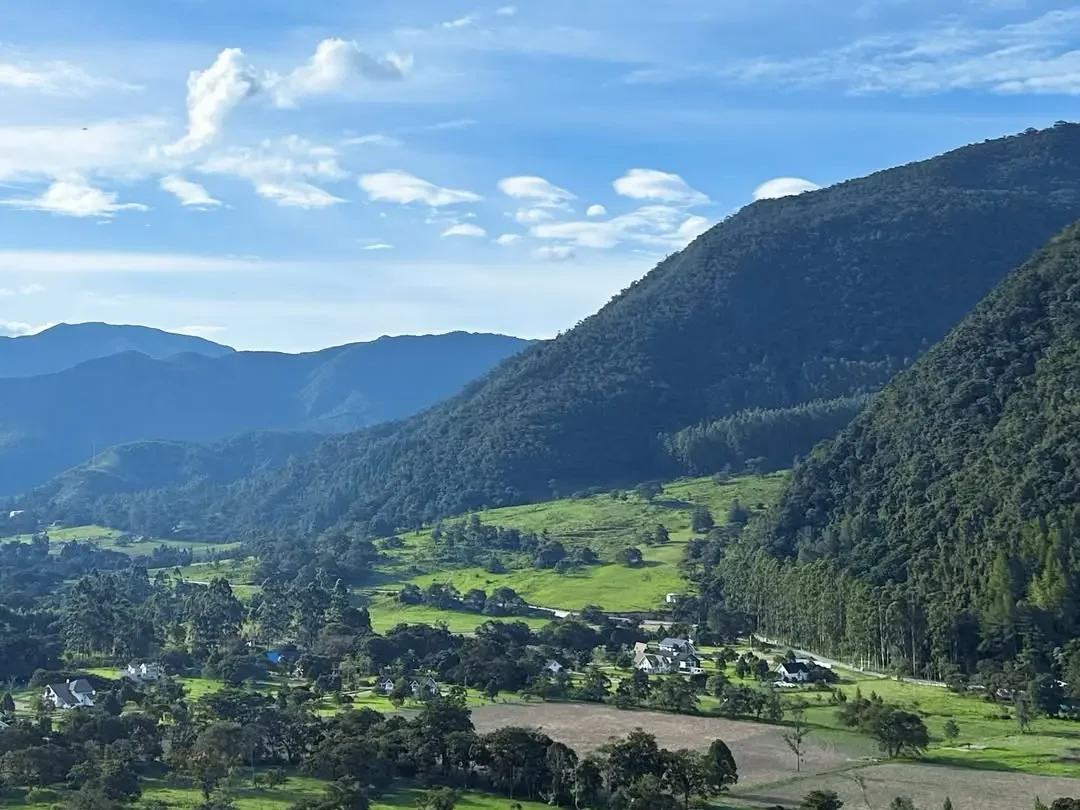
Oxapampa serves as a gateway to several national parks and conservation areas, including Yanachaga-Chemillén National Park. These protected zones safeguard countless plant and animal species, many of which are endemic to the region. Hiking trails lead through cloud forests where orchids bloom naturally and birdsong accompanies every step.
Nature-based activities form the backbone of eco tourism in Peru, and Oxapampa excels in offering low-impact experiences. Guided walks, birdwatching, and educational tours emphasize respect for nature rather than consumption of it. Visitors are encouraged to observe, learn, and appreciate rather than disturb.
Ecolodges and Responsible Accommodation
Accommodation in Oxapampa reflects the region’s commitment to sustainability. Ecolodges are built using local materials and designed to blend seamlessly into their surroundings. Many operate with renewable energy, manage water responsibly, and source food locally.
Staying in an ecolodge is central to understanding eco tourism in Peru. These accommodations often employ local residents, support conservation projects, and educate guests about the fragile ecosystems around them. For European travelers used to eco-certifications and sustainable hospitality, Oxapampa’s lodging options feel both ethical and comfortable.
You may also be interested in: Andean Road Peru: travel Peru with local experts
Community-Based Tourism Experiences
One of the strongest pillars of eco tourism in Peru is community involvement, and Oxapampa offers meaningful opportunities to connect with local cultures. Indigenous Yanesha communities open their doors to visitors interested in learning about traditional knowledge, medicinal plants, and sustainable farming techniques.
These interactions are based on mutual respect and cultural exchange. Tourism revenue helps support education, healthcare, and environmental initiatives within the communities, ensuring that travel has a positive and lasting impact.
Outdoor Activities with Low Environmental Impact
Oxapampa’s natural geography lends itself to outdoor activities that align perfectly with sustainable travel principles. Hiking, cycling, horseback riding, and nature photography allow visitors to explore the region without leaving a heavy footprint.
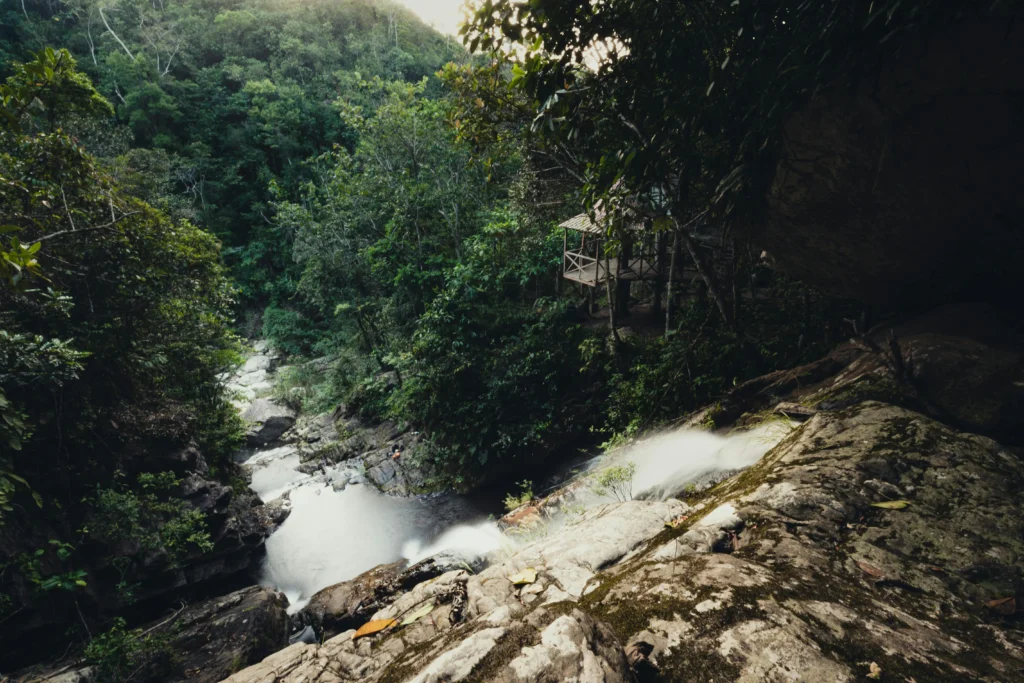
Rivers and waterfalls provide opportunities for relaxation and reflection rather than mass adventure tourism. This slow, intentional style of travel reinforces the philosophy behind eco tourism in Peru, where the journey matters as much as the destination.
Coffee, Agriculture, and Sustainability
The region is also known for its high-quality coffee and agricultural products grown using sustainable practices. Visiting small coffee farms allows travelers to understand the entire production process, from cultivation to roasting, while learning how shade-grown coffee helps preserve biodiversity.
Agritourism plays an important role in eco tourism in Peru, and Oxapampa demonstrates how responsible farming can support both the environment and local livelihoods. These experiences appeal strongly to European travelers who value transparency and ethical consumption.
You may also be interested in:Machu Picchu hiking tours 4 days: Complete guide for adventure travellers
Why Oxapampa Appeals to European Travelers
European travelers increasingly seek destinations that align with their environmental values. Oxapampa offers a rare combination of untouched nature, cultural familiarity, and sustainability. It feels remote yet welcoming, exotic yet comfortable.
The region’s climate, green landscapes, and emphasis on quality over quantity mirror many eco-destinations in Europe, making it an ideal transition for those exploring South America for the first time. As a model of eco tourism in Peru, Oxapampa shows how travel can be enriching without being extractive.
A Different Way to Discover Peru
Oxapampa challenges the conventional narrative of tourism in Peru. Instead of rushing from one iconic site to another, it invites travelers to slow down, immerse themselves in nature, and engage with local communities. This approach embodies the true spirit of eco tourism in Peru, where sustainability is not a trend but a long-term commitment.
For travelers willing to venture beyond the familiar, Oxapampa offers an experience that is both grounding and transformative an authentic paradise shaped by nature, culture, and responsible travel values.
You may also be interested in: What to do in Iquitos? Understanding the amazonian

The Future of Eco Tourism in Peru
As global interest in sustainable travel continues to grow, regions like Oxapampa play a crucial role in redefining tourism models. By prioritizing conservation, community, and education, the area sets an example for how eco tourism in Peru can evolve responsibly.
Rather than expanding rapidly, Oxapampa focuses on preserving what makes it special. This mindful approach ensures that future generations both local residents and travelers can continue to enjoy its natural and cultural richness.
