
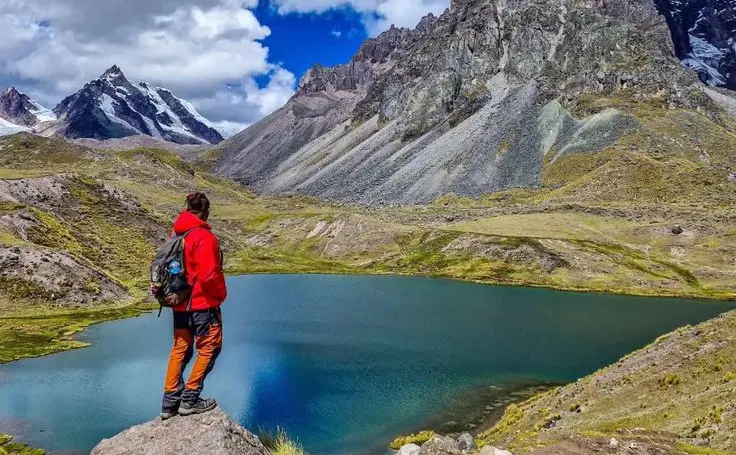
If you are the kind of traveller who believes that journeys are measured not only in kilometres but in emotions, the Peruvian Andes will speak directly to you. Peru is often associated with iconic destinations such as Machu Picchu, the Amazon rainforest, or the colonial charm of its cities. Yet, beyond these well-known highlights, there are landscapes that remain deeply authentic, shaped by centuries of Andean culture and untouched natural beauty.
The 7 lakes of ausangate is one of those experiences. It is not just a route through high-altitude lakes; it is a journey into a living mountain world where nature, tradition, and silence coexist. This guide is written for you the traveller who wants to understand where they are going, why it matters, and how to prepare properly. Throughout this post, you will find detailed explanations, practical examples, and reliable information drawn from academic research, local conservation data, and official Peruvian tourism sources.
You might also be interested in: What to do in Lima: Discover culture, flavor and history
Understanding the 7 lakes of ausangate and its Andean significance
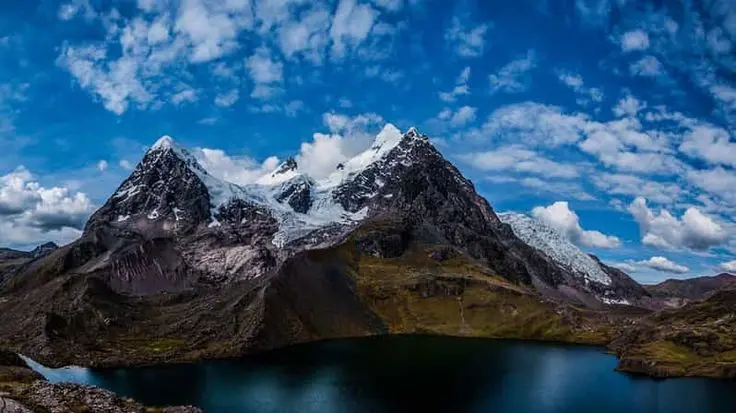
The 7 lakes of ausangate takes place in the Vilcanota mountain range, located in the Cusco region of southern Peru. This area is dominated by Nevado Ausangate, the fifth-highest mountain in Peru at 6,384 metres above sea level. According to Peru’s National Institute of Natural Resources (INRENA) and regional environmental studies, this mountain plays a critical role in local water systems, feeding rivers that sustain rural communities.
When you embark , you are walking through an ecosystem shaped by glacial meltwater, extreme altitude, and centuries of human adaptation. The lakes themselves are the result of geological processes that began thousands of years ago, making the route as educational as it is visually striking.
Cultural relevance within the 7 lakes of ausangate
For local Quechua-speaking communities, Ausangate is not simply a mountain. Anthropological studies from the Pontifical Catholic University of Peru explain that Ausangate is considered an Apu a sacred mountain spirit believed to protect surrounding lands. The 7 lakes of ausangate passes through territories where rituals, pastoral traditions, and seasonal migrations are still practised today.
This cultural context transforms the into more than a scenic hike. It becomes a respectful encounter with a worldview that sees nature as a living presence rather than a resource.
Geography and natural environment of the 7 lakes of ausangate
The geography is defined by altitude, colour, and contrast. The route generally ranges between 4,200 and 4,700 metres above sea level, placing it firmly within the Andean puna ecosystem. According to research by the Peruvian Ministry of Environment, this zone supports specialised flora and fauna adapted to low oxygen levels and intense solar radiation.
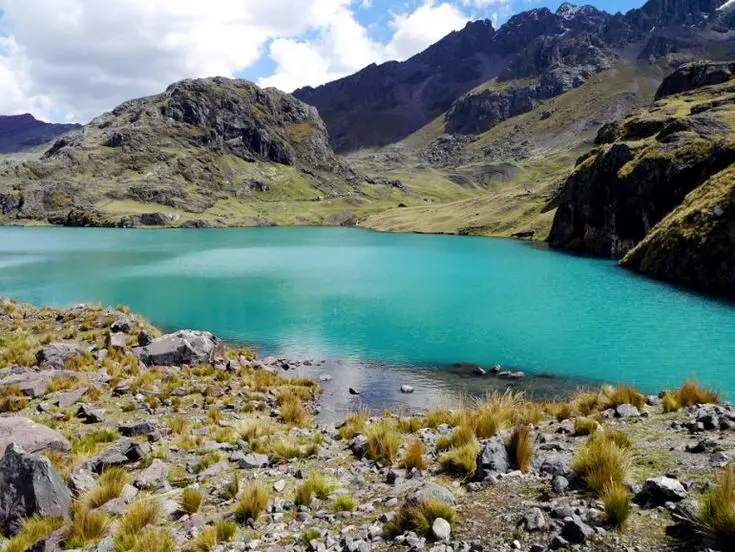
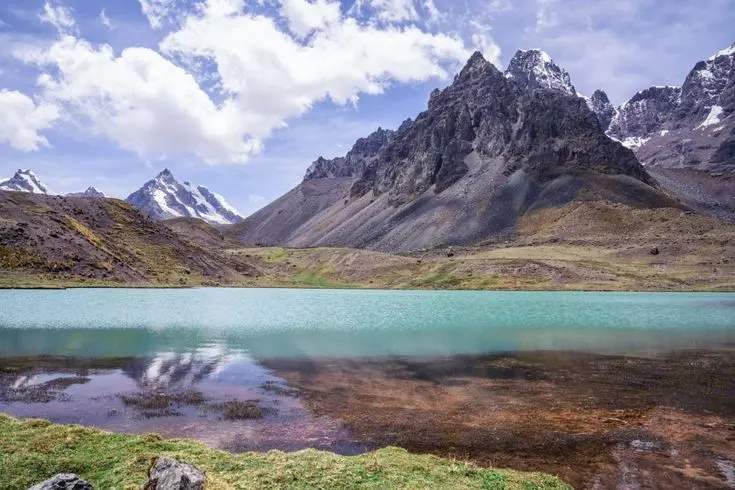
Each lake along has a distinct mineral composition, which explains the remarkable variation in colour from deep turquoise and emerald green to dark sapphire and reddish hues.
The seven lakes explained
Although local names may vary slightly by community, the lakes commonly included in the 7 lakes of ausangate are:
- Pucacocha – Known for its reddish tones, caused by iron-rich sediments.
- Otorongo Macho – Named after the Andean jaguar, symbolising strength.
- Otorongo Hembra – Located nearby, reflecting local duality beliefs.
- Qomercocha – Recognised for its intense green colour.
- Alqacocha – Often darker due to depth and shadow from surrounding peaks.
- Patacocha – Fed directly by glacial streams.
- Azulcocha – Famous for its clear blue waters during dry season.
Scientific studies on glacial lakes in the Andes, published by the National University of San Antonio Abad of Cusco, confirm that these lakes are highly sensitive to climate change, making responsible tourism essential.
Physical preparation
Before undertaking, it is strongly recommended to:
- Spend at least two days acclimatising in Cusco or the Sacred Valley.
- Stay hydrated and avoid alcohol before the tour.
- Eat light, carbohydrate-rich meals.
Example : Imagine arriving in Cusco and immediately booking tour for the next morning. Many travellers who do this experience headaches and fatigue that distract from the scenery. Those who take time to acclimatise often describe the same route as demanding but deeply rewarding.
You might also be interested in: Find out the best time to travel to Peru
Route logistics and access to the 7 lakes of ausangate
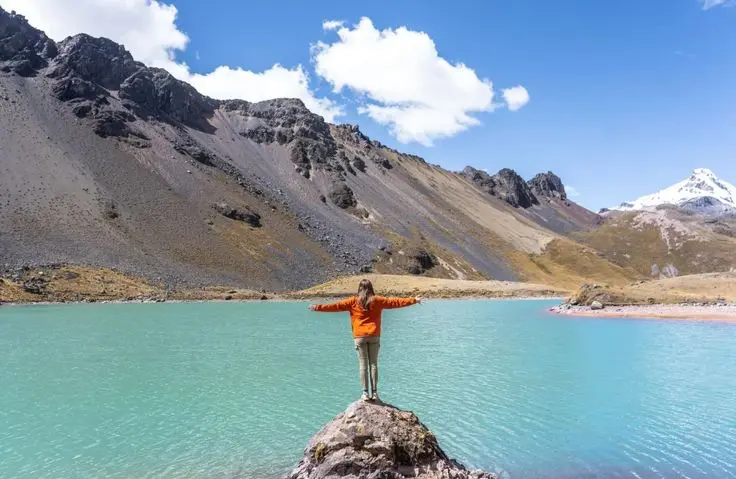
Access to usually begins in the city of Cusco, followed by road transport to the community of Pacchanta. According to regional tourism infrastructure data, Pacchanta serves as a gateway due to its proximity to the lakes and its natural hot springs.
Within the broader travel planning context, many visitors combine this experience with established itineraries offered by local operators such as quechuas expeditions, whose routes align with community-based tourism standards promoted by Peru’s Ministry of Foreign Trade and Tourism.
Timeframes and distances
The standard 7 lakes of ausangate is completed in one full day, with a hiking distance of approximately 12 kilometres. Walking time averages between five and six hours, depending on weather and group pace.
- Example : A traveller accustomed to coastal city walks may expect an easy hike. However, on the 7 lakes of ausangate, even gentle slopes feel different at altitude. Understanding this difference beforehand allows you to pace yourself without frustration.
Climate patterns
The climate of is influenced by Andean highland weather systems. According to Peru’s National Meteorology and Hydrology Service (SENAMHI), the region experiences two main seasons:
- Dry season (May to September): Clear skies, cold mornings, stable conditions.
- Wet season (October to April): Increased rainfall, greener landscapes, reduced visibility.
Choosing the right season
Most travellers prefer the dry season for the 7 lakes of ausangate, particularly June to August. However, April and October offer fewer crowds and vibrant colours.
It is common for visitors to integrate this experience into wider itineraries that include cultural city excursions, similar in pace and structure to a lima half day tour, allowing for gradual adjustment between environments without physical overload.
Sustainability
The 7 lakes of ausangate passes through fragile ecosystems protected under regional conservation guidelines. Studies by the Andean Mountain Initiative highlight the importance of limiting waste, avoiding off-trail walking, and respecting wildlife.
Responsible behaviour
Travellers are encouraged to:
- Carry reusable water bottles.
- Avoid removing stones or plants.
- Follow guidance from local community leaders.
Example : A small action, such as staying on marked paths during , helps prevent soil erosion that can permanently alter water flow into the lakes.
You can also read: 8 Festivals in Peru: A Vibrant tradition and Joy!
Wildlife and biodiversity along the 7 lakes of ausangate
Walking through means entering one of the most specialised ecosystems in South America. The high-Andean puna may appear sparse at first glance, yet scientific studies conducted by Peru’s National Service of Natural Protected Areas (SERNANP) confirm that this region hosts a remarkable level of biodiversity adapted to extreme altitude, cold temperatures, and limited vegetation.
Understanding this environment allows you to appreciate the landscape beyond its visual beauty. Every plant, animal, and water source you encounter on plays a role in maintaining ecological balance.
Fauna commonly
Among the most frequently observed animals are:
- Vicuñas and alpacas, which are essential to local economies and ecosystems.
- Andean foxes, typically seen at dawn or dusk.
- Highland birds, including Andean geese and ground-tyrants.
According to zoological research published by the National University of San Marcos, vicuñas are particularly important for grassland regeneration, as their grazing patterns prevent overgrowth and soil degradation.
Flora and plant life
Plant life along the 7 lakes of ausangate includes ichu grass, cushion plants, and native mosses. These species retain moisture and protect the soil from erosion. Environmental data from the Andean Mountain Research Centre indicates that damage to this vegetation can take decades to recover, reinforcing the importance of responsible hiking practices.
You might also be interested in : The 10 most important inca cities in Peru
Safety considerations during the 7 lakes of ausangate
Safety is a crucial aspect of , not because the route is dangerous by nature, but because the environment demands respect and preparation. High altitude, rapid weather changes, and remote terrain mean that informed decisions make a significant difference to your experience.
Health and altitude management
Medical guidance from international travel health organisations recommends recognising early symptoms of altitude sickness, such as dizziness or nausea. Guides trained in high-altitude response are standard on the 7 lakes of ausangate, particularly when working with established operators that follow regional safety protocols.
Carrying basic essentials such as sun protection, layered clothing, and snacks is not optional; it is part of travelling responsibly in the Andes.
Cultural exchange during
Visitors often encounter local families tending alpacas or selling handmade textiles. These interactions are not staged performances; they are part of daily life. Choosing ethical tour providers ensures that economic benefits remain within the community.
Complementary destinations
A natural continuation involves exploring the Sacred Valley and its historical routes. For many visitors, a machu picchu tour from ollantaytambo provides a thoughtful transition from natural immersion to architectural heritage, connecting Andean cosmology with Inca engineering.
This sequencing reflects recommendations from sustainable tourism studies, which suggest alternating physically demanding activities with reflective cultural experiences.
You might also be interested in: Manu National Park: Best journey into the heart of the Amazon
A journey that reshapes how you experience the Andes
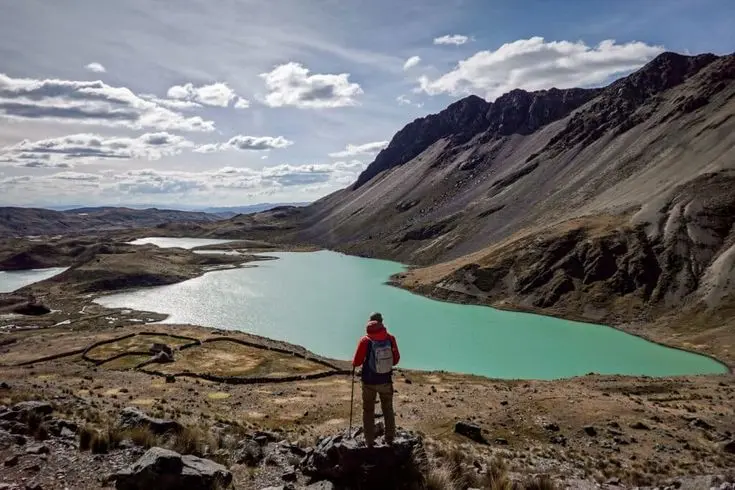
The 7 lakes of ausangate offers something rare in modern travel: a sense of presence. As you walk between glacial lakes, sacred peaks, and quiet valleys, the experience gently shifts your focus away from rushing and towards observing, listening, and understanding. This route is not about collecting photos, but about recognising how nature and culture coexist at high altitude, shaped by respect, resilience, and time.
What makes the 7 lakes of ausangate especially meaningful is how it connects physical effort with emotional awareness. The altitude challenges you, the silence grounds you, and the interactions with local communities remind you that these landscapes are lived in, not staged. Each lake reflects not only the surrounding mountains, but also a way of life that has adapted carefully to one of the world’s most demanding environments.
When you leave the region,stays with you as a reference point for thoughtful travel. It encourages a deeper appreciation for preparation, responsibility, and cultural sensitivity. More than a scenic route, it becomes a personal reminder that some journeys are valuable not for how fast they are completed, but for how deeply they are felt.
