
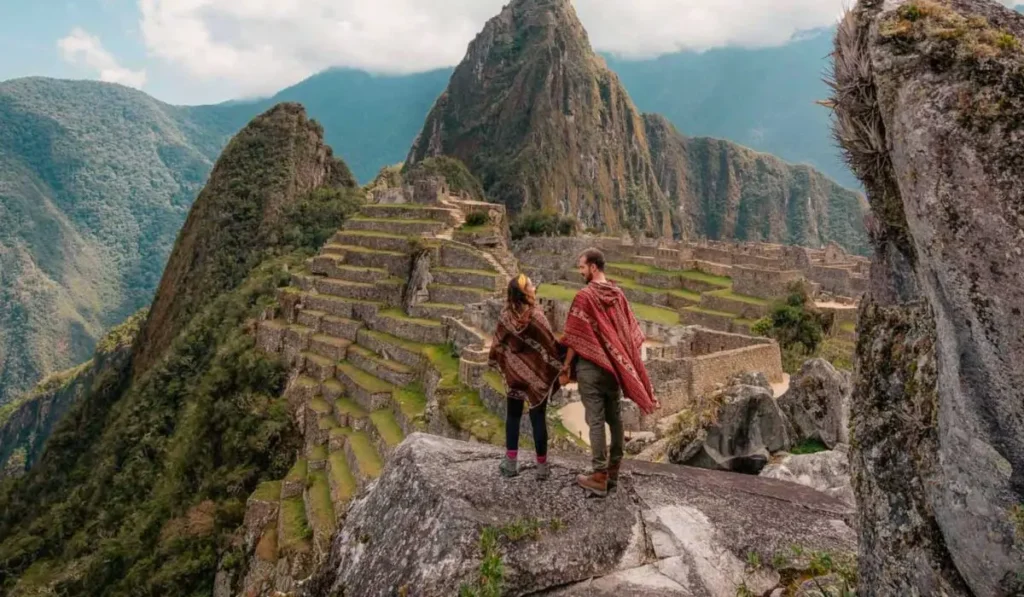
If you’re thinking about traveling to Cusco and don’t know the best time to go, don’t worry, we’ll explain it to you straight. Cusco is one of those destinations where each season has its charm, but also its challenges. It’s not the same going during the dry season, with bright sunshine and clear skies, as it is during the rainy months when everything is greener but hiking becomes a bit more difficult.
In this blog, we’ll tell you, with clear and useful information, when the best time to travel to Cusco really is, depending on the weather, what you want to do, and the type of experience you’re looking for. This way, you can choose your dates with a clear head and avoid those headaches that sometimes come from not being well-informed before traveling.
Understanding Cusco’s climate throughout the year
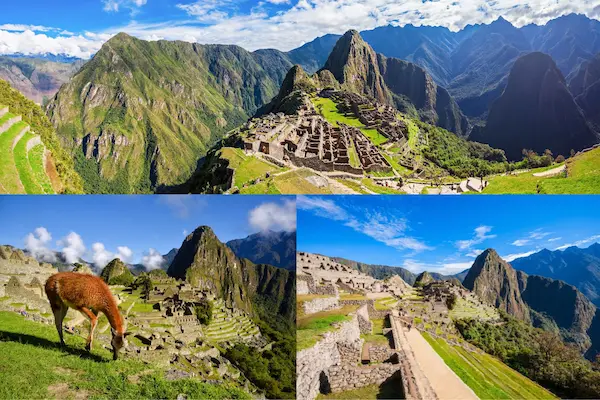
Cusco’s climate is unique due to its high-altitude location in the Peruvian Andes. Instead of the four-season structure common in Europe, Cusco experiences two main seasons: dry and rainy. Each season dramatically influences travel conditions, landscapes, and the availability of outdoor activities.
Knowing how these seasonal patterns affect daily life in the region is essential for determining the best time to travel to Cusco, especially if you plan to visit archaeological sites, hike, or attend cultural events. Below, we break down the weather differences so you can choose the most suitable time for your trip.
Dry season: why it’s the most popular time to visit
From May to September, the dry season offers the clearest skies and the lowest probability of rain. These conditions make it ideal for visiting Machu Picchu, trekking routes like the Inca Trail or Salkantay, and exploring Cusco’s historic centre without weather-related disruptions. This period also offers the crispest visibility for photography, especially in early mornings when the sunlight enhances mountain views.
However, it’s also the busiest season. European travellers should expect higher accommodation prices, increased demand for train tickets to Aguas Calientes, and fully booked trekking permits months in advance. Nights can be very cold—close to freezing in June and July—so proper layering is essential even if daytime temperatures feel comfortable.
Rainy season: what to expect and how to prepare
From November to March, Cusco experiences frequent showers and occasional storms. The rain intensifies from January to February, affecting trail accessibility and causing temporary closures of certain hiking routes. Machu Picchu remains open year-round, but trails around the site can become slippery and visibility may be reduced at times.
Despite these challenges, the rainy season offers advantages. Landscapes become vibrant and green, air quality improves, and tourist crowds reduce significantly. Travellers who prefer quieter experiences and lower prices may find this season appealing, especially if they plan to explore museums, markets, and cultural sites rather than long outdoor treks.
Temperature variations between day and night
Cusco’s altitude (3,400 m) generates strong temperature swings. Even in the warmest months, mornings and evenings can feel significantly colder than midday. During the dry season, temperatures can drop close to 0°C at night, while daytime conditions remain mild and sunny at around 18–20°C.
In the rainy season, nights are slightly warmer, but humidity increases the perceived chill. European travellers should pack layers similar to early spring or late autumn conditions—thermal tops, waterproof jackets, and insulating mid-layers—to remain comfortable throughout the day. Understanding these variations can help you plan activities strategically.
You might also be interested in: Sacred valley tour from Urubamba
The best time to travel to Cusco based on your travel interests
Cusco offers dramatically different experiences depending on what kind of traveller you are. Whether you’re hiking, exploring cultural landmarks, or seeking budget-friendly adventures, each season provides distinct advantages.
Below you’ll find a breakdown tailored to different interests to help determine the best time to travel to Cusco according to your travel goals.
Best time for trekking
The dry season is the optimal period for trekking, as the trails remain firm, river levels are lower, and mountain views are consistently clear. The Inca Trail, for example, is heavily regulated, and permits sell out months in advance for the May–August period, which many consider the absolute best time for hiking due to stable weather.
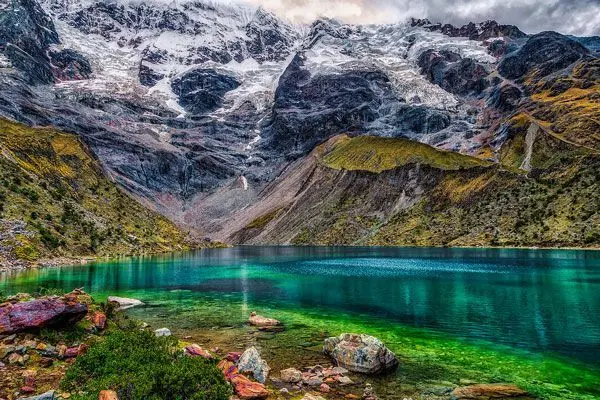
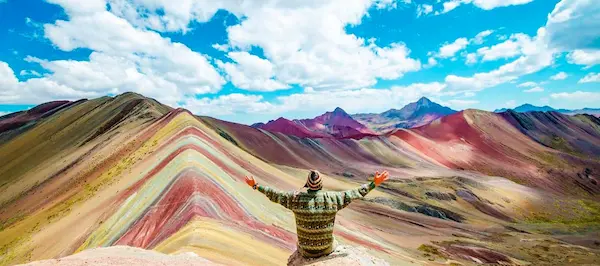
Shorter hikes like Rainbow Mountain or Humantay Lake are also safer during the dry months, as there is lower risk of landslides, muddy paths, or restricted access. European hikers accustomed to Alpine conditions will find the Andean dry season more predictable and manageable.
Best time for visiting Machu Picchu
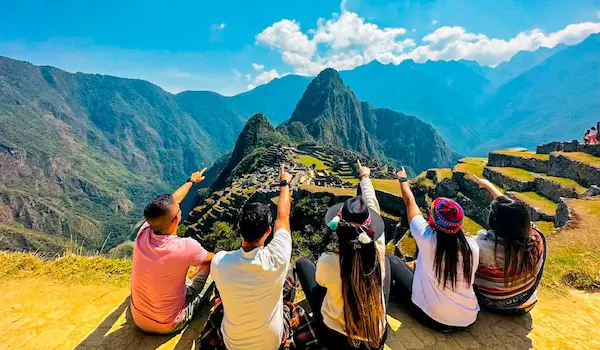
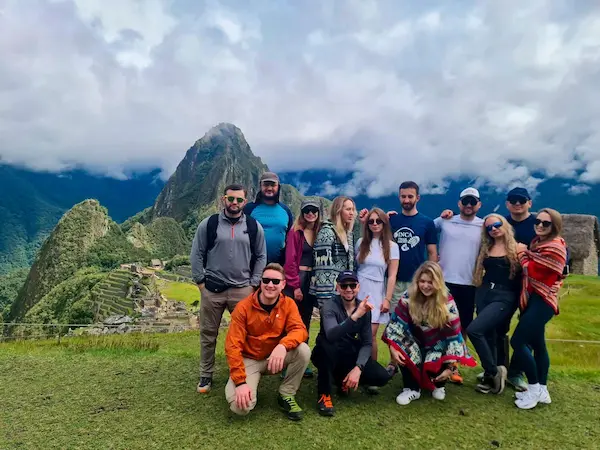
Although Machu Picchu is open year-round, the best conditions occur from April to October. During these months, the site offers the clearest panoramas, allowing travellers to see the full outline of the citadel and surrounding mountains without cloud obstruction. Photographers favour early mornings in May and June for the best light.
In the rainy season, Machu Picchu takes on a more mystical appearance with low-lying clouds. While visibility can vary, the reduced crowd levels make the experience more peaceful. Travellers who prioritize atmosphere over perfect clarity may find the shoulder months of November and March particularly appealing.
Best time for cultural activities and local festivals
Cusco’s festival calendar peaks in June, making it one of the most culturally vibrant months to visit. The most significant celebration is Inti Raymi, the Festival of the Sun, which attracts visitors worldwide. During this period, traditional dances, processions, and historical reenactments dominate the city—ideal for culturally curious travellers.
Other notable events include Holy Week (Semana Santa) in April and Corpus Christi in June. These festivals offer a deep insight into Andean religious syncretism and community identity. Travellers should plan ahead, as accommodation fills quickly during festival dates.
Best time for budget travellers
For travellers looking to save, the rainy season—from November to March—is the most economical. Flights from Europe are often cheaper, hotel rates drop, and many agencies offer reduced prices for tours. This is especially beneficial for long-term or slow travellers exploring Peru on a flexible schedule.
The shoulder seasons—April and October—offer a middle ground: moderate crowds, reasonable prices, and generally good weather. These months are excellent compromises for those seeking value without heavy rainfall.
Month-by-month guide to visiting Cusco
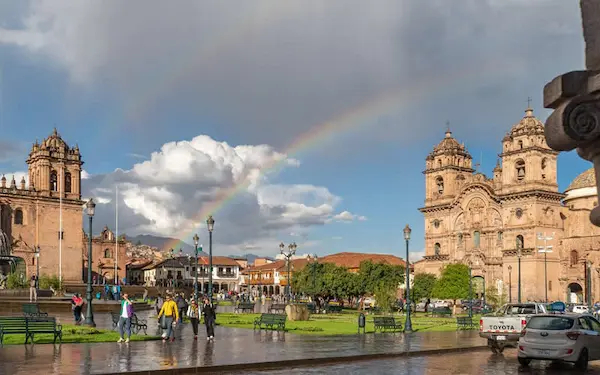
This practical breakdown helps you identify the best time to travel to Cusco based on specific conditions each month. Seasonal variations affect trekking conditions, tourist density, landscape colours, and prices.
Below is a detailed look at what each period offers.
January to March
January and February are the rainiest months, with frequent downpours and occasional disruptions to transportation or hiking routes. The Inca Trail closes every February for maintenance, which limits trekking options. However, Machu Picchu remains accessible, and its green surroundings offer unique photo opportunities.
March marks the transition toward the dry season. Rain begins to decrease, making it a good month for travellers who want budget-friendly conditions while avoiding the heaviest storms. Crowds are still low, making popular sites more enjoyable.
April to June
April is one of the most underrated months, combining lush post-rainy-season landscapes with increasingly stable weather. It’s perfect for photography, trekking, and cultural exploration. European visitors appreciate the mild temperatures and reduced crowds compared to peak months.
May and June are considered the best months overall. Skies are clear, rainfall is minimal, and major festivals animate the city. These months offer the ideal combination of cultural richness and outdoor accessibility, which is why they’re often the first choice for travellers with fixed holiday periods.
July to September
During these months, Cusco sees its highest tourist influx. The weather is consistently dry, with bright skies ideal for trekking and sightseeing. However, cold nights and early mornings require proper thermal clothing. Despite the crowds, this period offers the most reliable weather conditions.
Prices rise significantly, especially for tours, permits, and accommodations. European travellers planning summer holidays should book months in advance to secure availability.
October to December
October provides pleasant temperatures and moderate rainfall, making it a comfortable time to visit without peak-season crowds. Landscapes begin to regain greenery, and trekking remains feasible early in the month.
November and December offer increasing rain but still manageable conditions. These months provide excellent value, fewer tourists, and a festive atmosphere as the city prepares for holiday celebrations.
You might also be interested in: 7 Essential hiking in Peru experiences for first-time travelers
How altitude affects your trip to Cusco
Cusco’s altitude can surprise many European travellers, especially those coming from sea-level regions. Altitude affects breathing, energy levels, and physical performance, especially during the first 48 hours.
Understanding how to adapt safely will significantly improve your experience in the city and surrounding areas.
Acclimatisation tips for European travellers
Travellers should plan to rest during their first day in Cusco. Even short walks may feel more strenuous due to lower oxygen levels. Drinking water frequently, avoiding heavy meals, and limiting alcohol intake during the first 24 hours can significantly reduce discomfort.
Many tourists choose to stay their first night in the Sacred Valley, which is lower in altitude (2,900 m) and easier on the body. This strategy helps you acclimatise gradually before returning to Cusco for tours or trekking.
Recommended activities for your first 48 hours
During the acclimatisation phase, low-impact activities such as visiting museums, strolling through the historic centre, or exploring San Pedro Market are ideal. Avoid high-altitude tours like Rainbow Mountain during your first days.
Hydration and slow pacing are key. Travellers often find that after 48 hours, their body adjusts significantly, allowing them to enjoy more physically demanding activities without issue.
Health considerations when travelling at high elevation
Altitude sickness can affect anyone regardless of age or fitness level. Mild symptoms may include headaches, dizziness, or shortness of breath. Over-the-counter remedies, coca tea, and oxygen support—available in most hotels—can ease symptoms.
Travellers with heart or respiratory conditions should consult their doctor before the trip. Cusco’s elevation may require modifications in medication timing or activity intensity.
Travel tips for choosing the right time to visit Cusco
Knowing when to visit is essential, but being prepared for the season you choose will significantly enhance your travel experience.
Here are practical considerations to help you plan efficiently.
What to pack depending on the season
During the dry season, sun protection is crucial: hats, UV-blocking sunglasses, and strong sunscreen. Despite sunny days, cold mornings and nights require insulated jackets and thermal clothing. Footwear should be sturdy, especially for trekking.
In the rainy season, waterproof jackets, quick-drying trousers, and moisture-wicking layers are essential. A lightweight rain cover for backpacks is recommended. Roads and trails can be muddy, so waterproof hiking boots are beneficial.
How weather impacts tours and transportation
Rain can cause temporary delays in flights to and from Cusco due to cloud cover. Roads leading to the Sacred Valley or Machu Picchu may occasionally be impacted by landslides during peak rainy months. Tour operators adapt quickly, but travellers should remain flexible.
The dry season ensures more reliable schedules but also increases demand. Booking tours and transport early helps avoid last-minute complications.
When to book flights, trains, and permits for Machu Picchu
During peak season (June to August), tickets for Machu Picchu, trains to Aguas Calientes, and domestic flights to Cusco tend to sell out quickly. Booking in advance is essential, especially if you want preferred schedules or premium services. European travellers often secure all their arrangements at least 2 to 4 months ahead to avoid last-minute price spikes.
If you prefer having everything organised before you arrive, coordinating your reservations through an agency travel Peru can help streamline the process. These agencies usually handle entrance permits, transport, and even guided visits, ensuring you don’t miss out on high-demand experiences during popular months. This is especially useful for travellers who want a smooth, well-planned itinerary without logistical stress.
Choosing the best time to travel to Cusco
Ultimately, choosing the best time to travel to Cusco depends more on what you want to experience than on the calendar itself. If you want stable weather, dry roads, and breathtaking views, the dry season is your ally. But if you prefer fewer crowds, lower prices, and lush greenery, the rainy season has its charm too.
The important thing is to travel prepared, with realistic expectations, and knowing what to expect. Cusco always surprises, whether it’s with its culture, its changeable weather, or the energy you feel in every corner. So, you know what to do: choose your dates, pack your things, and go for it Cusco never disappoints.
