
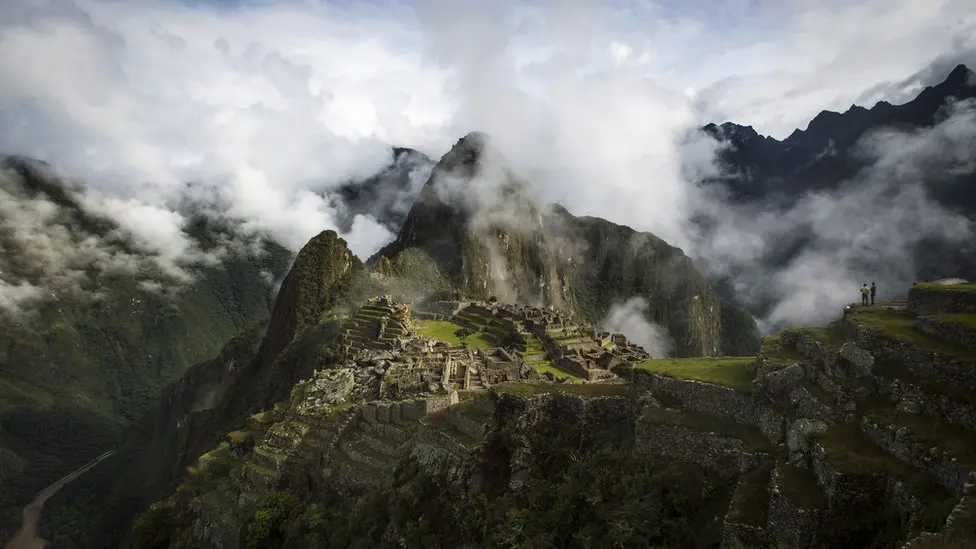
The history of the Incas in Peru is one of the most captivating in human history. This empire, which controlled vast areas of South America, left a lasting legacy in cultural wisdom, architecture, and astronomy.
From the sacred city of Cusco to the magnificent citadel of Machu Picchu, the Incas built a civilization that continues to amaze archeologists, historians, and tourists worldwide.
You might be interested in reading: A Complete guide to exploring adventures in Peru
Origins and Rise of the Inca Civilization in Peru
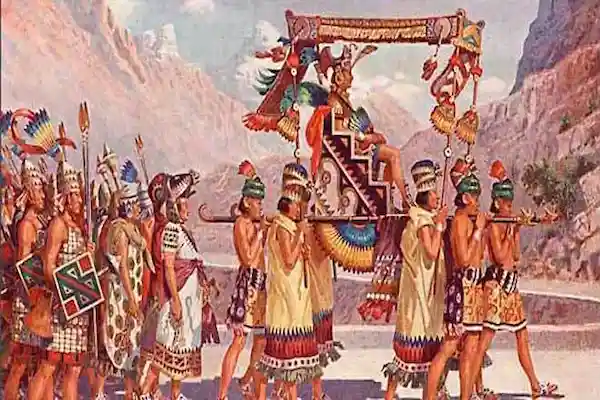
In the heart of the Andes, in the Cusco Valley, the Inca civilization originated as a tiny tribe. According to Andean legend, Inti, the sun god, sent the first Incas to restore harmony to the world. Over time, they united the neighboring tribes and established what would become the largest empire in pre-Columbian America: the Tahuantinsuyo.
Within the history of the Incas in Peru, it is mentioned that the Inca Empire was divided into four zones, which were governed by local rulers loyal to the Sapa Inca, the supreme monarch. The Incas extended their dominion thru diplomacy, the creation of strategic alliances, and an effective network of roads and warehouses that connected even the most distant areas.
How did the Inca Empire expand across South America?
In the history of the incas in peru the Inca Empire, at its peak, covered an area of more than two million square kilometers, from Ecuador to Chile. The Incas created an extensive road network known as the Qhapaq Ñan, which enabled them to communicate, transport food, and move troops with great efficiency. These roads were the main support of their empire and an essential factor in their triumph.
Agriculture and trade played a fundamental role in their expansion. Agricultural terraces and modern irrigation systems enabled them to cultivate crops in mountainous areas, ensuring that millions of people had food. The Inca history in Peru not only reflects conquests but also a balance with nature and an innovative spirit.
Inca social development
In the history of the incas in Peru their society was based on collective labor and reciprocity. Each member of the community contributed to agriculture, construction, and public projects.
Their homes, built with stone and thatched roofs, were erected near water sources and in strategic locations, ensuring access to vital resources and adequate defense against potential threats.
Inca engineering, agriculture, and religion
The engineering advances achieved by the Incas were centuries ahead of their time. inside the history of the incas in peru Paved roads, suspension bridges, and cities aligned with the stars were built. The agricultural terraces built on the mountain slopes prevented erosion and increased production.
Daily life was closely tied to religion. the history of the incas in Peru shows that they venerated the elements of nature: the sun (Inti), the moon (Mama Killa), and the earth (Pachamama). Throughout the year, they commemorated their festivals and ceremonies to honor them.
If you are a traveler fond of history, following in the footsteps of the ancient Andean builders, the short Inca trail 2 days offers a unique experience to traverse the sacred paths where messengers and priests of the empire used to walk.
You might be interested in reading: Find out the best time to travel to Peru
The mystery of Machu Picchu and its role in Inca history
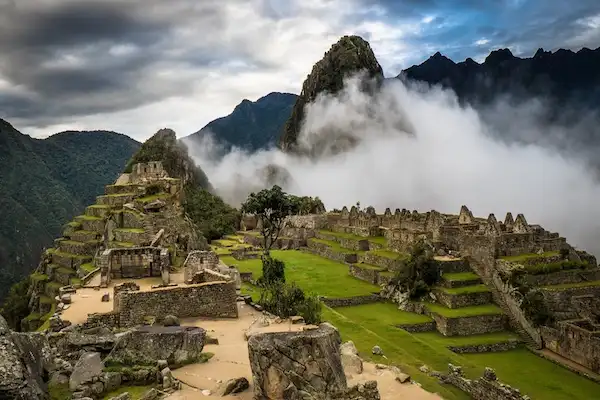
Machu Picchu was hidden among the clouds and the Andean jungle; however, it remains one of the planet’s greatest archeological mysteries. Because, according to studies, it was built in the 15th century and rediscovered by Hiram Bingham in 1911, its original purpose is still debated, which contributes to the mystery of Machu Picchu that fascinates millions of people.
Sacred site and astronomical center of the Incas
Many experts believe that Machu Picchu was either a royal retreat for Emperor Pachacútec or a spiritual sanctuary aligned with astronomical events. Its architecture demonstrates an advanced knowledge of the stars: the Temple of the Sun, for example, aligns perfectly with the solstice.
It is impossible to recount the history of the Incas in Peru without mentioning this wonder of the world. It showcases the empire’s architectural genius and its close ties to spirituality and nature.
Today, thousands of explorers are discovering this ancient enigma via the Machu Picchu Inca trail 4 days, a route that blends breathtaking vistas with the legacy of one of history’s greatest civilizations.
Walking the ancestral routes: hiking the Inca Trail
For modern travelers seeking to explore ancient and mysterious routes, hiking the Inca Trail is much more than a physical challenge; it’s a spiritual experience left wit the history of the incas in peru that connects them to the ancient world. The route followed by the trail is the same one used by Inca messengers to carry messages throughout the empire.
The Inca Trail tour experience and its connection to Inca culture.
The history of the Incas in Peru is not only marked by the physical remains found in Cusco, such as the magnificent citadel of Machu Picchu, but also by the cultural and traditional vestiges that have persisted for thousands of years, despite the evolving habits throughout history.
However, there is a route that extends through many places beyond Cusco; we are talking about the Inca Trail, which does extend through many parts of Peru, but its final destination is Machu Picchu. Along this path we can find different vestiges such as the Tambos, which are collection areas for supplies transported by the Incas, and aqueducts that provided drinking water to the different regions.
So if you want to visit all these small places or walk the Inca Trail and feel the mystique that is felt, companies like Incas Expeditions specialize in giving you all the details of this great trip you can take, provided, of course, that you want to feel like a true Inca.
You might be interested in reading: What to do in Lima: Discover culture, flavor and history
The Legacy of the Inca Empire in Modern Peru
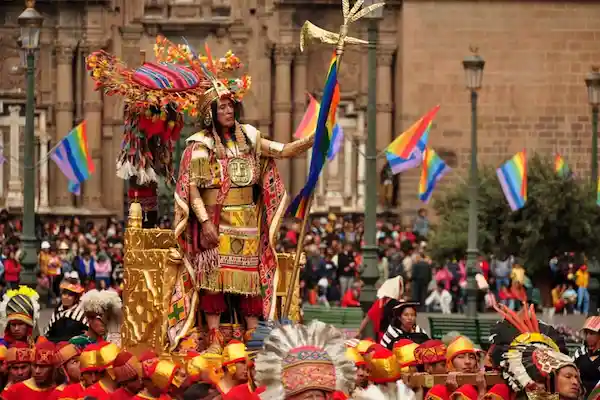
The legacy of the Incas remains present in Peruvian culture, despite the empire’s collapse in the 16th century. From traditional clothing to the Quechua language and festivals to music, traces of Inca identity are deeply rooted in contemporary life in the Andes.
Influence of Inca culture on contemporary Andean life
Andean communities still practice ayni, the ancient norm of reciprocity in which people exchange goods and labor. Agricultural techniques such as terracing, which maintain biodiversity and productivity, are still in use.
The history of the Incas in Peru continues to inspire the entire planet, not just the Peruvian people. Their sustainable vision, respect for nature, and community values serve as a model for addressing today’s social and environmental challenges.
Responsible tourism also plays a key role in preserving this heritage. Conscious travelers contribute to the maintenance of archeological sites and the strengthening of local communities.
You might be interested in reading: The 10 most important inca cities in Peru
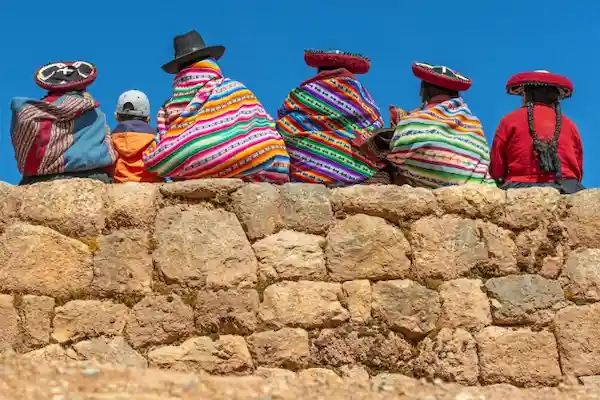
Preserving the Incas’ millennial legacy for future generations.
The history of the Incas in Peru is more than just a narrative of past grandeur; it is a living testament to creativity, spirituality, and resilience. From the construction of Machu Picchu to the extensive Qhapaq Ñan network, the Incas demonstrated an exceptional harmony between humans and nature.
The cultural heritage of the Incas continues to inspire explorers, historians, and dreamers. All travelers who arrive in Peru become part of this story, walking the same routes once traveled by ancient kings and priests.
As we contemplate the steps of Cusco and the stones of Machu Picchu, we realize that Inca history in Peru is not just a thing of the past; it also serves as guidance for the future and as a lesson in respect, unity, and living in harmony with the Earth.
