
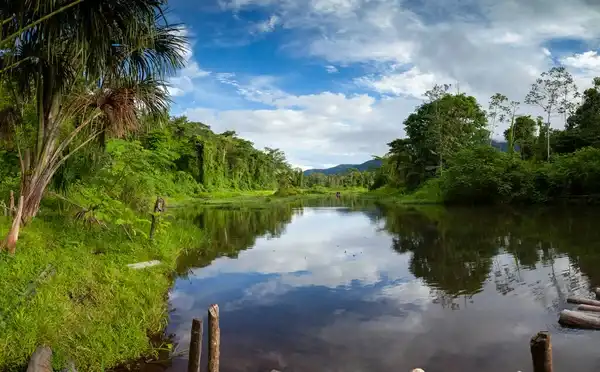
Exploring Manu National Park is like stepping into a living, breathing paradise of biodiversity. Nestled between the Andean highlands and the Amazon basin, this protected area in Peru is one of the most pristine and untouched rainforests in the world. Every trail walked, every river navigated, reveals a world teeming with wildlife, ancient cultures, and landscapes that have remained unchanged for centuries. If you’re looking for an authentic and transformative experience ¡Manu National Park is an unparalleled destination!
You can also read: Altitude sickness in Cusco: 8 essential steps to avoid it
What is Manu National Park?
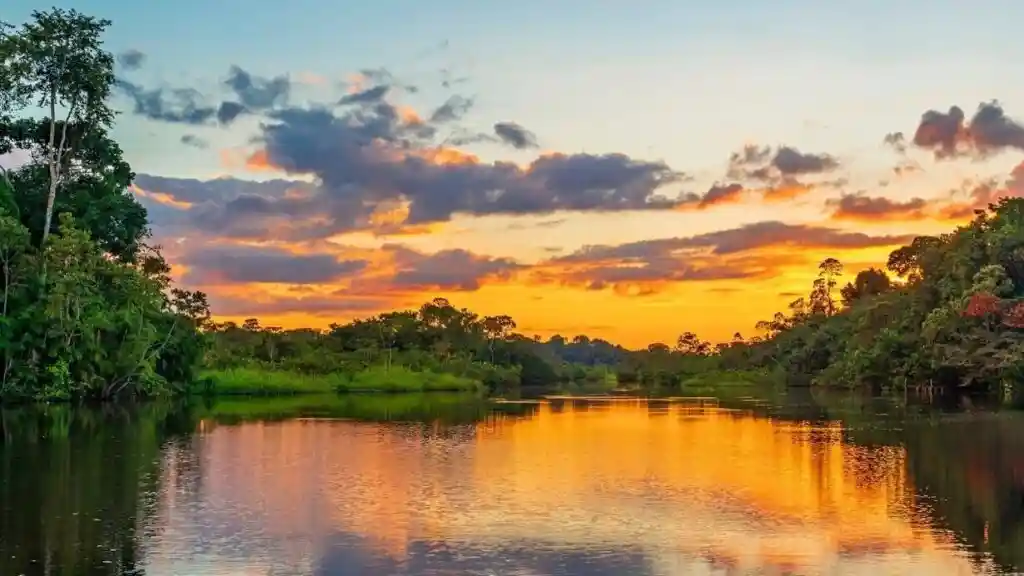
Manu National Park is one of the most biodiverse places on Earth, located in the southeastern region of Peru. Covering over 1.7 million hectares, this UNESCO World Heritage Site is home to thousands of species of flora and fauna, some of which are found nowhere else in the world. The park stretches from the Andean highlands to the Amazon rainforest, creating a unique and rich ecosystem.
Where is Manu National Park located?
Manu is situated in the regions of Cusco and Madre de Dios, deep within the Peruvian Amazon. The park’s remote location has helped preserve its pristine nature, making it a paradise for researchers, nature lovers, and adventurous travelers.
Perhaps you’re considering a Manu tour, and if so, there’s no better time to embark on this unforgettable journey. Whether you’re a wildlife enthusiast, a nature lover, or simply seeking an escape into one of the world’s most biodiverse places offers an experience unlike any other.
How to Get to Manu
Reaching Manu requires planning, as it is not easily accessible. Here are the main ways to get there:
- From Cusco: Most visitors start their journey in Cusco, where they can take a guided tour. The trip to the park involves a combination of road and river travel, usually taking around 8 to 12 hours depending on the route.
- By Air: Some tours include a domestic flight to Boca Manu, a small airstrip near the park, followed by a boat trip into the reserve.
- By Boat: From the town of Atalaya or Boca Colorado, visitors can take boats along the Madre de Dios and Manu Rivers to reach the park.
The Best Time to Visit Manu National Park
The best time to visit depends on what you want to experience.
- Dry Season (May – October) – Best for Wildlife Viewing
This is the most recommended time to visit, as the weather is drier and conditions are ideal for exploration. Key advantages include:
Easier jungle trekking – Trails are less muddy, making hikes more comfortable.
Better wildlife visibility – Animals gather around rivers and clay licks due to lower water levels.
Clearer skies – Ideal for photography and stargazing at night.
- Rainy Season (November – April) – Lush and Vibrant
While the rainforest is breathtakingly green, heavy rains make travel more challenging. However, the rainy season has its perks:
Fewer tourists – Enjoy a more secluded, intimate experience.
Increased bird activity – Perfect for birdwatchers.
Richer biodiversity – Plants and fungi flourish, supporting more insect and amphibian life.
Tours & Prices to Visit Manu National Park
Manu offers various tour packages, depending on budget, adventure level, and duration.
How to get to Manu National Park from a Machu Picchu Tour
Many travelers exploring Machu Picchu want to extend their adventure into the Amazon, and Manu National Park is an incredible next destination. Getting from Machu Picchu to Manu requires some planning, but the journey is worth it for those seeking a deeper connection with Peru’s diverse landscapes.
The most common route is returning from Machu Picchu Tour to Cusco, either by train to Ollantaytambo and then by bus or directly by train to Cusco. From there, tours to Manu typically begin with a scenic overland drive towards Paucartambo, crossing the Andean highlands before descending into the cloud forest and eventually reaching the lush Amazon basin. This journey takes around 8 to 10 hours by vehicle, depending on the final destination within Manu.
Combining Machu Picchu and Manu National Park allows you to experience Peru’s two greatest natural and cultural wonders in one trip— from the mystical ruins of the Incas to the untouched beauty of the Amazon jungle.
You can also read: 8 Festivals in Peru: A Vibrant tradition and Joy!
Best Manu Tours
- Manu Cultural Zone (3 Days)
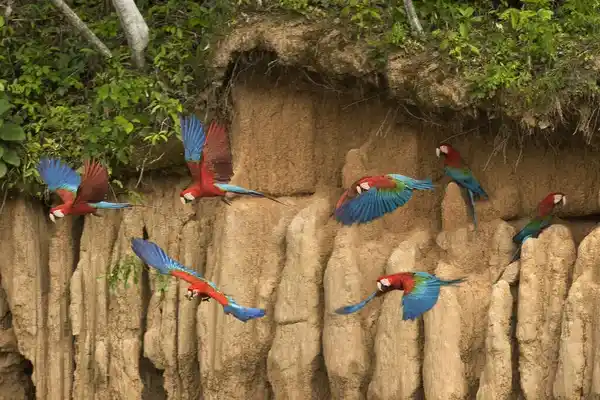
Perfect for short trips. Includes hikes, river boat rides, and macaw clay licks.
Price: ~$299 per person. - Manu Reserved Zone (5 Days)
A deeper Amazon experience, with wildlife spotting and jungle lodges.
Price: ~$833 per person. - Manu Ultimate Adventure (6-7 Days)
The most immersive experience, reaching the park’s most pristine areas.
Price: ~$1,070 – $1,500 per person.
💡 For a high-quality experience, Peru Tour Operator offers exclusive Manu tours, ensuring safety, comfort, and expert guidance. With expert-guided tours, comfortable eco-lodges, and immersive jungle excursions, you’ll witness the Amazon in its purest form. Don’t just dream about it—experience Manu’s magic for yourself.
Wildlife and Biodiversity
Manu is one of the most biologically diverse places on the planet, a true haven for wildlife and nature lovers. Spanning from the Andean cloud forests down to the lowland Amazon basin, the park protects an astonishing variety of ecosystems, making it a hotspot for scientists, photographers, and adventurers alike.
Home to over 15,000 plant species, more than 1,000 bird species, 220 species of mammals, and a countless array of reptiles, amphibians, and insects, Manu is a living laboratory of evolution and ecological balance. Some of the park’s most iconic inhabitants include jaguars, giant otters, Andean bears, tapirs, and a dazzling array of colorful macaws that gather at the famous clay licks. The park also shelters rare and endemic species, many of which are found nowhere else on Earth.
Manu shelters some of the most iconic Amazonian mammals, including:
- Jaguars – One of the best places in South America to spot this elusive predator.
- Giant Otters – Found in oxbow lakes, these rare creatures are a conservation success story.
- Tapirs – Often seen near clay licks, where they gather minerals.
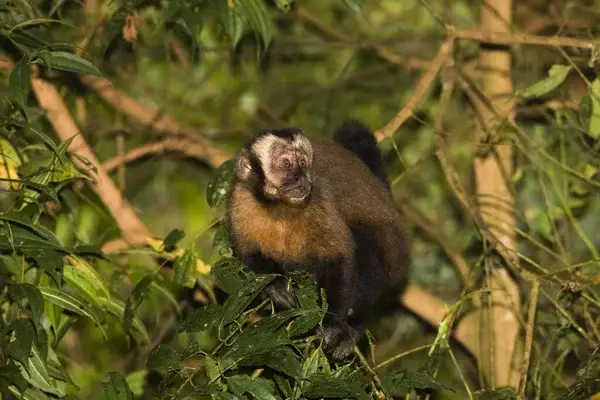
- Spider Monkeys & Woolly Monkeys – Swinging through the dense canopy.
- Birds
- With over 1,000 species, Manu is a birder’s paradise. Notable species include:
- Macaws & Parrots – Famous for their colorful clay lick gatherings.
- Harpy Eagles – One of the most powerful birds of prey.
- Cock-of-the-rock – Peru’s national bird, known for its bright red plumage.
- Reptiles & Amphibians
- Caimans – Found along riverbanks at night.
- Anacondas – The largest snake in the Amazon.
- Poison Dart Frogs – Tiny but vibrantly colored.
You can also read: The best time to hike in Cusco: 5 essential trekking tips
Why Visit the Manu?
Exploring Manu isn’t just about witnessing incredible wildlife or trekking through pristine jungle—it’s about feeling truly alive in one of the most untouched places on Earth. The rhythm of the Amazon, the symphony of birds at dawn, and the humbling presence of ancient trees remind us of nature’s raw beauty and power. Whether you seek adventure, connection, or simply a break from the modern world, Manu offers an experience that stays with you long after you’ve left. So, pack your curiosity, embrace the unknown, and let the jungle show you its magic.
