
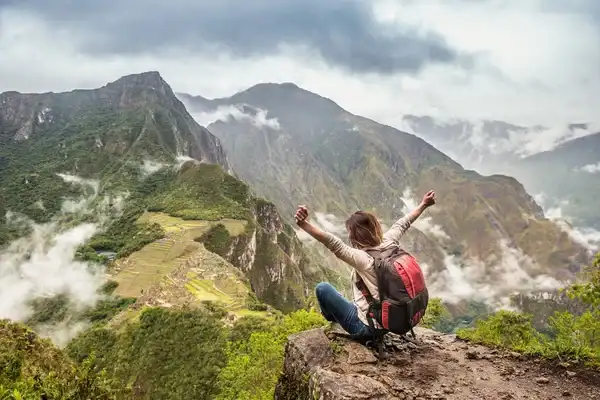
The best time to hike in Cusco is more than just about perfect weather, it’s about unlocking the full potential of your adventure. As the ancient Inca capital, Cusco offers a rich tapestry of history, culture, and nature waiting to be explored. Whether you’re eager to trek the legendary Inca Trail, uncover the beauty of the Sacred Valley, or explore other stunning hiking routes, choosing the right time for your journey is key to making it unforgettable. Let’s explore why timing is everything when it comes to hiking in this incredible region.
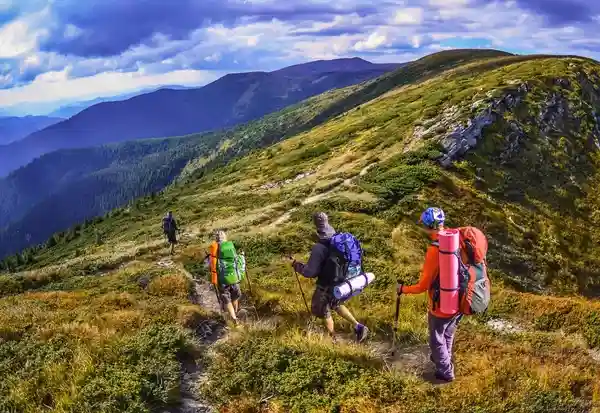
5 Best hiking tips in Cusco
Cusco is a haven for adventure lovers, and one of the top hikes to experience is the legendary Inca Trail. This iconic 4-day trek leads you to Machu Picchu, passing through stunning landscapes, ancient ruins, and rich cultural history. However, to make the most of this adventure, it’s crucial to prepare properly. A Cusco Tour can help you explore the city’s history and culture before your trek, offering insights into the local heritage.
1. Physical Preparation for the Inca Trail
The Inca Trail is a challenging hike, especially with its high altitudes and steep climbs. Proper physical preparation is key to tackling this trek:
- Build endurance: Start training several months before your hike. Focus on cardiovascular exercises such as running, cycling, or swimming to build your endurance for long days of hiking.
- Leg strengthening: Incorporate strength training into your routine, with exercises like lunges, squats, and step-ups, which are excellent for preparing your legs for the uphill sections of the trail.
- Hike on varied terrain: If possible, hike on terrain with elevation changes to simulate the conditions of the Inca Trail. It will help you get accustomed to the physical demands of the trek.
2. Acclimatize to the altitude
Cusco is situated at 3,400 meters (11,150 feet), and many parts of the Inca Trail reach altitudes of up to 4,200 meters (13,780 feet). To avoid altitude sickness and ensure you perform your best, follow these steps:
- Arrive Early: Spend at least 2-3 days in Cusco before starting the trek to allow your body to adjust to the altitude. Use this time to relax and explore the city at a leisurely pace.
- Stay Hydrated: Drink plenty of water during your acclimatization period and throughout the trek. Proper hydration helps your body adjust to the thinner air.
- Avoid Alcohol: Limit alcohol and caffeine consumption as they can dehydrate your body, making acclimatization more difficult.
3. Prepare for hiking
Packing efficiently is crucial for a successful hike. Here’s a list of essentials you should bring:
- Comfortable footwear: Invest in high-quality, waterproof hiking boots with good ankle support. Make sure to break them in before the trek to avoid blisters.
- Layered clothing: The weather on the Inca Trail can vary significantly. Pack moisture-wicking base layers, a fleece jacket, and a waterproof outer layer. Even in the dry season, it’s good to be prepared for rain or sudden drops in temperature.
- Daypack: A lightweight daypack is essential to carry water, snacks, sunscreen, and a camera while you hike. You will need to leave heavy gear in the camp while trekking each day.
- Sleeping bag: If you’re camping along the trail, bring a sleeping bag rated for cold temperatures, as nights at high altitudes can get chilly.
- Sunscreen and sunglasses: The sun at high altitudes is intense, so be sure to pack high-SPF sunscreen and UV-protective sunglasses.
4. Know the trek’s permits and logistics
The Inca Trail requires permits, and they’re limited each day to preserve the trail’s natural beauty. Here’s what you need to know about the logistics:
- Book in Advance: Permits for the Inca Trail can sell out months in advance, especially during peak season (May to September). Book your trek with an authorized tour operator at least 4-6 months ahead of time to secure your spot.
- Choose Your Trek Operator Carefully: Opt for a reputable, licensed tour operator who provides experienced guides and offers quality services, including camping equipment, food, and transportation.
5. Staying energized and healthy during the hike
Maintaining your energy levels throughout the trek is essential to completing the Inca Trail. Here’s how to stay healthy and energized:
- Eat Well: Your trek will be supported with meals provided by the tour operator. Be sure to eat well-balanced meals to fuel your body. Pack high-energy snacks like nuts, trail mix, and energy bars for extra energy between meals.
- Hydrate Regularly: Drink water often, especially in higher altitudes. Carry a refillable water bottle, and use water purification tablets or a filter if necessary.
- Take Breaks: The Inca Trail is a challenging hike, and it’s important to listen to your body. Take regular breaks to rest, catch your breath, and enjoy the stunning views.
You might also be interested: Best Salkantay Trek Company: Top 7 picks for the best trekking
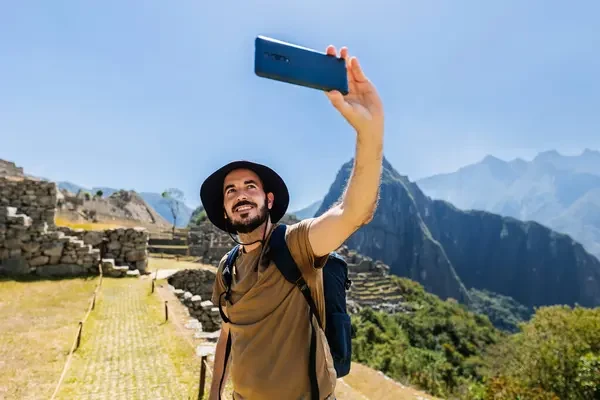
How to choose the best time to hike in Cusco?
Have you ever wondered what the best time to hike in Cusco is? With its stunning landscapes and rich cultural heritage, Cusco offers a unique trekking experience. But timing is key to making the most of your adventure. Let’s dive into the best seasons for an unforgettable hike in this magical region.
1. The dry season: April to October
The best time to hike in Cusco is during the dry season, which runs from April to October. This period offers clear skies, pleasant temperatures, and ideal trail conditions for trekking. June to August is the peak of the dry season, with cooler temperatures at higher altitudes, but it’s also the busiest time for tourists. If you’re planning to trek the Inca Trail or visit popular destinations like Machu Picchu, be sure to book your permits well in advance.
2. The wet season: November to March
From November to March, Cusco enters its wet season. While it’s not the ideal time for hiking due to heavy rains, it still has its advantages if you’re seeking a different experience.
Less Crowded: The wet season sees fewer tourists, which means you’ll have a more secluded and peaceful hiking experience. Many trails, including the Inca Trail, have fewer visitors, giving you the chance to enjoy nature in solitude.
Lush Greenery: The rain transforms the landscape, making it more vibrant and lush, perfect for nature lovers and photographers. The Sacred Valley and surrounding mountains look stunning after the rains.
However, expect muddy trails and the possibility of delays, especially in higher altitudes. If you’re planning the best time to hike during this time, ensure you’re prepared with waterproof gear, and check trail conditions in advance.
3. The best time to hike on specific tours
- Inca Trail: The dry season (April to October) is the best time to trek the Inca Trail, as it perovids clear weather and safer trail conditions. If you’re hiking during the rainy months, be aware that the trail may be slippery and challenging.
- Rainbow Mountain: This famous hike is best done in the dry season. The colorful landscape is more vibrant when the skies are clear, offering better visibility of the natural wonders.
- Salkantay Trek: One of the most challenging and beautiful trails in the region, the Salkantay Trek takes you through breathtaking landscapes, from snow-capped mountains to lush jungles, all while offering a unique experience of connection with nature.
May through September is the best time to hike and backpacking, when rainfall is low and daytime temperatures are slightly cooler. However, this coincides with the tourist season, so popular destinations, such as the Inca Trail will be at full capacity every day. If you plan to hike the Inca Trail, avoid February, as the trail is closed for repairs.
How to prepare for the Inca Trail in 4 essential steps
- Get physically ready: Prepare for the demanding terrain by building cardiovascular endurance and leg strength. Practice hiking on varied terrains to mimic the Inca Trail’s conditions.
- Acclimatize to the altitude: Arrive in Cusco at least 2-3 days before the trek to adjust to the high altitude. Hydrate well and avoid overexertion to minimize the risk of altitude sickness.
- Pack the right gear: Bring sturdy, broken-in hiking boots, layered clothing for varying weather, and essential items like sunscreen and a daypack. Don’t forget your sleeping bag if camping.
- Book early and choose the best time to hike: The best time to hike the Inca Trail is during the dry season (April to October). Book your Inca Trail Tour with a licensed operator in advance, as permits are limited and fill up quickly.
You might also be interested: The 10 most incredible peruvian waterfalls
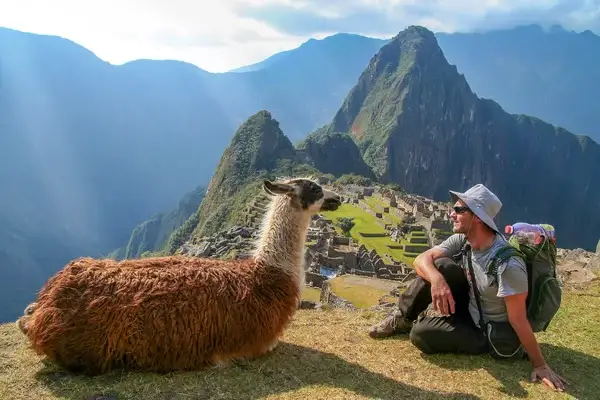
Your adventure awaits!
Whether you’re a seasoned hiker or a beginner, Cusco offers a wealth of breathtaking trails waiting to be explored. The best time to hike is during the dry season, from April to October, when the weather is ideal, the skies are clear, and the stunning views of the Andes and Sacred Valley are at their best. With trails like the Inca Trail, Salkantay, and many others, you’ll not only discover incredible landscapes but also experience the rich culture and history that makes Cusco truly special. So pack your bags, lace up your boots, and get ready for an unforgettable adventure in one of the most beautiful places on earth!
