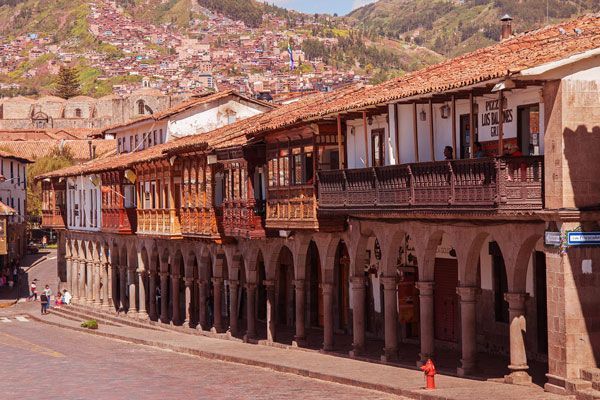
There are cities with festivals, and then there is Cusco. The former Inca capital does not simply host celebrations it inhabits them. The festivals in Cusco are not performances staged for tourists; they are living expressions of a civilization that survived conquest, colonization, and centuries of transformation, and still dances in the streets every time the calendar calls for it.
Whether you are drawn by Inti Raymi’s pre-Columbian drama, the explosive fireworks of Corpus Christi, the medieval pageantry of Señor de los Temblores, or the quiet intimacy of a neighborhood patronal feast, Cusco rewards visitors who time their arrival to coincide with these events. This guide covers the most important festivals in Cusco month by month, what to expect at each, and how to pair your festival experience with the best tours the region has to offer.
Why the festivals in cusco are unlike anything else in south america
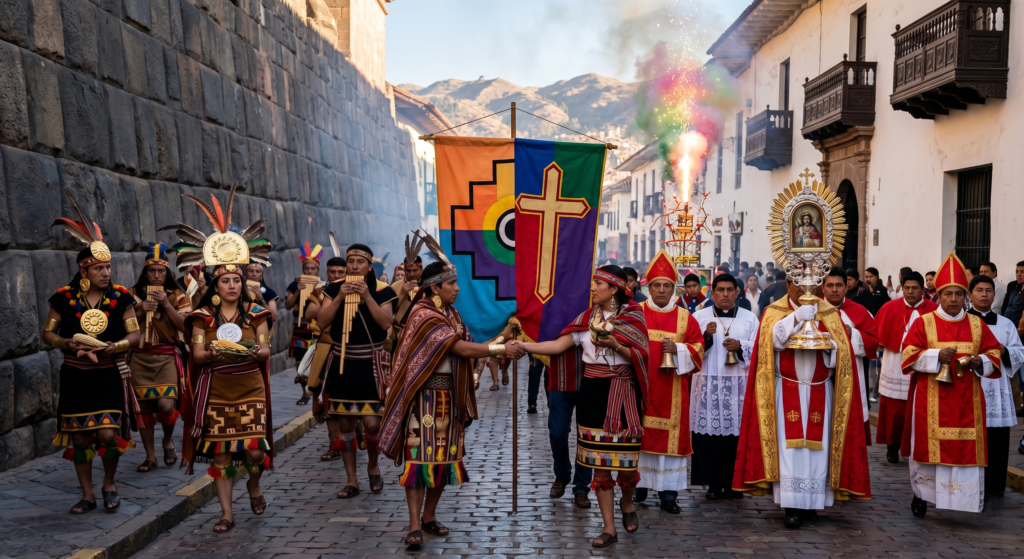
Cusco sits at the intersection of two powerful cultural streams: the Andean civilizations that preceded the Incas, the Inca Empire itself, and the Spanish colonial tradition that followed. The result is a festival calendar that is simultaneously indigenous and Catholic, ancient and colonial, solemn and exuberant.
The Incas organized their entire civic and agricultural life around a ceremonial calendar. Planting, harvesting, the solstices, the equinoxes all were marked by collective rituals that involved music, dance, offerings to Pachamama (Mother Earth), and the participation of the entire community. When Spanish missionaries arrived in the 16th century, they overlaid the Catholic liturgical calendar on top of these existing celebrations. The result was syncretism: festivals that on the surface honor Catholic saints but underneath carry Andean cosmology, rhythm, and symbolism.
This layering is what makes the festivals in Cusco so compelling. You are not watching a reconstruction of the past you are watching a culture that has been negotiating between two worlds for five centuries, and doing it beautifully.
The major festivals in cusco: a month by month guide
Cusco’s calendar is filled with vibrant celebrations that showcase the region’s rich cultural heritage, Andean traditions, and religious influences. Throughout the year, visitors can experience colorful parades, traditional dances, music performances, and ancient ceremonies that bring the city’s history to life. This month-by-month guide highlights some of the most important festivals and events celebrated in Cusco.
Inti Raymi festival of the sun (June 24)
Inti Raymi is the crown jewel of the festivals in Cusco and one of the most spectacular cultural events in the entire Americas. Held every year on June 24th the winter solstice in the Southern Hemisphere it celebrates the Inca sun god Inti and the beginning of a new agricultural year
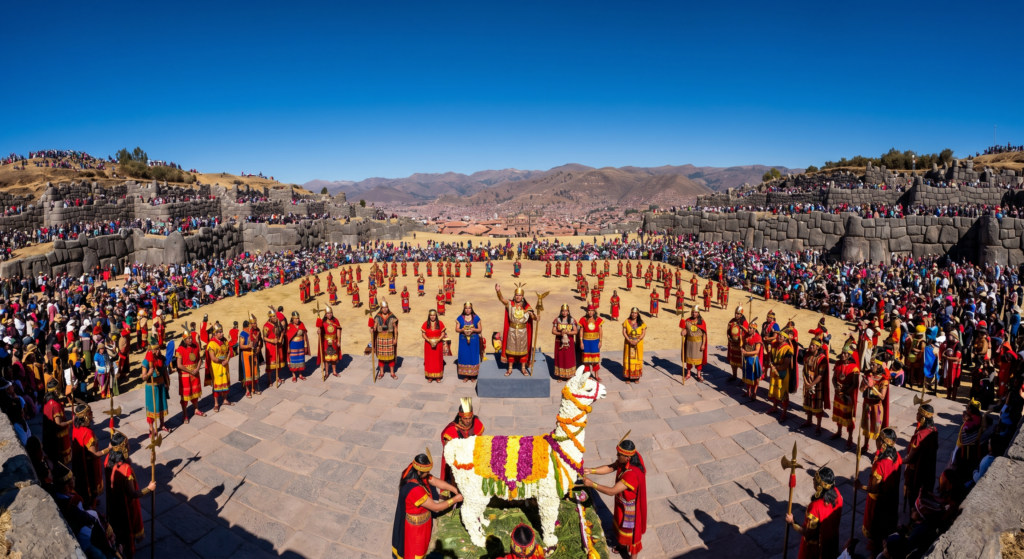
The festival begins at the Qorikancha (Temple of the Sun) in central Cusco, where the Inca played by a selected actor addresses the sun god in Quechua. The ceremony then moves to the Plaza de Armas, and finally to Sacsayhuamán, the massive Inca fortress overlooking the city. At Sacsayhuamán, a cast of hundreds performs ritual dances, music, and symbolic sacrifices (a llama made of flowers, not an actual animal) in front of an audience of tens of thousands.
Inti Raymi draws visitors from every corner of the world. If you plan to be in Cusco on June 24th, book your accommodation and tours months in advance the city fills completely. Pairing Inti Raymi with a visit to Machu Picchu makes for the ultimate Inca experience. The Machu Picchu tours offered by Machu Picchu Tour can be combined seamlessly with your festival itinerary for a trip that covers both the living celebration and the iconic citadel.
Corpus Christi (May or June moveable feast)
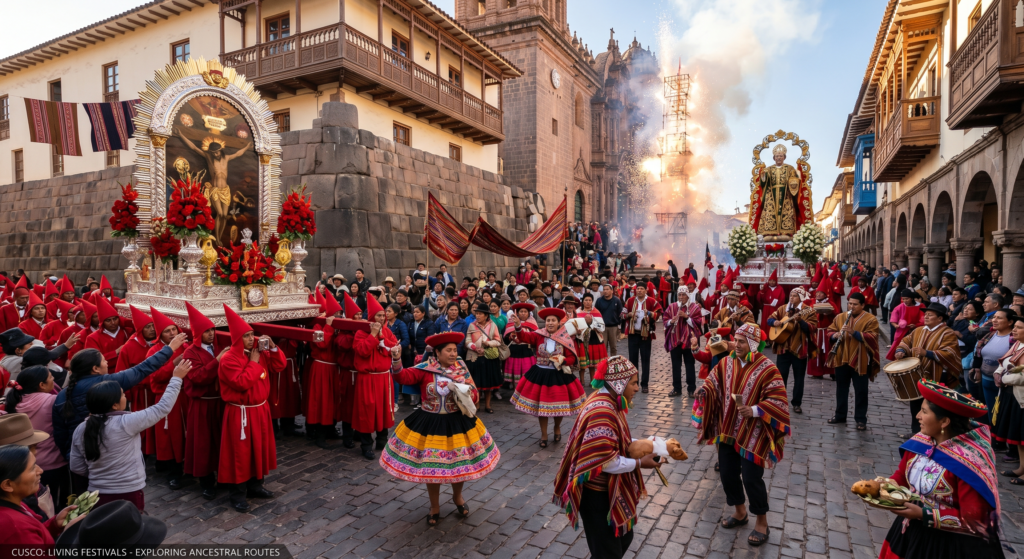
Corpus Christi is one of the most visually overwhelming of all the festivals in Cusco. Held sixty days after Easter Sunday, it brings fifteen statues of saints and virgins from churches across the region into the Cathedral on the Plaza de Armas for a week-long celebration.
Each saint arrives in a procession accompanied by its own parish band, dancers, and devotees. The Plaza de Armas becomes a sea of color, sound, and incense. The syncretism here is unmistakable: the Catholic saints occupy positions in the procession that mirror the Inca practice of parading royal mummies during their own ceremonial calendar.
Food is central to Corpus Christi. The streets around the Plaza fill with vendors selling chiriuchu a cold ceremonial dish that combines cuy (guinea pig), chicken, dried fish, cheese, corn, seaweed, and other ingredients eaten only during this festival. Trying chiriuchu during Corpus Christi is as authentic a Cusco experience as visiting the ruins. Combine your festival visit with a Cusco city tour from Machu Picchu Tour to understand the colonial architecture and Inca foundations that give Corpus Christi its unique backdrop.
Señor de los temblores lord of the earthquakes (Holy Monday)
The Señor de los Temblores procession is the most deeply emotional of all the festivals in Cusco. Held on Holy Monday (the week before Easter), it centers on a dark-skinned crucifix housed in the Cathedral, venerated since the 17th century as the protector of Cusco against earthquakes
The image is carried through the streets of the city in a procession of extraordinary solemnity. Thousands of devotees many in tears line the route, showering the Christ figure with red ñucchu flowers. The combination of Andean floral offerings and Catholic devotion makes this one of the most moving spectacles in Peru, equally powerful for believers and non-believers alike.
Qoyllur Riti star snow festival (May or June)
Qoyllur Riti is one of the most extraordinary and least-known of the festivals in Cusco a pilgrimage to a glacier at 4,700 meters above sea level that draws up to 70,000 pilgrims annually. Held about a week before Corpus Christi, it combines Catholic devotion to a miraculous image of Christ with ancient Andean mountain worship.
Pilgrims many in elaborate traditional costumes climb through the night to the glacier of the Sinakara mountain range, dance, pray, and witness the appearance of the Southern Cross. The experience is deeply spiritual and physically demanding. For adventurous travelers who want to understand Andean cosmology at its most raw, there is nothing else like it.
Reaching the festival requires acclimatization, warm clothing, and ideally a local guide. Pair your experience with a full tour of the Sacred Valley, which provides context for the Andean agricultural worldview that underlies both the festival and the landscape. The Sacred Valley tours from Machu Picchu Tour cover the valley’s most significant sites and are a perfect complement.
Warachikuy inca initiation rite (Third Sunday of October)
Held at Sacsayhuamán each October, Warachikuy is a recreation of the Inca initiation ceremony for young men. Participants compete in physical and military tests running, archery, wrestling before being symbolically recognized as adults in Inca society. The event is colorful, energetic, and family-friendly, with the dramatic backdrop of the fortress walls providing a natural amphitheater.
Carnaval cusqueño (February)
Carnival in Cusco is exuberant and communal. Unlike the carnival of coastal cities, the Cusco version retains strong Andean elements: water games, flour and talcum powder fights, music from brass bands, and the cutting of the yunza (a tree decorated with gifts). Neighborhoods compete in dance contests, and the streets of San Blas and San Pedro become impromptu stages for days.
How the festivals in cusco connect to the region’s greatest sites
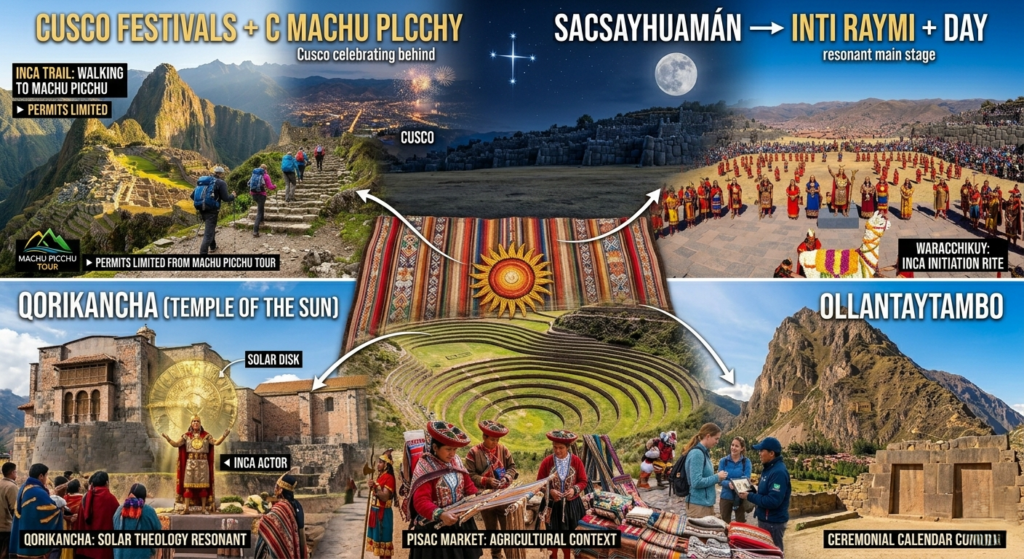
One of the greatest privileges of timing a visit around the festivals in Cusco is that the city’s most famous archaeological sites take on a new dimension. Sacsayhuamán which functions as the main stage for both Inti Raymi and Warachikuy feels completely different when you have watched it filled with thousands of costumed performers the night before. Qorikancha, the Inca Temple of the Sun, becomes more resonant once you understand the solar theology that Inti Raymi celebrates
The connection extends beyond Cusco itself. The Sacred Valley’s agricultural terraces at Moray, the market at Pisac, the fortress of Ollantaytambo all these sites make more sense in the context of the ceremonial calendar that organized Inca life. Visiting them alongside a festival creates a depth of understanding that no guidebook can provide.For travelers who want to extend the experience to the Inca Trail, the route takes on additional meaning during festival season. Walking to Machu Picchu via the same mountain paths the Incas used to reach their sacred sites while Cusco behind you is still celebrating is an experience that stays with you for life. Check current availability for the Inca Trail packages from Machu Picchu Tour and book well ahead, as permits are strictly limited.
Practical tips for attending the festivals in cusco
Plan your itinerary and secure tickets in advance. Popular events often have limited seating and designated viewing areas, so making reservations ahead of time can help you avoid last-minute inconveniences and higher prices.
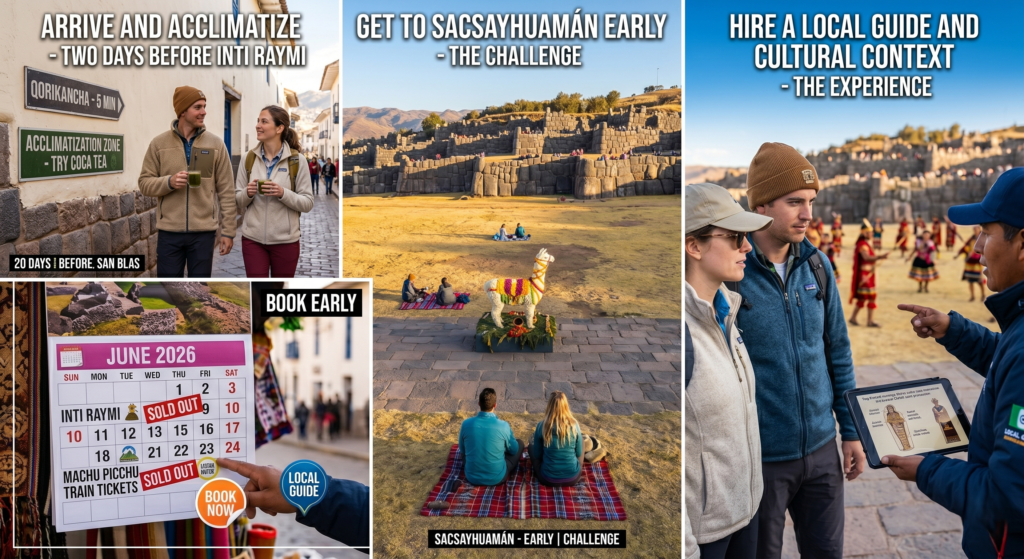
Book early especially for June
June is the most concentrated month for festivals in Cusco: Inti Raymi on June 24th is the headline event, but Corpus Christi and Qoyllur Riti also fall within the same window. This makes June the most competitive month for accommodation and transport. Book hotels at least three to four months in advance. Train tickets to Machu Picchu and Inca Trail permits sell out even earlier.
Arrive at least two days before the main event
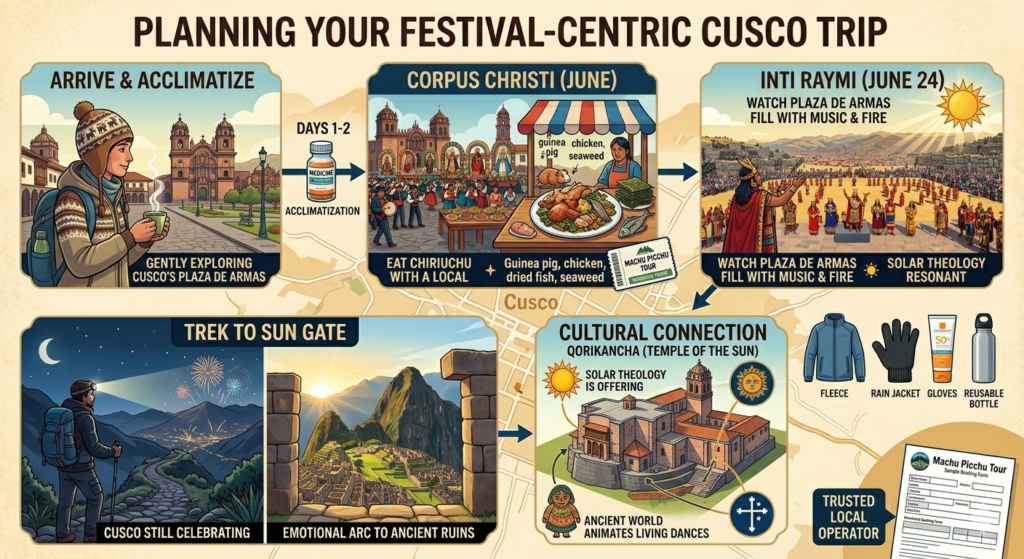
Cusco sits at 3,400 m. Altitude sickness is real and will ruin your festival experience if you arrive the morning of Inti Raymi and immediately stand in the sun for six hours. Give yourself two acclimatization days: explore the city gently, visit Qorikancha, walk San Blas, try coca tea, and let your body adjust.
Get to Sacsayhuamán early for Inti Raymi
For the final act of Inti Raymi at Sacsayhuamán, general admission seats fill by mid-morning. VIP stands (purchased in advance) offer reserved seating with better views and shade. Either way, arrive no later than 10 AM for a 3 PM ceremony bring water, sunscreen, and snacks.
Dress in layers
Festival days in Cusco can start hot under the Andean sun and turn cold quickly once clouds roll in or evening falls. A light jacket or fleece in your daypack is non negotiable. For Qoyllur Riti, full winter gear is essential temperatures on the glacier drop well below freezing.
Hire a local guide for cultural context
The ceremonies are beautiful on their own, but with a knowledgeable local guide they become comprehensible. Understanding the Quechua words being spoken, the symbolism of each dance, the identity of each saint’s procession this transforms a spectacle into an education. The guides at Machu Picchu Tour are trained in both Inca history and contemporary Andean culture, and can provide this context throughout your trip.
Combining festivals in cusco with the region’s top tours
The festivals in Cusco are most powerful when they are part of a broader regional itinerary. Here are the best combinations:
Inti Raymi + Machu Picchu
The classic pairing. Witness the Festival of the Sun in Cusco on June 24th, then travel to Aguas Calientes and visit the citadel on the following morning. The emotional arc from the living festival to the ancient ruins is extraordinary. Book the Machu Picchu tour here.
Corpus Christi + Sacred Valley
Spend Corpus Christi week in Cusco, then dedicate a full day to the Sacred Valley. The agricultural landscape of the valley, with its terraced hillsides and Inca irrigation channels, gives direct visual context to the harvest themes that underpin Corpus Christi. Explore the Sacred Valley tour options.
Inti Raymi + Rainbow Mountain
For active travelers, combine Inti Raymi with a sunrise trek to Rainbow Mountain (Vinicunca). The vivid mineral colors of the mountain feel cosmically appropriate after a day celebrating the sun god. Check the Rainbow Mountain tour from Machu Picchu Tour.
Festival season + Inca Trail
Book the four-day Inca Trail to arrive at Machu Picchu’s Sun Gate at dawn preferably during the festival season when Cusco is alive behind you. Permits are limited and sell out fast. See available dates for the Inca Trail.
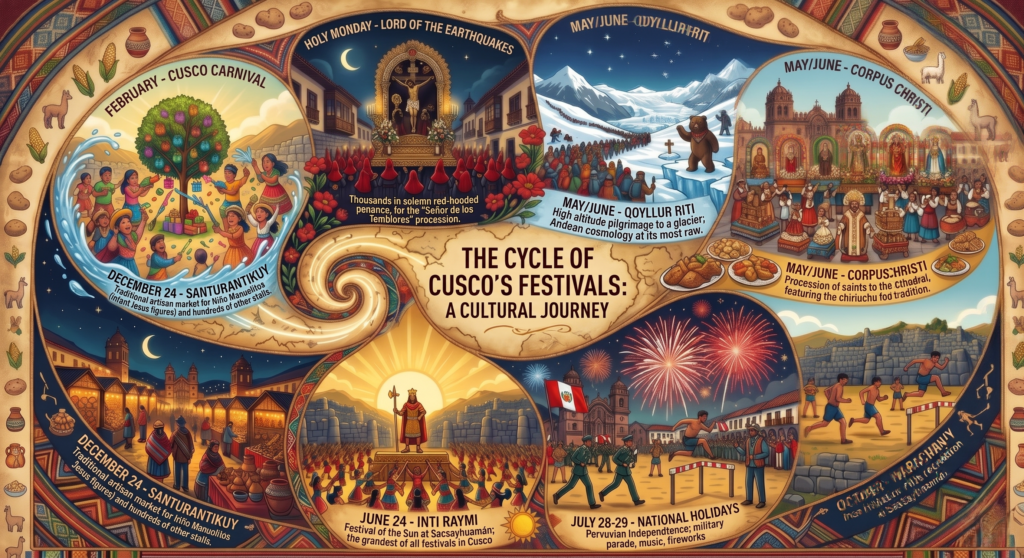
A festival calendar at a glance
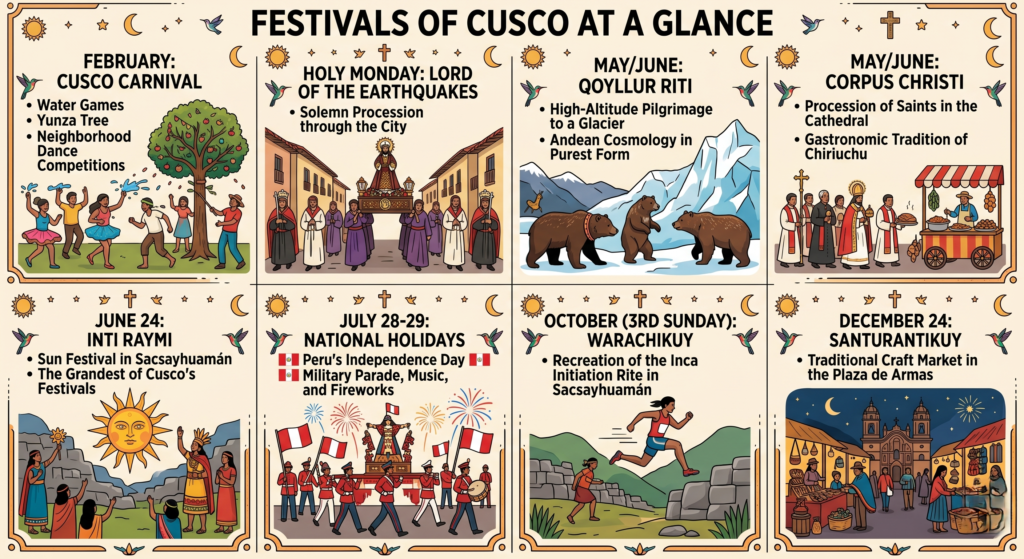
February Carnaval Cusqueño: Water games, yunza tree, neighborhood dance competitions.
Holy Monday (March/April) Señor de los Temblores: Solemn procession of the Lord of the Earthquakes through the city
May/June (moveable) Qoyllur Riti: High altitude pilgrimage to a glacier; Andean cosmology at its most raw
May/June (moveable) Corpus Christi: Procession of saints into the Cathedral; chiriuchu food tradition
June 24 Inti Raymi: Festival of the Sun at Sacsayhuamán; the grandest of all festivals in Cusco.
July 28 to 29 Fiestas Patrias: Peruvian Independence Day; military parade, music, and fireworks.
October (3rd Sunday) Warachikuy: Inca initiation rite recreation at Sacsayhuamán.
December 24 Santurantikuy: Traditional artisan market on the Plaza de Armas; hundreds of stalls.
Plan your trip around the festivals in cusco
There is a version of a Cusco trip that visits the ruins, takes the obligatory photographs, andleaves. And there is a version that arrives during Inti Raymi, watches the Plaza de Armas fill with music and fire, eats chiriuchu during Corpus Christi, and treks to the Sun Gate of Machu Picchu while the city is still celebrating behind the mountains. The second version is the one worth taking.
The festivals in Cusco are not a sideshow to the archaeological experience they are the living continuation of it. The same cosmology that built Machu Picchu still animates the dances at Sacsayhuamán. The same reverence for the sun that carved Qorikancha from solid stone still fills the Plaza de Armas every June 24th.
Plan your itinerary around the festivals, book your tours through a trusted local operator like Machu Picchu Tour, acclimatize properly, and give yourself enough time to let Cusco work on you. The city rewards patience, curiosity, and open eyes and during festival season, it rewards them magnificently.