
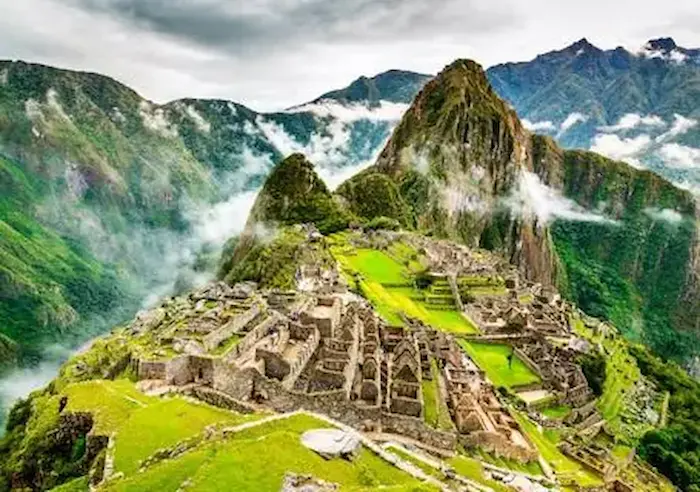
Choosing the right trekking route to Machu Picchu is crucial for an unforgettable experience at this iconic archaeological site. When travelers compare inca trail vs salkantay vs lares, they are not just choosing a hike, but defining the type of adventure they want to live in Peru.
The three most popular routes—Lares Trek, Salkantay Trek, and Inca Trail—offer completely different experiences. While one focuses on cultural immersion, another stands out for its dramatic landscapes, and the other combines history with a classic route to Machu Picchu. Understanding these differences is key to making the right decision.
In this guide, we break down each trek in detail and help you identify which option fits your travel style, fitness level, and expectations.
Choosing the right trekking route to Machu Picchu is crucial for an unforgettable experience at this iconic archaeological site.
The three most popular routes to reach Machu Picchu are Lares Trek, Salkantay Trek, and Inca Trail. Each offers a unique experience, from cultural immersion to adventure in nature.
In this article, we will explore the distinctive features of each route and provide tips for choosing the best option based on individual preferences.
You may also be interested in: 8 myths and legends in the folklore of Peru you should know
Lares Trek
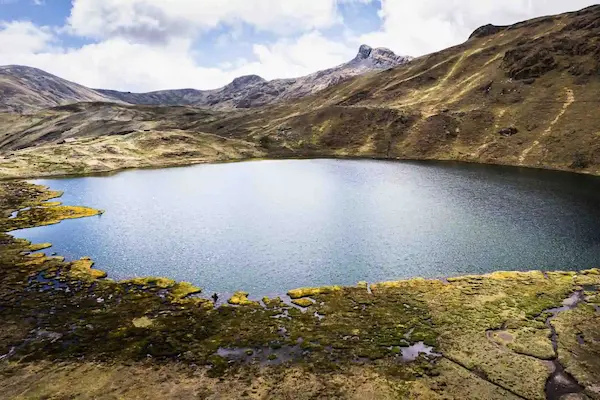
The Lares Trek route is a perfect choice for those seeking an authentic cultural experience.
During this 4-day trek, hikers have the opportunity to explore the picturesque Lares Valley and immerse themselves in the rich culture of local communities.
Visits to the last Inca towns, such as Cancha Cancha, Quishuarani, and Cuncani, where the ancient Quechua language is still spoken, are highlighted.
Interaction with locals is an integral part of this experience, and travelers can learn about the ancestral heritage of llama herding, alpaca breeding, and potato farming. At the end of the journey, hikers can relax in the Lares hot springs, enjoying a well-deserved rest after the trekking.
Salkantay Trek
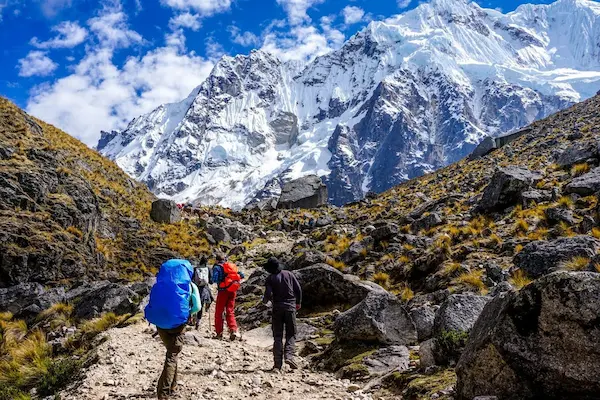
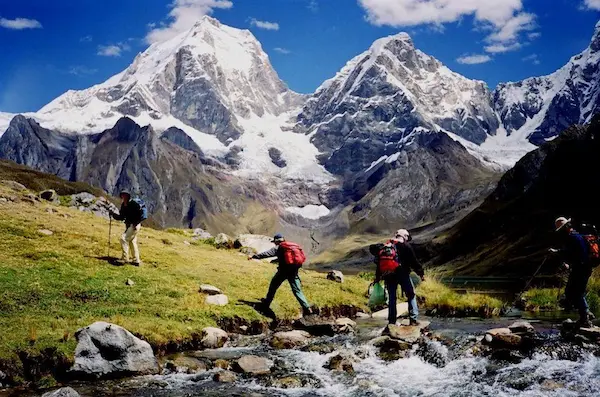
The Salkantay Trek is known for its stunning natural landscapes and exciting challenges. This route, also lasting 4 days, starts in Cusco and takes hikers through the majestic Vilcanota mountains to reach the Humantay Lake and Humantay Mountain.
Highlights include admiring the imposing Salkantay Mountain and exploring the tropical valleys of Santa Teresa, where locals are dedicated to growing coffee and exotic fruits.
Interaction with local communities offers an authentic insight into Peruvian culture, and travelers have the opportunity to taste traditional food and beverages.
Inca Trail
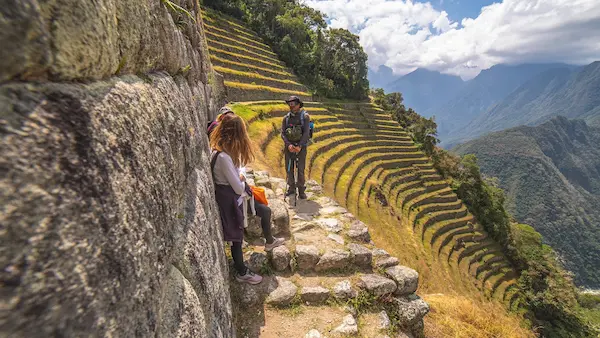
The Classic Inca Trail is the most famous and sought-after route to Machu Picchu. This 4-day trek offers a unique experience, combining history, nature, and adventure.
During the trek, hikers visit several Inca sites, such as Canamarka, Wilcarakay, and Llactapata, before tackling the challenging Dead Woman’s Pass.
The route continues through the stunning landscapes of the rainforest mountains, with stops at additional Inca sites such as Runcurakay, Sayacmarka, Phuyupatamarca, Inti Pata, and Wiñayhuayna.
Due to permit limitations, it is essential to book in advance to secure a spot on this popular route.
Comparison between the routes
Each route offers a unique experience and presents its own advantages and challenges.
Lares Treks are ideal for those seeking a deep cultural immersion, while Salkantay Trek offers stunning landscapes and exciting challenges in nature.
The Classic Inca Trail tours are the preferred choice for history lovers and offers the opportunity to explore a variety of Inca sites along the way. It is important to consider fitness level, personal preferences, and availability when choosing the best route to reach Machu Picchu.
Tips for choosing the best route
- Evaluate fitness level and desired experience.
- Consider personal preferences, such as cultural interaction or nature exploration.
- Plan ahead and book permits for the trekking route.
- Properly prepare with the right equipment and information about the chosen route.
Inca Trail vs. Salkantay vs. Lares: key differences
When comparing the Inca Trail vs. Salkantay vs. Lares, the main differences go beyond just the route—they define the entire travel experience. Each trek varies in terms of scenery, level of difficulty, cultural connection, logistics, and overall vibe, which makes choosing the right one a very personal decision.
One of the most important factors is the type of experience you are looking for. Some travelers prioritize history and iconic landmarks, while others prefer raw nature or authentic cultural encounters with local communities. Understanding this will immediately help narrow down your options.
- Lares Trek: best for cultural immersion and local interaction. This route focuses on connecting with Andean communities, offering a more human and authentic experience rather than iconic ruins. It is also less crowded, making it ideal for travelers seeking something off the beaten path.
- Salkantay Trek: best for adventure, landscapes, and flexibility. This trek stands out for its dramatic scenery and physical challenge. It is perfect for those who want a more intense and diverse hiking experience, without the restrictions of permits.
- Inca Trail: best for history and the classic Machu Picchu experience. This is the only route that combines multiple archaeological sites along the way and ends مباشرة at the Sun Gate, making it the most iconic and historically rich option.
Another key difference is difficulty level. Salkantay is generally the most demanding due to higher altitudes and longer distances. The Inca Trail is moderately challenging, especially because of steep sections like Dead Woman’s Pass. Lares, while still requiring good physical condition, is often considered more flexible and less intense depending on the itinerary.
Availability and booking requirements also play a major role. The Inca Trail requires permits that sell out months in advance, making early planning essential. In contrast, Salkantay and Lares do not have the same restrictions, offering more flexibility for last-minute travelers.
Crowd levels are another important factor. The Inca Trail tends to be the most crowded and regulated, especially during peak season. Lares is the most quiet and authentic, with fewer туристов and more local interaction. Salkantay offers a middle ground, combining popular highlights with less congestion.
Finally, the type of arrival to Machu Picchu is different. The Inca Trail offers a direct and iconic entrance through the Sun Gate, while Salkantay and Lares typically end with a train connection before reaching the citadel.
Choosing the right trek ultimately depends on what you value most—whether it’s history, adventure, culture, or flexibility. Each route offers a unique way to experience the Andes, so there is no wrong choice, only the one that fits your travel style best.
Tips for choosing the best trek
When deciding between these routes, it is important to consider several factors, as each trek offers a completely different experience. Choosing correctly can make the difference between a good trip and an unforgettable one, especially when planning a once-in-a-lifetime journey to Machu Picchu.
Beyond just comparing inca trail vs salkantay vs lares, travelers should think about their expectations, physical condition, and the type of connection they want to have with the destination. Taking the time to evaluate these aspects will help you make a more confident and satisfying decision.
Evaluate your fitness level and how physically demanding you want the trek to be
Each route has a different level of difficulty, and being honest about your physical condition is key. The Salkantay Trek is more demanding due to higher altitudes and longer distances, while the Inca Trail requires good endurance because of steep climbs.
The Lares Trek is often considered more flexible, making it a good option for travelers who prefer a less intense pace. Choosing a trek that matches your fitness level will allow you to enjoy the journey instead of struggling through it.
Decide whether you prefer cultural experiences, natural landscapes, or historical sites
Your personal interests should play a major role in your decision. If you want to connect with local communities and experience authentic Andean culture, Lares is the best option.
If you are more drawn to dramatic mountain scenery and diverse ecosystems, Salkantay offers some of the most впечатляющие landscapes in the region. On the other hand, if your priority is history and archaeological sites, the Inca Trail provides a unique combination of both.
Book in advance if you are considering the Inca Trail
The Inca Trail has strict permit limitations, and spaces sell out quickly—especially during the dry season. Booking several months in advance is essential to secure your spot.
Planning ahead also gives you more options in terms of dates and tour operators, ensuring a smoother and more organized experience overall.
Consider travel season and weather conditions
Weather plays a huge role in your trekking experience. The dry season (May to September) offers the best conditions, with clear skies and safer trails.
During the rainy season, routes can become more challenging due to mud and reduced visibility. Choosing the right time of year will directly impact your comfort and safety.
Choose a reliable operator to ensure safety and a better overall experience
Working with a professional and experienced tour operator is essential, especially for multi-day treks in remote areas. A good operator will provide proper equipment, knowledgeable guides, and well-organized logistics.
This not only improves safety but also enhances the overall experience, allowing you to focus on enjoying the journey rather than worrying about details.
Frequently asked questions (FAQs)
When comparing inca trail vs salkantay vs lares, it’s normal to have several questions before making a decision. From difficulty level and timing to logistics and overall experience, understanding these key details can help you choose the trek that best fits your travel style. Below, we answer the most common questions travelers have when planning their journey to Machu Picchu.
Which trek is the most difficult?
Salkantay Trek is generally considered the most physically demanding due to its higher altitudes, longer distances, and more varied terrain. It includes challenging ascents and exposure to colder conditions, especially near the Salkantay Pass.
The Inca Trail is also moderately difficult, mainly due to steep sections like Dead Woman’s Pass, but it is more structured. Lares Trek tends to be more flexible and less intense, making it a good option for those looking for a more balanced experience.
When is the best time to go?
The best time to do any of these treks is during the dry season, from May to September. During these months, you can expect clear skies, minimal rainfall, and safer trail conditions.
However, this is also peak season, so routes—especially the Inca Trail—can get busy. Traveling in the shoulder months like April or October can offer a good balance between decent weather and fewer crowds.
Do I need a guide?
Yes, hiring a guide is highly recommended and, in the case of the Inca Trail, mandatory. A professional guide not only ensures your safety but also enhances the experience by providing historical context and local insights.
Additionally, guides handle logistics such as meals, camping equipment, and route management, allowing you to focus entirely on enjoying the trek.
How long do the treks take?
Most trekking routes to Machu Picchu take between 4 and 5 days, depending on the itinerary and pace. The classic Inca Trail is typically 4 days, while Salkantay and Lares can vary slightly depending on the route chosen.
Some operators also offer shorter or longer versions, giving travelers flexibility based on time and fitness level.
Which trek is best for cultural experience?
Lares Trek stands out as the best option for cultural immersion. It offers direct interaction with local Andean communities, where travelers can learn about traditional lifestyles, textiles, and agriculture.
This route is ideal for those who want a more meaningful and authentic connection with the region, beyond just landscapes or archaeological sites.
Inca trail vs Salkantay vs Lares – which trek is right for you
In conclusion, the choice of trekking route to Machu Picchu depends on individual preferences and desired experiences.
Whether you prefer an authentic cultural experience, stunning landscapes, or a historical adventure, there is a trekking route to meet all needs.
Whether you choose Lares Trek, Salkantay Trek, or Inca Trail, each offers a unique opportunity to explore the beauty of the Peruvian Andes and immerse yourself in the rich culture of the region.
