
When we think about hiking, it is very common to also think about how to prepare physically for a hike. At first it seems simple just walking and resting. But when you stop to think about it carefully, you realise how many small details come into play along the way. It is not just about covering a distance, but how your body holds up over time and how you manage your energy. That’s why so many people look for ways to prepare physically for a hike and still aren’t sure after reading a dozen articles.
The truth is that you don’t have to be in peak physical condition to enjoy a long hike, but you do have to prepare with some intention. Good preparation does not consist of extreme training or rigid plans, but rather understanding your body a little better and giving it what it needs before you set off. When this is done well, the walk itself feels lighter, more natural and much more enjoyable, rather than becoming something you simply have to endure.
You might also be interested in: 10 Instagrammable places in the jungle of Peru
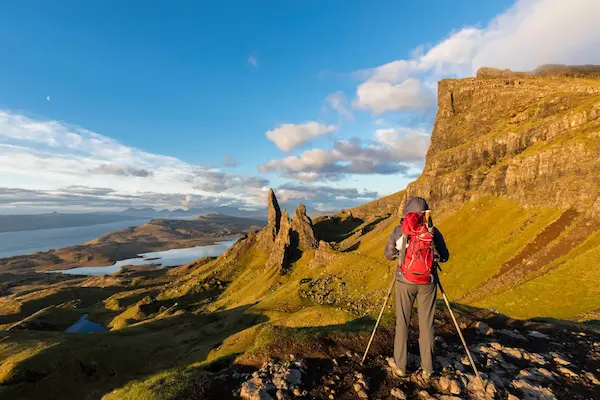
Why good training matters when learning how to prepare for a hike physically
A multi-day hike doesn’t usually feel hard straight away. The first day often goes better than expected, you walk, you settle in, and everything seems manageable. It’s the next morning that changes things. Your legs feel heavier, the pace drops, and you start to notice how your body reacts to doing the same thing again. That’s often when people quietly wonder about how to prepare for a hike physically. The tiredness builds slowly, especially on long routes or uneven ground, and it has a habit of catching people by surprise. Many only really notice it on demanding routes like some inca trail treks, where every hour makes preparation, or the lack of it, more noticeable.
Getting ready for this kind of hike it’s more about getting comfortable with repetition and learning how to keep going without draining yourself. Finding a pace that feels natural and letting your body adjust over time. When that happens, the hike feels less forced. You’re not fighting it anymore, you’re just moving through it.
You might also be interested in: Amazing places to travel to south america
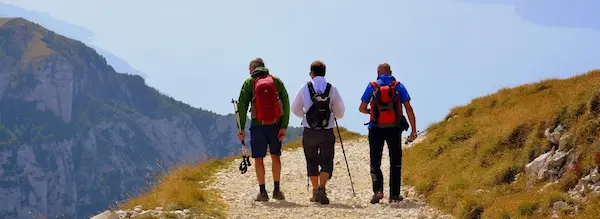
Real physical benefits of learning how to prepare for a hike physically
Good physical preparation doesn’t just reduce fatigue. It also reinforces why understanding how to prepare for a hike physically matters in the long term. Proper training:
- Lowers the risk of overuse injuries.
- Helps you maintain a more efficient posture for long periods.
- Makes your breathing a support rather than a struggle.
- Improves overnight recovery.
- Gives your multi-day hike a pleasant rhythm instead of an exhausting one.
Many people underestimate how much walking technique matters. A small misalignment in your step, an unbalanced backpack or poor weight distribution can take its toll on a long route. Knowing how to prepare for a hike physically helps correct these issues before they become a problem.
How to structure training
Before thinking about extreme distances, it’s wiser to focus on progression. Anyone wondering how to prepare for a hike physically should prioritise gradual adaptation. To avoid feeling overwhelmed during a multi-day hike, it’s ideal to train for at least 6 to 8 weeks beforehand.
Week 1 to 3
- Gentle walks of 45–60 minutes.
- Short but frequent uphill sections.
- Light backpack to condition the body.
Week 4 to 6
- Longer walks of 2–3 hours.
- Uneven terrain.
- A slightly heavier backpack.
Week 7 and 8
- Simulated multi-day hike: two consecutive days of long walks.
- Adjusting rhythm, technique and breathing.
This type of planning is a core part of how to prepare for a hike physically, allowing your body to adapt gradually, especially tendons and joints.
You might also be interested in: The best time to travel to Cusco: Weather, seasons, and top experiences

Essential exercises to support how to prepare for a hike physically
You don’t need a gym to strengthen your body. You can train in a small space and without equipment, prioritising functionality over intensity, which aligns perfectly with a realistic approach to how to prepare for a hike physically.
Squats and lunges
A classic in endurance hiking training because they strengthen glutes, quadriceps and hips, muscles that take most of the load during a multi-day hike.
Bodyweight strength
Planks, leg raises and glute bridges greatly support hiking physical preparation, reinforcing core stability.
Walks with a backpack
These simulate real conditions, improve endurance for long hikes and get your shoulders used to carrying weight.
Repeated uphill sections
These can be done on a hill or a long staircase. They’re excellent for trekking training, especially when building progressive adaptation.
How to improve breathing during a multi-day hike
Good breathing can transform your entire hike. When your breathing complements your pace, tiredness decreases significantly, something often overlooked when learning how to prepare for a hike physically.
A simple cadence helps: inhale for two steps, exhale for two. On steep climbs, avoid forcing the pace; let your breathing dictate it. Nasal breathing whenever possible improves oxygen intake and prevents early fatigue.
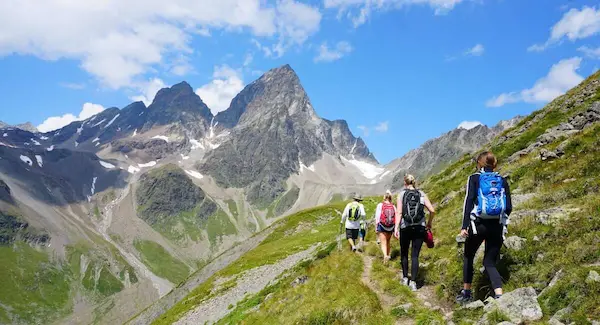
Common mistakes when learning how to prepare for a hike physically
Even people who research how to prepare for a hike physically often fall into the same traps:
- Training only at weekends.
- Wearing new boots on the route.
- Not adjusting the backpack properly.
Many guides working with a peru tour operator mention that these mistakes appear even among hikers with prior experience.
How to choose the right footwear
Footwear shouldn’t be too stiff or too soft. It needs stability, good grip and a comfortable fit.
Ventilation is equally important, especially during a multi-day hike where swollen or damp feet can quickly become uncomfortable.
Ideally, wear your boots for several weeks before the trip, on both short training walks and long practice hikes. This prevents unpleasant surprises on the actual route.
How to prepare your nutrition before a multi-day hike
Your energy doesn’t come only from training; it comes from what you eat.
For a multi-day hike, the best approach is:
- Complex carbohydrates
- Healthy fats
- Light protein
- Constant hydration, not just when you feel thirsty
On traditional routes such as the inca trail 4 days, balanced nutrition is one of the most repeated recommendations because it helps maintain stable energy throughout each day.
How to distribute backpack weight
A poorly organised backpack can ruin any hike. Place the heaviest items close to your back and centred. Lighter items should go higher and towards the outside.
Practising with your adjusted backpack improves hiking physical preparation and strengthens your back muscles, which becomes very noticeable after the second or third day.
How to prepare your joints
This is often overlooked. Joints, especially knees and ankles, must be strengthened, not just the muscles.
Recommended Exercises
- Lateral walks
- Ankle mobility with elastic bands
- Controlled descents on uneven terrain
These also improve your endurance for long hikes, as they reduce fatigue during technical downhill sections.
You might also be interested in: Kenko Adventures: your trusted partner for tours in Peru
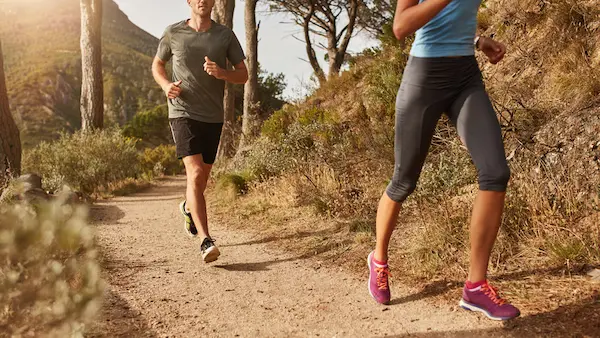
Additional tips to physically prepare for a multi-day hike
You asked for more direct physical-preparation content, so here are extra tips:
Sleep well during training
Good sleep regulates hormones that affect performance. Without proper rest, your trekking training becomes less effective.
Pre-hike hydration
Don’t wait until the day of your hike to hydrate. Start at least a week in advance.
Vary your training routes
The body adapts quickly. Changing terrain improves hiking physical preparation by activating different muscle groups.
Train your balance
Uneven terrain demands stability. Training it helps prevent sprains during a multi-day hike.
Conclusion for how to prepare for a hike physically
Learning how to prepare for a hike physically isn’t complicated, but it does require intention. It’s not about performance, but consistency. With gradual progression, basic exercises, proper hydration, an adjusted backpack and solid technique, the journey becomes far more enjoyable.
On a multi-day hike, you don’t win by being fast; you progress by being steady. That steadiness comes from a body trained with patience and balance, allowing you to enjoy every part of the route without fatigue taking over your enthusiasm.
