
If you’re seeking breathtaking landscapes steeped in history, travel to Peru is among your finest options. From Machu Picchu to the coastal beaches and the awe inspiring Amazon, prepare yourself for a remarkable journey through a country shaped by diverse cultures, landscapes and traditions.
Peru brings together ancient heritage, varied landscapes and a rich culinary tradition in one country. For anyone planning to travel to Peru, these figures offer a quick look at the diversity you can find across its regions.
Ancient cultures shaped Peru’s rich heritage.
A cuisine shaped by many cultural influences.
Coast, Andes and Amazon in one country.
Biodiversity across Peru’s varied ecosystems.
Choosing among the best places to visit in Peru depends on the kind of journey you have in mind, from historic cities and Andean landscapes to the coast, desert and Amazon. Each destination offers a different side of the country.
There are plenty of things to do in Peru, whether you are interested in ancient history, mountain landscapes, wildlife or local traditions. The country offers a mix of experiences across the coast, Andes and Amazon, so a trip can be shaped around different interests and travel styles. From archaeological sites and long-distance treks to regional food and desert scenery, there is plenty to add to a Peru itinerary. If you plan to travel to Peru, these experiences can help you make the most of each destination.
Machu Picchu, the Sacred Valley and the Nazca Lines are among Peru’s most remarkable archaeological sites. They offer a closer look at the cultures and civilisations that shaped the country. These places are a key part of Peru travel.
The Peruvian Amazon offers rainforest walks, boat trips and opportunities to see wildlife in its natural habitat. Iquitos and Puerto Maldonado are popular starting points for an Amazon adventure in Peru.
The Peruvian coast combines beaches, desert landscapes and places such as Paracas and Huacachina. These destinations are easy to include in a wider Peru travel itinerary.
Peruvian cuisine varies from region to region, with dishes such as ceviche, lomo saltado and causa among the best known. Trying local specialities is an important part of travelling to Peru.
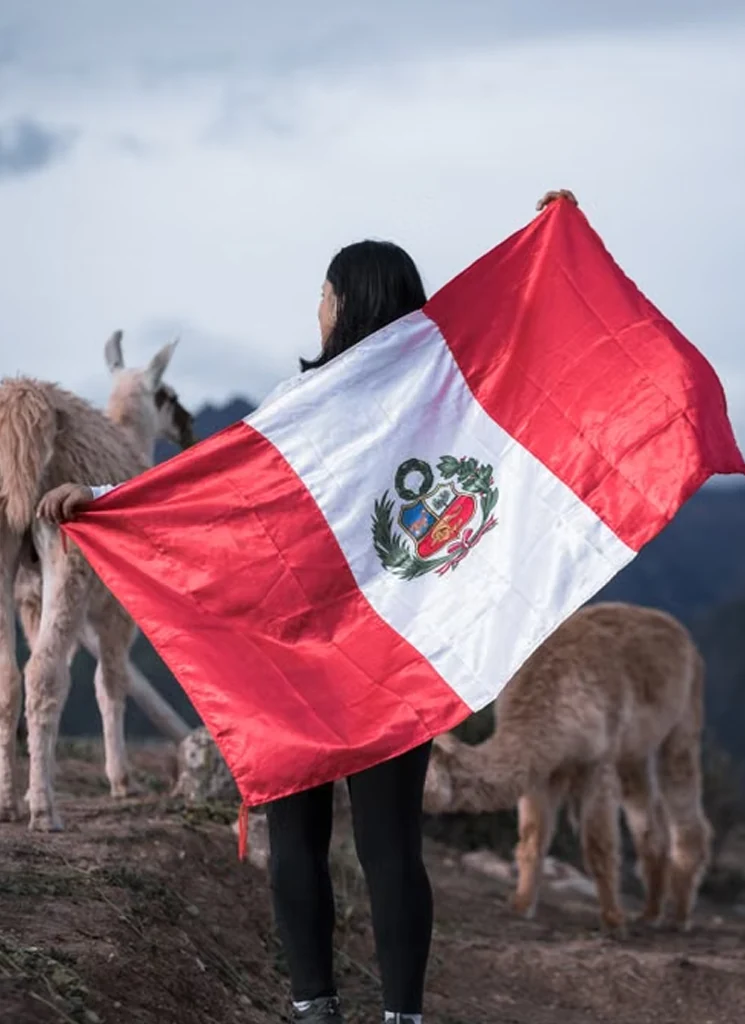
Peruvian food reflects the country’s coastal, Andean and Amazonian regions, with recipes shaped by centuries of cultural influences. For anyone planning to travel to Peru, trying local dishes is a simple way to experience the differences between each part of the country.

Fresh fish, lime, chilli and onion come together in one of Peru’s best known dishes. It is especially popular along the coast and is a must try when you travel to Peru.
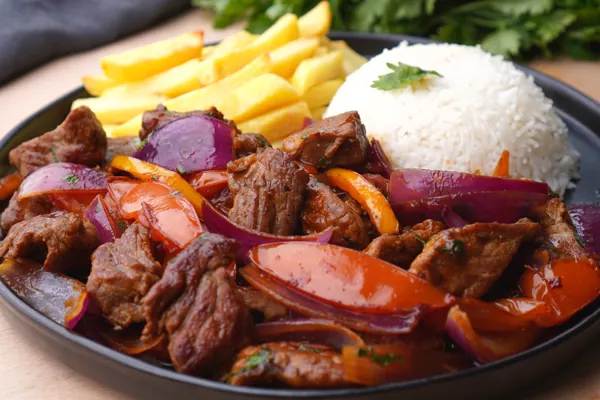
This popular dish combines strips of beef with onion, tomato, chips and rice. Its mix of Peruvian and Chinese influences makes it a distinctive part of Peru travel.
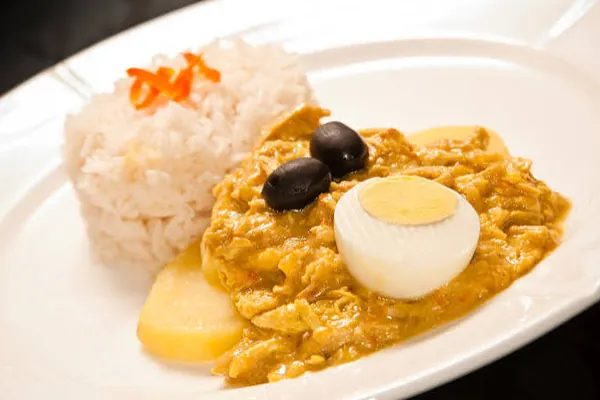
A creamy dish made with shredded chicken, yellow chilli, bread and milk, usually served with rice and potatoes. It is a comforting classic to try while travelling to Peru.
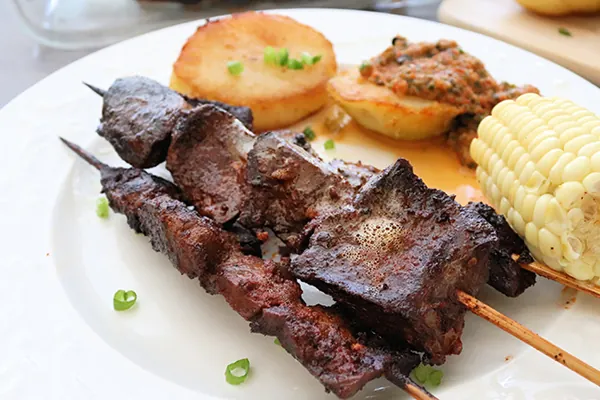
Usually made with marinated beef heart and cooked over charcoal, anticuchos are a popular street food. They are commonly served with potatoes or corn during a trip to Peru.

Causa is made with seasoned yellow potato and layered with fillings such as chicken, tuna or avocado. Its fresh flavours make it a popular choice in different parts of Peru.
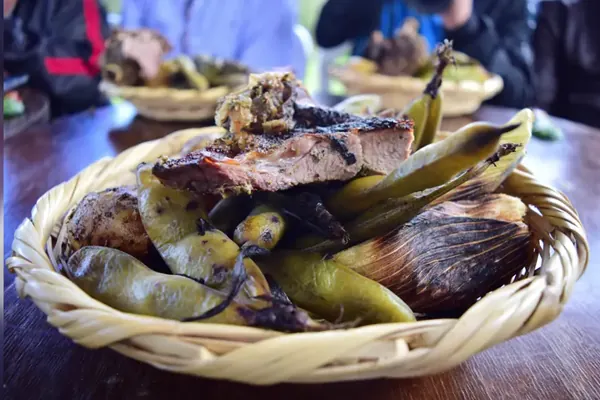
Traditionally cooked underground with hot stones, pachamanca brings together meats, potatoes, corn and herbs. It offers a taste of Andean traditions for visitors who travel to Peru.
Peru’s three natural regions support an extraordinary variety of habitats and wildlife, from high Andean mountains to the Amazon rainforest. As you travel to Peru, the chance to see native species in their natural environments adds another dimension to the journey.
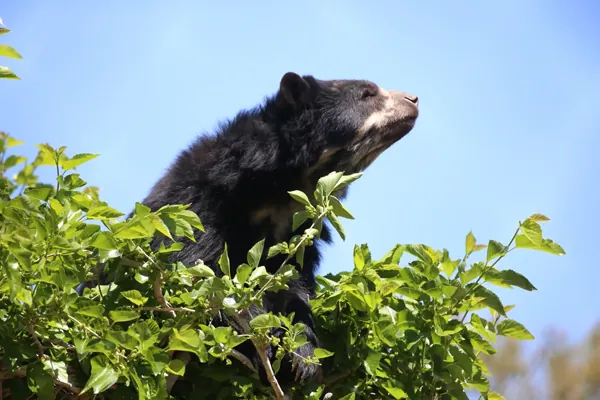
The spectacled bear is the only bear species native to South America and lives mainly in the forests of the Andes. It is an elusive animal, but protected areas provide opportunities to learn about its habitat and conservation.
Seeing one in the wild can be a rare highlight for travellers interested in wildlife and conservation during their Peru trip.
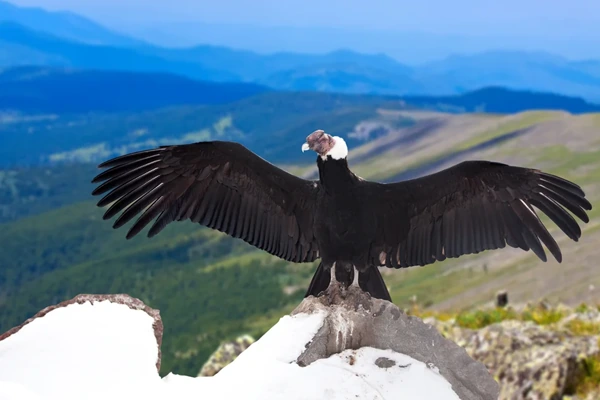
The Andean condor is one of the largest flying birds in the world, with a wingspan that can reach more than three metres. It is strongly associated with the Andes and can often be seen soaring above mountain valleys and cliffs.
Its impressive size and connection with Andean culture make it a memorable sight for travel to Peru.
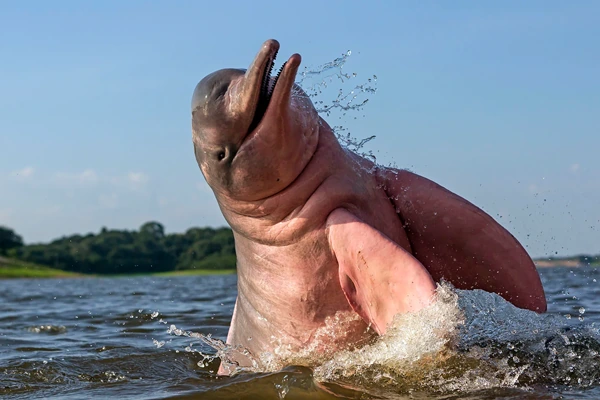
The pink river dolphin lives in the rivers and flooded forests of the Peruvian Amazon. Its distinctive colour can become more noticeable with age, although sightings in the wild are never guaranteed.
Boat excursions around Amazonian waterways offer opportunities to look for these unusual mammals while travelling to Peru.
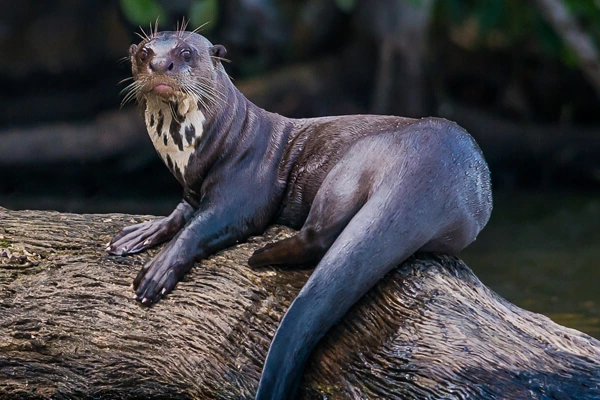
The giant river otter is a highly social species found in parts of the Peruvian Amazon. It lives in family groups around rivers, lakes and oxbow lakes, where it hunts fish and other aquatic animals.
Spotting a group can be a memorable experience for visitors exploring Peru’s Amazon region, particularly in protected areas.
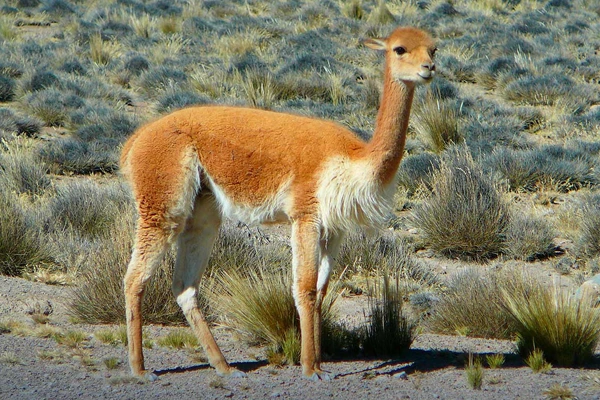
The vicuña is a small wild relative of the llama and alpaca, adapted to life at high altitudes in the Andes. Its fine wool has been valued for centuries, while protected populations can be found across Peru’s highland landscapes.
It is one of the native animals you may encounter while travelling around Peru, particularly in the higher regions of the Andes.
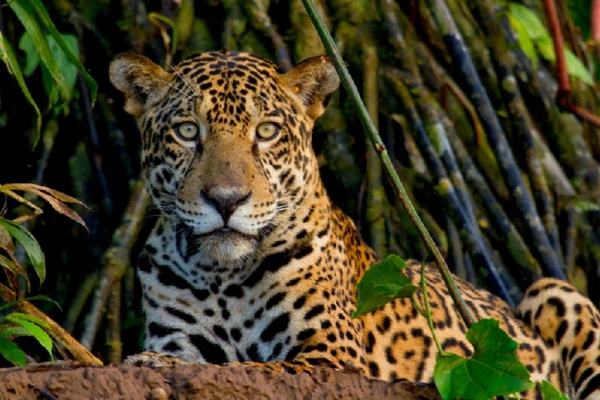
The jaguar is one of the Amazon rainforest’s most powerful predators and one of its hardest animals to spot. It plays an important role in maintaining the balance of the ecosystem.
For nature focused travellers, its presence adds to the appeal of travel to Peru, particularly when visiting the country’s Amazonian reserves.

Getting around Peru can involve buses, domestic flights, trains and boats, depending on the distances and regions you plan to visit. When you travel to Peru, choosing the right transport can make it easier to move between the coast, Andes and Amazon while keeping your itinerary practical.
Buses connect many cities and towns across Peru, making them a useful option for longer journeys. They can also be more affordable than flying, especially for travellers planning a longer Peru trip.
Domestic flights are useful when travelling between destinations that are far apart, such as Lima, Cusco and Iquitos. Choosing to fly can save considerable time when you travel to Peru and want to visit several regions.
Trains are particularly useful for reaching destinations around Cusco and Machu Picchu. Some routes also offer views of the Andes and surrounding valleys, making train travel an enjoyable part of travelling around Peru.
Boats are an important form of transport in the Amazon, where many communities can only be reached by river. If you travel to Peru to visit the rainforest, river transport may become an essential part of your journey.
The best time to travel to Peru depends largely on the destinations you want to include in your itinerary. The country has three distinct natural regions, and their weather can vary considerably throughout the year, particularly between the coast, Andes and Amazon.
If you plan to travel to Peru for hiking, sightseeing or visiting several regions, it is worth checking the conditions for each destination before booking. Understanding the seasons can help you choose dates that suit your plans and make your Peru travel experience more comfortable.
From December to February, coastal temperatures can reach around 25°C to 30°C, while the Andes have more rainfall.
From June to August, coastal areas are cooler, while the Andes can range from around 5°C to 20°C depending on altitude.
Temperatures remain mild to warm, although rainfall increases across the Andes and Amazon.
The coast, Andes and Amazon vary widely, with temperatures depending on altitude and location.
Planning ahead can make it easier to organise transport, choose destinations and decide how much time to spend in each region. If you plan to travel to Peru, your itinerary can be shaped around the places, activities and pace that suit your trip best. A little preparation also helps you make better use of your time once you arrive.
A week can cover one or two main destinations, while 10 to 14 days gives you more time to combine places such as Lima, Cusco and the Sacred Valley. Longer trips allow you to include the Amazon, southern coast or other regions.
A Peru travel itinerary can combine cities, archaeological sites, mountains, desert landscapes and rainforest. Popular routes include Lima and Cusco, while longer journeys can add Ica, Arequipa, Puno or the Amazon..
What you pack will depend on the regions and time of year you plan to visit. Comfortable layers, walking shoes, sun protection and a waterproof jacket are useful for many travellers who travel to Peru.
Accommodation ranges from hotels and guesthouses to lodges in the Amazon and rural stays in the Andes. Staying close to the places you want to visit can make your Peru trip easier and reduce time spent travelling.

A few practical details can make a big difference when you travel to Peru, particularly if it is your first visit. Knowing about safety, entry requirements, currency and languages can help you feel more prepared before your journey begins.
Many travellers visit Peru without major problems, but it is still sensible to take normal precautions, particularly in busy areas and at night. Keep valuables secure and check current local advice before you travel to Peru.
Visa requirements depend on your nationality and the purpose and length of your stay. British travellers should check the latest entry requirements before booking their Peru travel plans.
The official currency is the Peruvian sol (PEN). Cards are widely accepted in cities and tourist areas, although carrying some cash can be useful.
Spanish is the main language, while Quechua and Aymara are also spoken in different parts of the country. English is common in many tourist areas, but knowing a few basic Spanish phrases can be helpful when you travel to Peru.
| Expense | Budget | Mid-range | Higher-end |
|---|---|---|---|
| Accommodation per night | £15–£35 | £40–£90 | £100+ |
| Local meal | £3–£6 | £7–£15 | £20+ |
| Daily food budget | £10–£20 | £25–£45 | £50+ |
| Local transport | £2–£8 | £8–£20 | £25+ |
| Intercity bus | £10–£30 | £30–£60 | £70+ |
| Domestic flight | £35–£90 | £90–£180 | £200+ |
| Guided day tour | £25–£60 | £60–£120 | £150+ |
| Estimated daily budget | £30–£60 | £70–£130 | £150+ |
The cost of a travel to Peru can vary depending on how you organise your trip, the destinations you visit and the type of accommodation you choose. Peru can work for different budgets, with affordable local meals and transport available alongside higher-end hotels, private tours and more exclusive experiences. Your daily spending will also change between cities, tourist destinations and more remote areas.
For a clearer idea of what you might spend, the table below provides approximate prices for common travel expenses. These figures are intended as a general guide for planning a Peru trip, as prices can change depending on the season, availability, exchange rates and how far in advance you book.
If you are planning to travel to Peru, a few practical questions are worth answering before you book your trip. These are some of the most common points travellers consider when organising their itinerary, budget and activities.
Yes. Peru offers a mix of historic cities, archaeological sites, mountain landscapes, beaches, desert and Amazon rainforest. This variety makes it suitable for different types of holidays and travel styles.
Around 10 to 14 days is a good starting point for seeing several major destinations without rushing. A shorter trip can focus on Lima and Cusco, while longer stays allow you to add places such as Ica, Arequipa, Puno or the Amazon.
There is no single best month for the whole country because the climate varies between regions. May to September is generally a good period for the Andes, while the coast and Amazon have different seasonal patterns.
Peru can suit a range of budgets, with affordable accommodation, local food and intercity buses available alongside more expensive hotels, flights and private tours. Your overall spending will depend largely on your itinerary and travel style.
It is useful to check entry requirements, weather conditions, altitude, local transport and recommended health precautions before your trip. Planning these details in advance can make travelling around Peru much easier.
Travel insurance is not always a legal requirement, but it is strongly recommended. A suitable policy can help cover unexpected medical expenses, cancellations, lost belongings and other problems that may arise during your travel to Peru.